Do I Have to Make a Claim if I Am at Fault
No law or policy forces a claim, but whether you should file depends on the damage, the other driver, and what you can pay yourself.
Free to compare
Why this is your call, not a requirement
A claim is a request for your insurer to pay for damage or injury. Nothing obligates you to make that request. If you hit a mailbox or scrape a bumper in a parking lot and you're willing to pay for it yourself, you can just do that and never tell your insurer anything happened.
The decision gets more complicated once another person or their property is involved, because they can file a claim against your policy even if you don't start the process yourself. If the other driver reports the accident or seeks repairs through your insurer, your insurer will open a claim whether you wanted one or not. Your real choice in that situation is usually whether to use your own collision coverage for your car, not whether a claim exists at all.
There's also a difference between reporting an accident and filing a claim for payment. Some policies ask you to report any accident above a certain severity, even if you don't want money from it, so your insurer has a record in case the other party comes back later. Whether that reporting requirement applies, and what happens if you skip it, depends on your policy's wording, so check it rather than assume.
With a child in the car seat now, or on the way, the calculus shifts a little. A claim after an accident involving your child isn't just about the dent in the bumper, it may need to cover a car seat that absorbed an impact, medical checks, or lost income while you're out of work. In those cases, the benefit of filing usually outweighs the cost of a rate increase, because you're not just protecting a bumper, you're protecting your family's recovery.
Will my rates go up if I report but don't file a claim?
Usually not, if nothing is ever paid out. Insurers price future rates based on claims that cost them money, not on calls or reports that go nowhere. If you call to ask a question, or report an accident for the record without requesting payment, that alone typically doesn't move your rate.
But some insurers track every contact, including reports with no payout, and factor that history into renewal pricing even without a formal claim. This varies by insurer and sometimes by state, so ask your agent directly how your company treats a reported-but-unpaid incident before you decide whether to call it in.

Once you know whether this accident is worth filing, compare quotes to see how that choice affects your rate.

Deciding whether to file after a fender bender
If you do
Your insurer opens a claim, inspects the damage, and pays out after your deductible. Your car seat gets replaced if it was in a crash, repairs get handled without your having to pay the whole bill yourself, and the accident goes on your record, which may raise your rate at renewal.
If you don't
You pay for repairs and any car seat replacement yourself, and the accident stays off your claims history. If the damage turns out worse than expected, or the other driver changes their mind and files against you later, you may wish you'd started the claim while details were fresh.
What to weigh before you decide to file
- Cost versus deductible If repairs cost close to or less than your deductible, filing may not get you any money back. Get an estimate first before deciding.
- Car seat replacement Most manufacturers recommend replacing a car seat after any moderate or severe crash, even without visible damage. Check if your policy covers this separately from vehicle repairs.
- Other driver's involvement If the other driver is injured or their property is damaged, they can file against you regardless of your choice. Report the accident to your insurer so you're not caught off guard.
- Reporting rules in your policy Some policies require reporting any accident above a certain severity, even without a payout request. Read your policy or ask your agent what counts as reportable.
- Income and recovery time If you or your child need medical care or you'll miss work, the payout may matter more than a rate increase. Weigh the near-term need against the longer-term cost.
A minor rear-end tap with a baby in the back seat
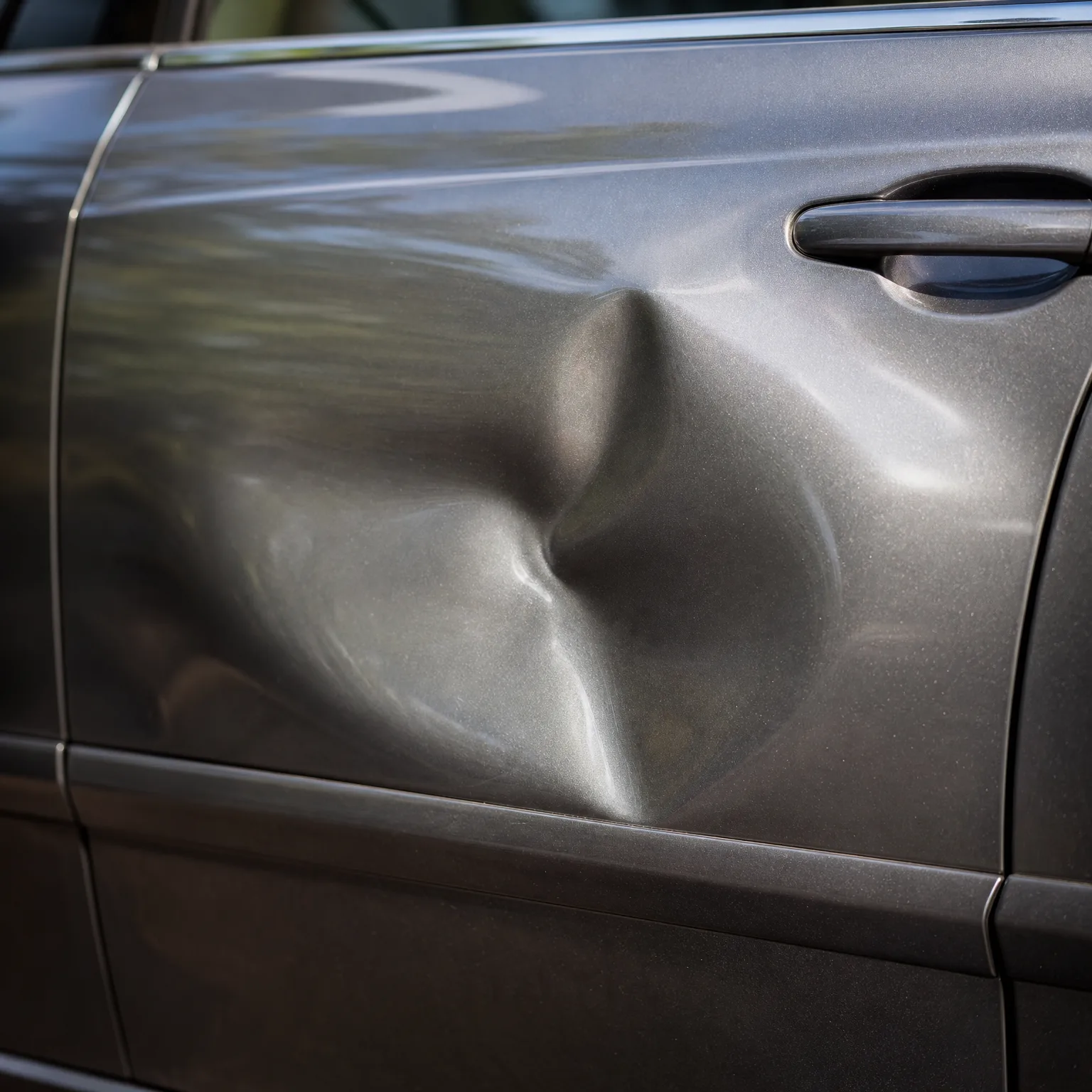
You're stopped at a light with your three-month-old in the back, and the car behind you taps your bumper at low speed. No one is hurt, the damage looks cosmetic, and the other driver apologizes and offers to pay out of pocket. You're tempted to let it go without involving either insurer.
But because your baby was in the car seat during the impact, you call your pediatrician to ask about a checkup and contact your insurer to ask whether car seat replacement is covered after any crash, regardless of fault. Your insurer confirms that if you can show the seat was in use during an impact, replacement is covered under your policy, and because the other driver was at fault, the claim goes against their policy rather than yours. You end up with a new car seat and a clean bill of health for your baby, and your own rate never moves.