Do You Need an SUV When You Have a Baby
No. A baby doesn't require an SUV, what matters is whether your car fits the car seat correctly and your coverage protects your family.
Free to compare
A sedan that turned out to fit everything the family needed
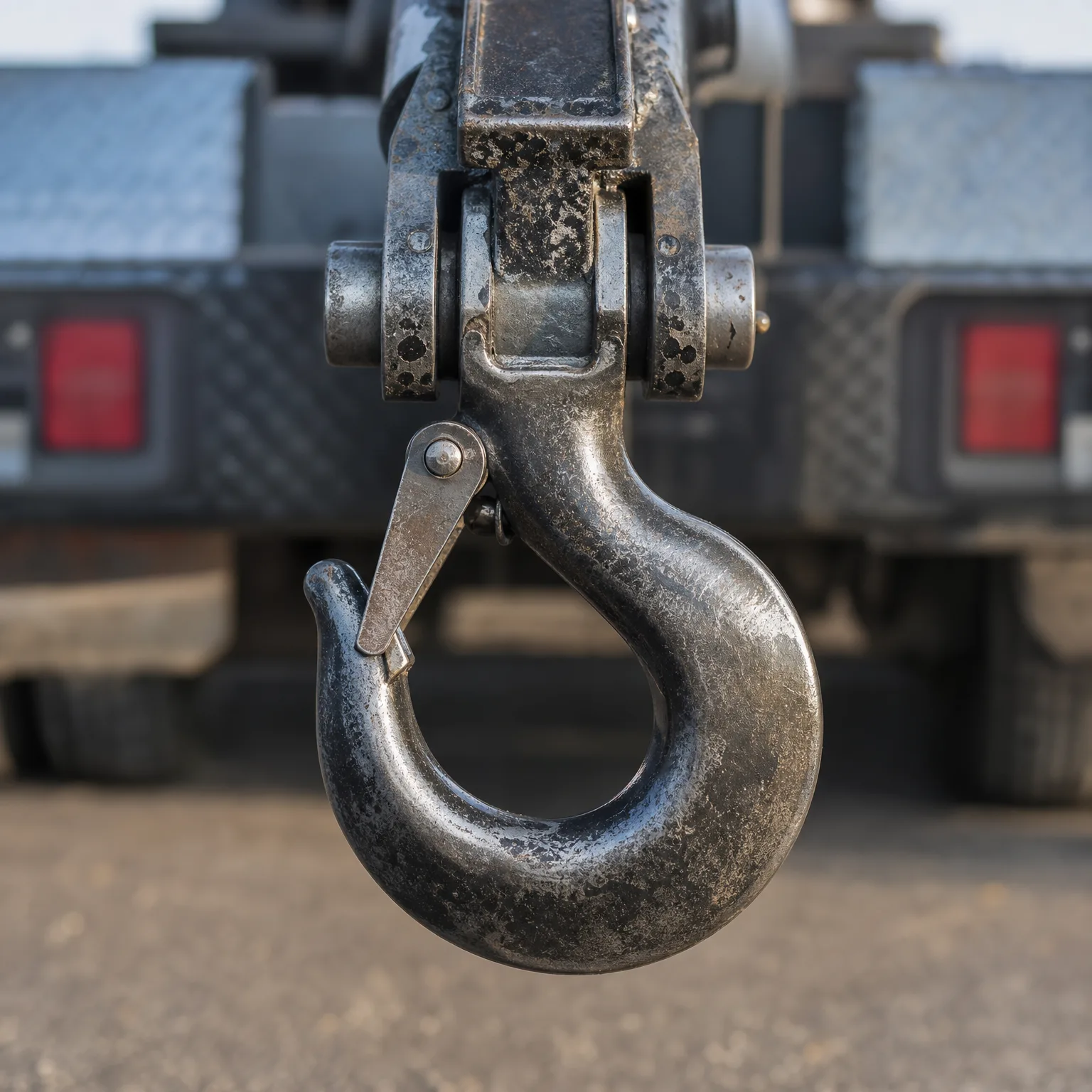
A couple expecting their first baby looked at their four-door sedan and assumed they'd need to trade up before the due date. They test-fit an infant seat in the back seat first, checked the owner's manual for the lower anchor locations, and found it installed tight with almost no movement. The trunk held the stroller they picked, so the bigger purchase they'd been dreading turned out to be unnecessary.
Instead of financing a new vehicle on one income during leave, they called their insurer to ask about adding the baby to their health coverage and reviewed their auto policy's liability limits and medical payments coverage. They raised liability since they now had more to protect, and added roadside assistance for peace of mind on longer drives to visit family. The sedan stayed, the budget stayed intact, and the coverage did the part the vehicle size didn't need to.
The short version
You don't need an SUV for a baby. Any car with a back seat that fits your specific car seat model works, so check that fit before buying anything. Instead of upgrading the vehicle, upgrade your coverage, review liability limits, medical payments, and whether your policy replaces a car seat after an accident.
Will my car seat even fit in my current car?
Usually yes, but you have to check it yourself rather than assume. Car seat fit depends on the seat model, the vehicle's back seat dimensions, and the anchor system, not on whether the vehicle is an SUV, sedan, or hatchback. Many compact cars fit infant seats fine, and some SUVs have cramped back seats that make three-across seating or two car seats surprisingly hard.
The only real test is trying the seat in your car, or checking fit guides that match your exact seat and vehicle models. Fire departments and some baby stores will also do an installation check in person. If it doesn't fit well, the fix is sometimes a different car seat, not a different car. Save the vehicle purchase decision for after you've actually confirmed what doesn't fit, since the assumption that you need more space is often wrong.
Compare quotes based on the coverage your family actually needs now, not on a vehicle upgrade you may not need.

What actually matters once there's a baby in the car
- Car seat fit over car size Confirm your car seat installs tightly in your current back seat before assuming you need a bigger vehicle. Many sedans and smaller cars fit infant and convertible seats just fine.
- Liability limits With a dependent now relying on your income, review whether your liability coverage would protect your family's finances after a serious accident. Raise it if your current limit feels thin.
- Medical payments coverage This can help cover medical costs for you and your baby after an accident regardless of fault. Check if your policy includes it and at what level.
- Car seat replacement Many policies help replace a car seat that was in the vehicle during an accident, even without visible damage. Ask your insurer whether this is automatic or something you must request.
- Reporting life changes Adding a driver, changing your commute, or dropping to one income can all affect your policy. Call and update your insurer rather than assuming nothing changed.
Why vehicle size isn't the safety lever you think it is
Car seats are engineered to work across a wide range of vehicles, not just large ones. The federal safety standards that govern car seats assume installation in compact cars as much as SUVs, and crash protection for infants comes mostly from the seat itself, how it's installed, and whether it's rear-facing at the right age, not from the size of the vehicle around it.
What actually changes with a new baby is risk exposure and financial responsibility, not the physics of a crash. You now have a passenger who depends entirely on your coverage if something goes wrong, which is why liability and medical payments coverage deserve a second look. These coverages vary by state in what's required and by insurer in what's offered, so check your specific policy and state minimums rather than assuming they're the same everywhere.
There are real cases where a bigger vehicle makes sense, more kids than seats can fit three-across, a long commute where visibility and cargo space matter, or a growing family that outpaces any sedan's trunk. But those are reasons tied to your specific life, not a rule that applies to every new parent. The baby itself doesn't change what vehicle class keeps you safest.
Insurance also doesn't price SUVs as inherently safer. Some insurers rate certain SUVs higher for premiums due to repair costs or rollover risk, which can make the vehicle you assumed was the safe choice also the more expensive one to insure. Check actual quotes before deciding, since the assumption rarely holds up against the numbers.
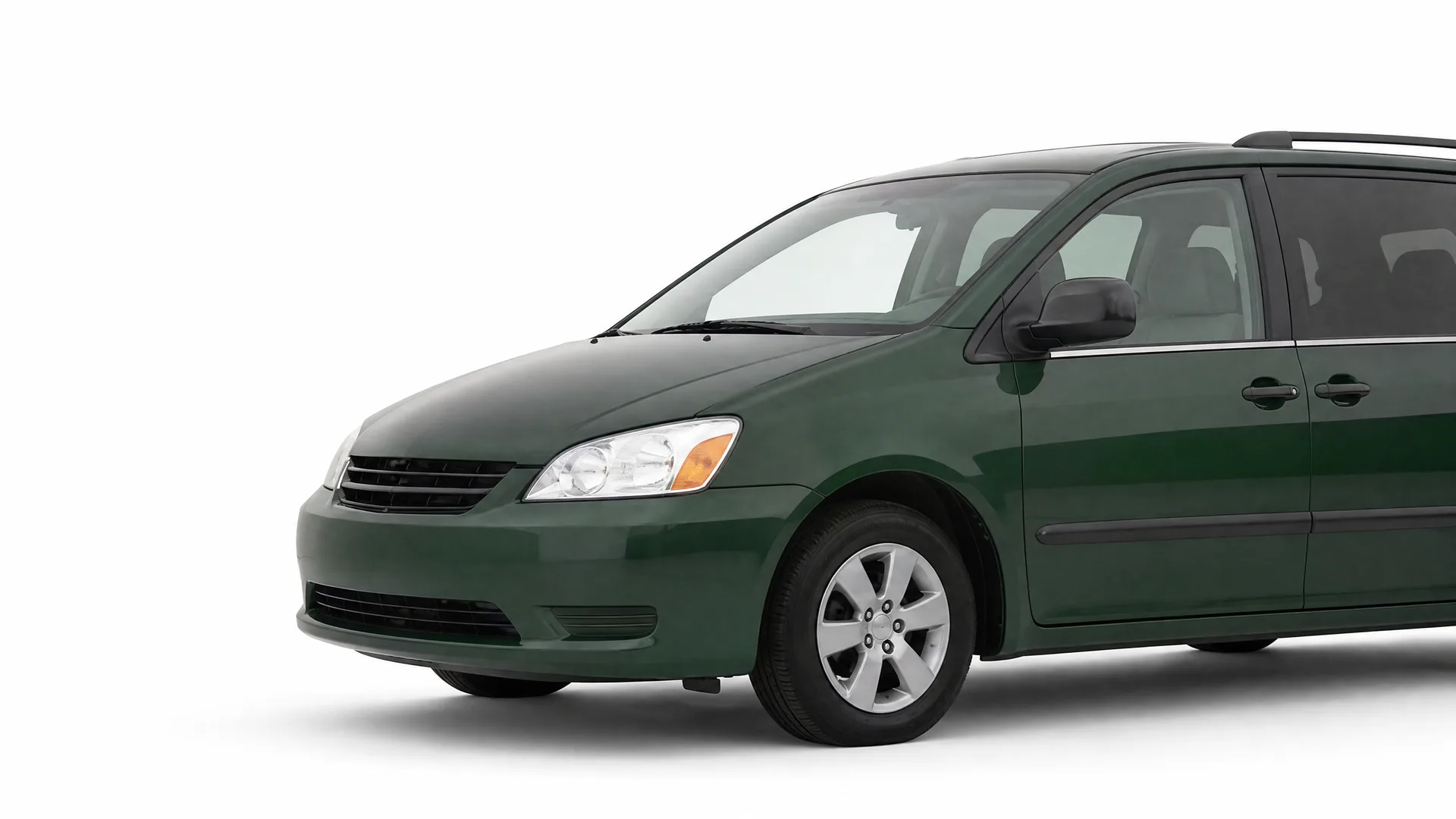
The size of your car was never what protected your baby, the coverage and car seat installation were.