Does Car Insurance Cover Items in a Car
Your car insurance almost never pays for personal items like car seats, strollers, or bags left inside the car.
Free to compare
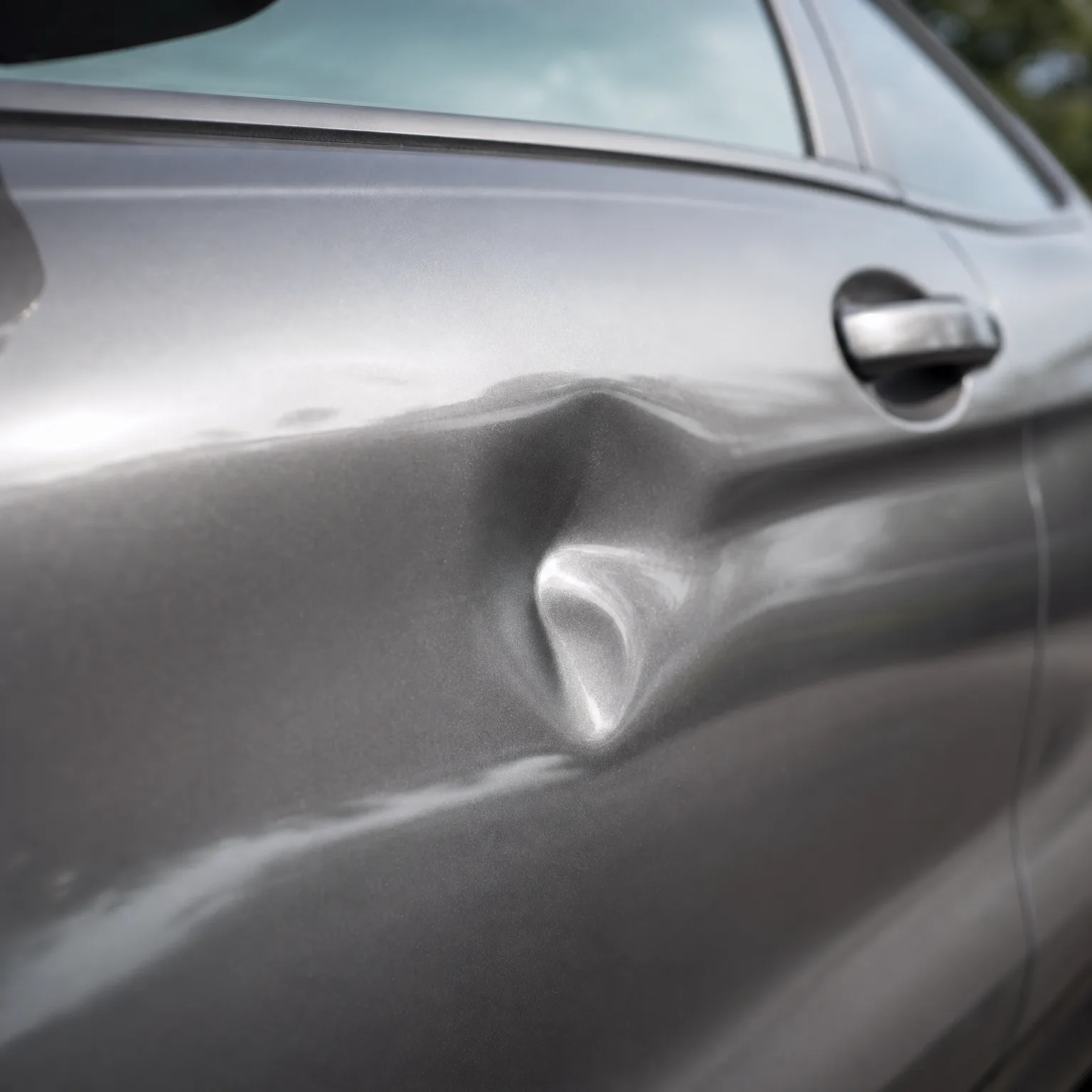
A break-in during a sleep-deprived first month
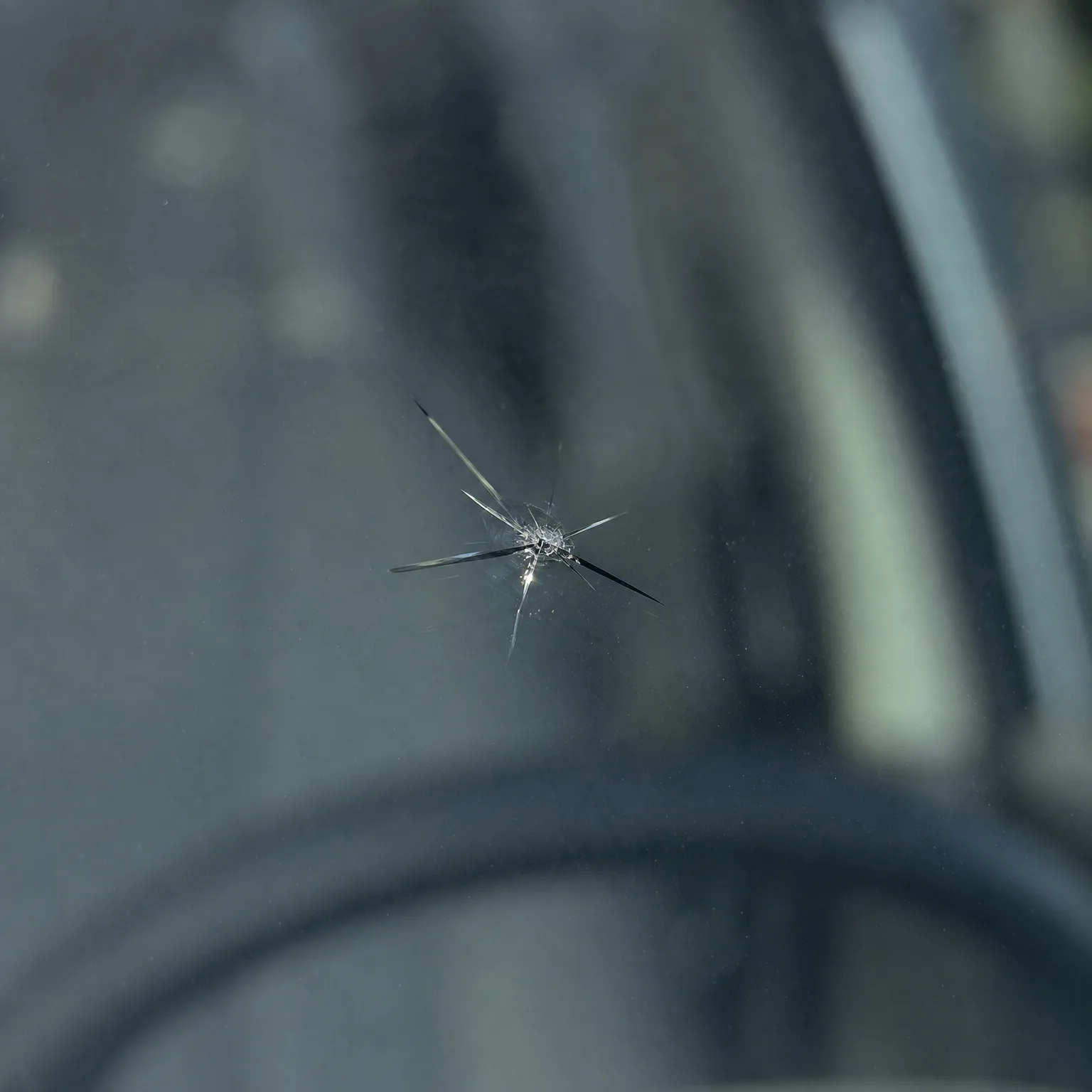
You park outside the pediatrician's office for a quick appointment and come back to a smashed window. The diaper bag, a new stroller, and a bag of just-bought baby gear are gone. Your first instinct is to call your car insurer, since the damage happened to your car and the loss happened in it.
Your insurer pays to fix the window under your comprehensive coverage, since that's damage to the vehicle itself. But the stroller and everything else are gone for good as far as that policy is concerned. You end up filing a separate claim with your homeowners or renters insurer, which covers personal property even when it's stolen from your car. You also learn, a little late, that your car seat needs to be replaced after any crash involving impact, not just theft, regardless of whether it looks damaged.
What happens to my car seat after an accident, even a minor one?
Most car seat manufacturers and safety guidelines say to replace the seat after any moderate or severe crash, and many say to replace it after any crash at all, even one that looks minor. The materials and structure of a car seat are built to absorb one significant impact, and that protection can't be verified just by looking at it afterward.
Your car insurance may cover this replacement, but only under your auto policy's collision or comprehensive coverage, and only if the accident itself is a covered claim. It won't come from some special "car seat" provision. Check your policy documents or ask your agent directly whether child restraint replacement is included, since this detail varies by insurer and sometimes by state.

Whether you file a claim for stolen items through your car insurer
If you do
You'll likely find out the items aren't covered at all under your auto policy, since that policy insures the vehicle, not what's inside it. You may have wasted time explaining a claim that goes nowhere. You will, however, learn where your coverage boundary actually is, which helps next time.
If you don't
You go straight to your homeowners or renters policy instead, which is built to cover personal belongings wherever they are, including inside a parked car. You get a faster answer and probably a real payout. You just need to know your belongings deductible before you file.
Now that you know what's covered, compare quotes to get auto and property coverage that fits your family.
Why your car policy protects the car, not what's in it
Auto insurance is built around the vehicle as a piece of property and as a source of risk to others. Comprehensive and collision coverage exist to repair or replace the car itself after theft, weather, vandalism, or an accident. The policy was never designed to treat a stroller or a laptop as part of the car, because those items aren't what create liability or get financed through a car loan.
Personal belongings fall under property insurance instead, the kind attached to your home or your rental. That's because the risk to your things exists wherever you keep them, not just in the car, so insurers bundle that protection into the policy that already follows you and your household goods. This is also why the claim process looks different. A stolen stroller becomes a homeowners or renters claim with its own deductible, separate from anything happening on your auto policy.
There are exceptions worth knowing about. Some insurers offer endorsements or riders that extend limited coverage to personal property in a vehicle, and a few auto policies include small built-in allowances for specific items like electronics installed in the car. Whether any of this applies to you depends entirely on your specific policy and your state's rules, so it's worth asking directly rather than assuming either way.
The car seat question sits in its own category, because it's a safety item tied to the accident itself, not a belongings question. That's why its replacement, when covered, comes through your auto policy's collision or comprehensive coverage rather than through property insurance.
Does renters insurance cover things stolen from my car?
Yes, in most cases, renters insurance covers personal belongings stolen from inside your car, since the policy protects your possessions wherever they are, not just inside your home. You'll still owe your deductible, and the payout depends on your coverage limits for personal property. Check your policy's list of covered perils and whether it requires signs of forced entry to pay a theft claim, since some insurers ask for a police report showing a break-in.
Will my car insurance pay for a baby left item damaged by heat or weather?
No, typically not, since damage to personal items inside the car falls outside auto insurance regardless of the cause, including heat, cold, or water damage from a leak. Your homeowners or renters policy is the one to check, and even then, some causes of damage, like gradual heat warping, may not be covered perils. Read your property policy's exclusions list or ask your agent directly about weather-related damage to portable items.
Do I need a separate rider to cover items I keep in my car regularly?
Maybe, if you routinely keep valuable items in the car, like medical equipment, tools, or expensive baby gear, since standard property policies often cap payouts for certain categories of items. A rider or endorsement can raise that limit or add coverage for specific high-value items. Check your current property policy's per-item limits and ask your insurer whether a rider makes sense for what you actually carry day to day.