Does Having an SUV Make Your Insurance Higher
An SUV can cost more or less than your current car to insure, because size alone doesn't set the price, the specific model does.
Free to compare
The vehicle's own record matters more than its shape
Insurers price a vehicle based on what happens to that specific model in the real world. They look at how often it's stolen, how expensive it is to repair, how often it's in claims, and how much damage it tends to do to other cars and people in a crash. An SUV that's heavy, has a strong safety record, and isn't a target for theft can land in a similar price range as a sedan, or even lower.
Where SUVs sometimes do cost more is liability coverage, the part of your policy that pays for damage you cause to others. A heavier vehicle causes more damage in a crash, and repair costs or injury costs can run higher, so the insurer prices for that risk. This shows up more with larger, truck-based SUVs than with smaller crossover-style ones built on car frames.
The opposite can also be true. Some SUVs are popular family vehicles with lower theft rates and drivers who file fewer claims, and insurers price that in too. A three-row SUV bought by a cautious parent can end up cheaper to insure than a sportier sedan or a smaller car that's frequently stolen or driven aggressively.
How much any of this matters also depends on your state and your insurer. Some states weigh vehicle weight and repair cost more heavily than others, and insurers don't all use the same formula. If you're comparing a specific SUV to your current car, ask for a quote on that exact model and trim before you assume it will cost more or less.
Which SUVs actually cost less to insure than a sedan?
Generally, smaller and midsize SUVs built on car platforms, with strong safety ratings and low theft rates, tend to insure closer to a sedan than people expect. Family-oriented models with a track record of cautious drivers often do well too, since insurers price based on who actually drives and files claims for that vehicle, not just its category.
Larger, heavier SUVs, especially ones built on truck frames, are more likely to cost more, mainly on the liability side, because they can cause more damage in a crash. The only way to know for a specific vehicle is to get a quote on that exact model and trim, since even two SUVs that look similar from the outside can price very differently.
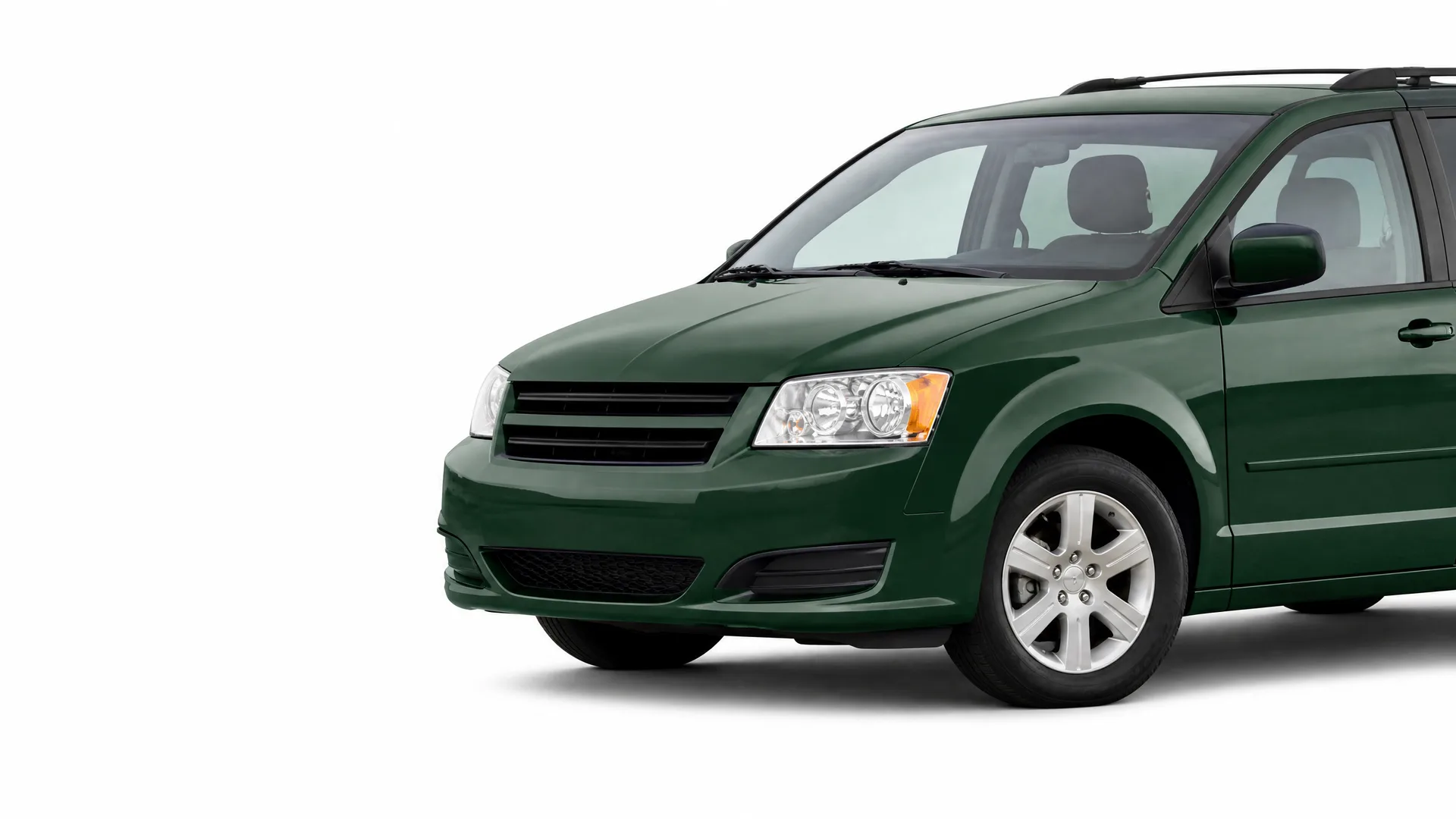
Price the exact SUV, not the category. The model decides the cost, not the body style.
Once you know what's actually driving the price on this SUV, compare quotes to see what it costs you specifically.
Trading a sedan for a three-row SUV before the baby arrives
A couple expecting their first child decided to trade their sedan for a midsize three-row SUV, wanting more room for a car seat and future gear. Before signing anything, they asked their insurer for a quote on the exact SUV they were considering, rather than assuming it would simply cost more because it was bigger. The quote came back only slightly higher than their sedan, since the model they picked had a strong safety record and wasn't commonly stolen.
They also asked about raising their liability limits now that they'd have a child in the car regularly, since the SUV was heavier and could cause more damage in a crash. They decided the small increase in premium was worth the added protection, especially during a stretch where they were temporarily down to one income. In the end, the vehicle swap cost less than they'd braced for, and the liability increase gave them more peace of mind than the SUV itself did.
Do I need to raise my liability coverage after buying an SUV?
It's worth considering, because a heavier vehicle can cause more damage in an accident, and your liability coverage is what pays for that. Check your current limits against what it would cost to replace another vehicle or cover a serious injury claim, since those costs have likely grown since you first set your limits. If you're now driving with a child in the car regularly, many parents choose to raise limits at this point regardless of vehicle, so it's a good time to review both decisions together.
Does a bigger car seat or more car seats raise my insurance?
No, car seats themselves aren't something insurers price into your premium. What matters is the vehicle you're driving and who's driving it, not the equipment installed inside it. Separately, check your policy's personal property or equipment coverage, since many policies will replace a car seat that was in the vehicle during a covered accident, which is worth knowing even though it doesn't affect your rate.
Will switching from two incomes to one change what insurance I can afford?
Your premium itself won't change because your household income changes, insurers don't price based on what you earn. What changes is your budget for it, so this is a good time to review your deductible and any optional coverages to see what fits your situation now. Raising your deductible can lower your monthly cost, though it means paying more out of pocket if you do file a claim, so weigh that against how much you have set aside.