Does Insurance Pay for a New Car Seat After an Accident
Yes, most policies will pay to replace a car seat involved in a covered accident, even if it looks fine.
Free to compare
Why insurers treat car seats as a total loss after any real crash
A car seat is built to absorb one crash and then stop working the way it should. The foam and plastic inside can crush or crack in ways you can't see from the outside, so manufacturers and insurers both treat any seat that was in a moderate or serious collision as unsafe to reuse. That's why this isn't treated like a dent or a scratch where an adjuster argues about repair versus replacement. If the seat was installed and the car was in a crash that meets your insurer's threshold, the standard answer is to replace it outright.
Where this gets decided differently is in how the claim is filed. If the other driver caused the accident, their liability coverage for property damage should include your car seat as part of what was damaged, along with the vehicle. If you caused the accident or the other driver isn't insured, it falls to your own collision coverage, which means it's subject to whatever deductible you carry. Some policies also have separate language calling out child safety seats by name, which can affect what proof they ask for.
Minor accidents are the gray area. A low speed parking lot bump or a crash where no airbags deployed and the car seat wasn't occupied might not qualify automatically. Some insurers want to see that the seat was in use during a crash of a certain severity before they'll approve replacement, others are more flexible. This is exactly the kind of detail that varies by insurer and sometimes by state, so it's worth asking directly rather than assuming either way.
What insurers are really guarding against is false claims unrelated to real collisions, not making new parents jump through hoops. If you document the seat was in the car and the crash was real, replacement is usually straightforward.
What if the car seat looks completely fine after the accident?
Looking fine doesn't mean it's fine. The protective foam and plastic shell inside a car seat are designed to deform and absorb force in a crash, and that damage often isn't visible from outside. Manufacturers generally recommend replacing any seat that was installed in a vehicle during a moderate or severe collision, regardless of whether you can see cracks or dents.
Insurers that cover car seat replacement usually go by this same standard, not by visible damage. What they'll ask about is the crash itself, things like whether airbags deployed, how much damage the vehicle had, and whether the seat was installed at the time. If you're unsure whether your accident qualifies, call your insurer before you decide to keep using the seat. It costs nothing to ask, and it protects your child if you're wrong about it being fine.

Whether you file a claim for the car seat
If you do
You report the seat as damaged along with the vehicle claim, submit the receipt or seat model if you have it, and your insurer or the at fault driver's insurer pays to replace it, minus your deductible if it's your own collision coverage. You get a safe seat and documentation if the manufacturer asks.
If you don't
You keep a seat that was in a real crash, which may be structurally compromised in ways you can't see. If something happens in a future accident, the seat may not protect your child the way it's designed to, and you've lost the chance to get it covered under this claim.
Now that you know how your coverage handles a car seat claim, compare quotes to confirm your policy backs you up.
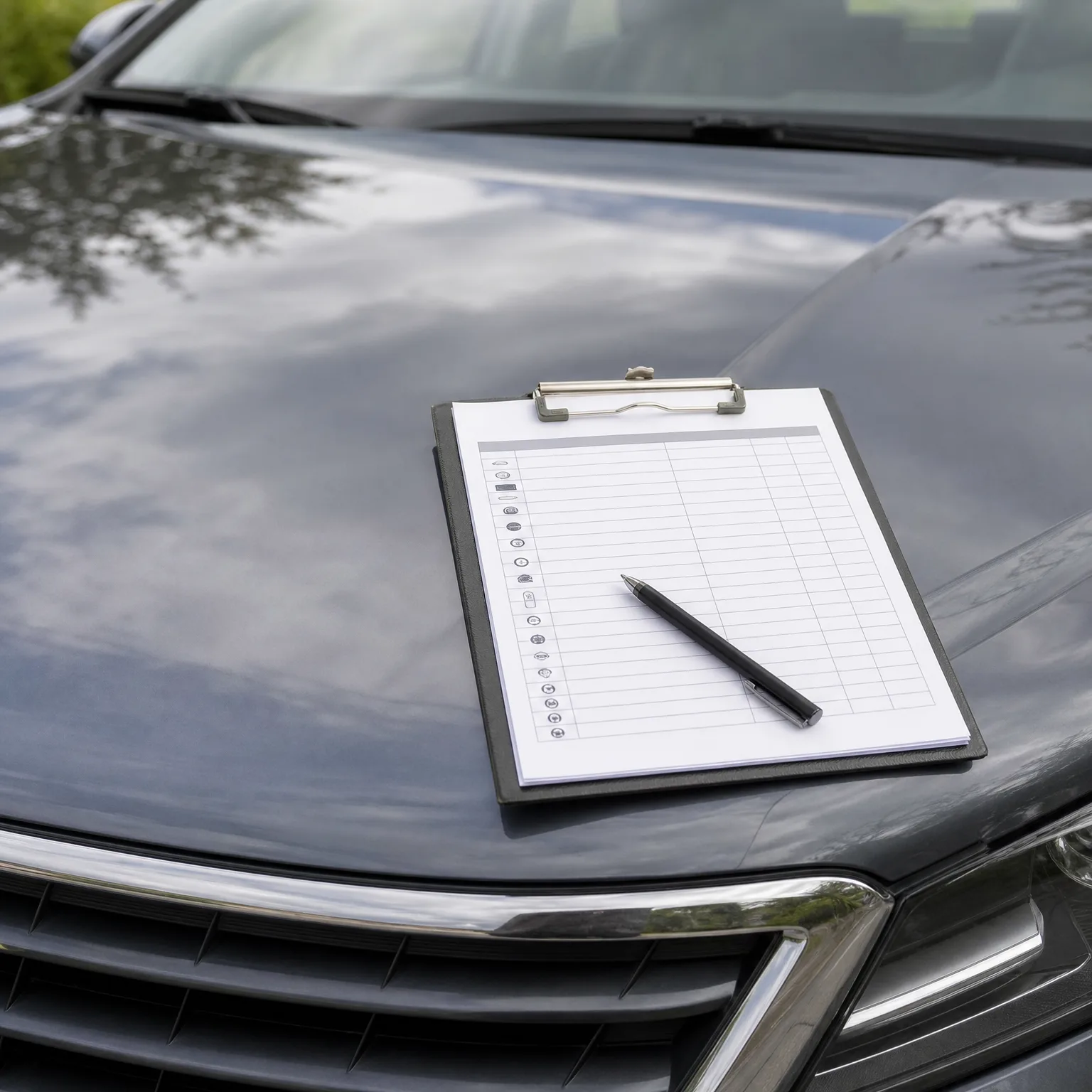
What to do to get your car seat replaced after a crash
- Report it with the claim Mention the car seat when you file, don't wait and bring it up later. Adjusters expect it as part of the damage report, not as a separate request.
- Save the seat and packaging info Keep the seat itself, note the brand and model, and photograph it in the vehicle if you can. This speeds up replacement and avoids disputes.
- Know whose coverage pays If the other driver is at fault, their liability coverage should cover it. If you're at fault or the other driver is uninsured, it comes from your own collision coverage.
- Ask about your deductible If it falls under your collision coverage, the seat's cost gets added to the claim total, but you still only pay one deductible for the whole claim, not a separate one for the seat.
- Check your policy wording Some policies name child safety seats directly and spell out what proof they need. Call your insurer to ask what qualifies before you assume either way.
A fender bender with the baby in the back seat
A driver rear ended the car at a stoplight. It was a hard enough hit to set off a dashboard warning light and crack the rear bumper, and the baby was in the car seat in the back when it happened. The parent took photos of the car and the seat at the scene, kept the seat instead of throwing it away, and filed a claim against the other driver's insurance since the police report put them at fault.
When the adjuster called, the parent mentioned the car seat directly and gave the model number from a photo they'd taken of the seat's label. The other driver's insurer agreed to cover a replacement seat as part of the property damage claim, since the car was hit hard enough to qualify and the seat was installed and in use at the time. The seat was reimbursed within the same payout as the car repairs, and the parent didn't pay anything out of pocket since the claim went through the other driver's liability coverage rather than their own collision coverage.