How Long Are You Covered by Insurance When You Buy a New Car
Most insurers extend your old coverage to a new car for a short window, but only if you call to confirm it.
Free to compare

What the grace period actually covers, and its limits
- Only matches your old coverage The new car temporarily gets whatever coverage you had on the old one, nothing more. If you only carried liability, your new car has no collision or comprehensive during this window, even if it's sitting in a dealer lot overnight.
- Window length varies by insurer Some give you a few days, others longer, and it depends on your policy and state. Check your declarations page or call your insurer directly instead of assuming a number.
- Replacing versus adding differs Swapping one car for another is usually treated differently than adding a second vehicle to your policy. If this baby means you're going from one car to two, tell your insurer which situation applies.
- You must still notify insurer The grace period is not automatic silence, it is a buffer while you report the change. Call or go online the same day you buy the car so your coverage is correctly documented from the start.
- Lenders may require coverage If you financed the new car, your lender may require comprehensive and collision before you even leave the lot. Confirm this with the dealer or lender so you're not driving uninsured against their requirement.
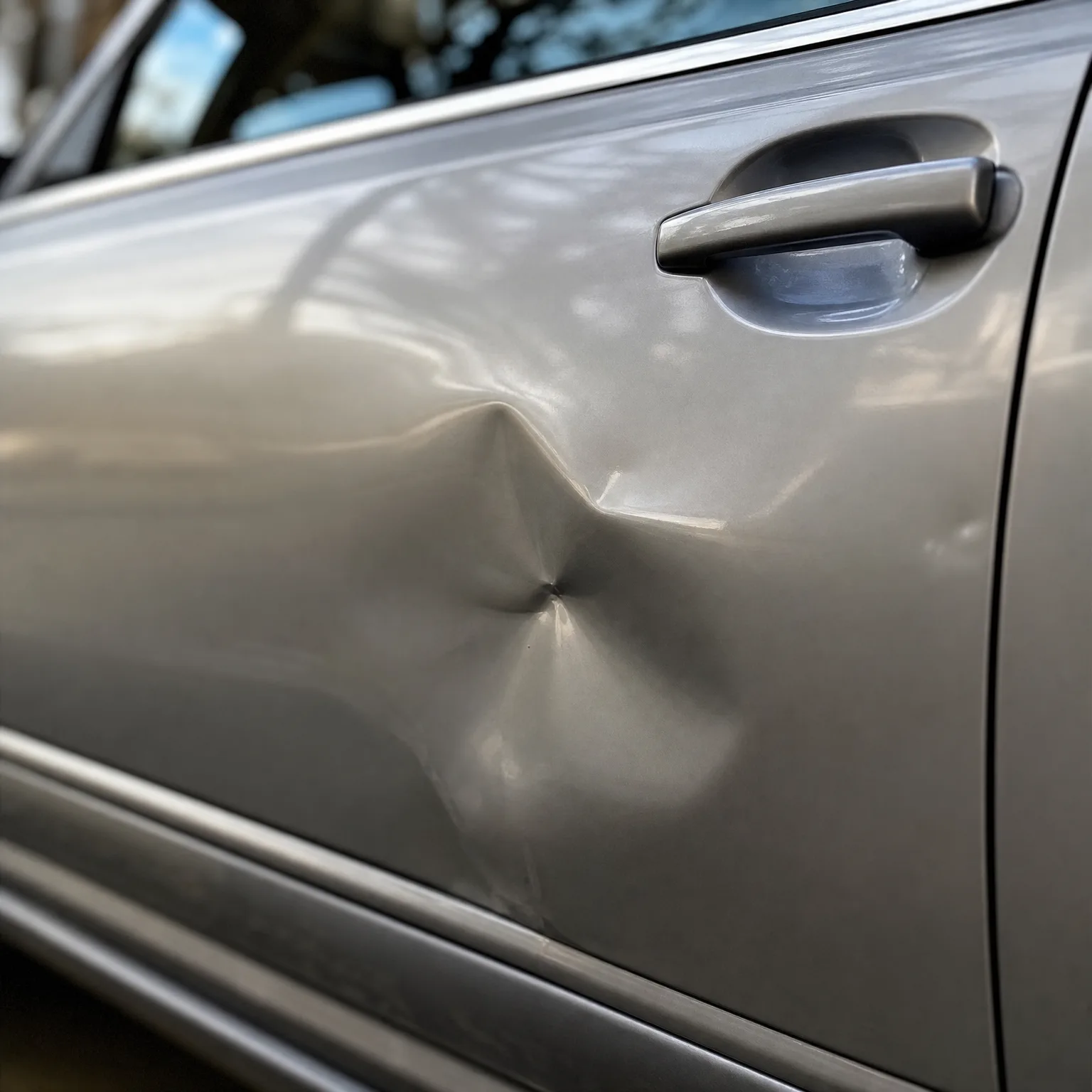
Trading in a sedan for an SUV before the baby arrives
You trade in your two-door sedan for a larger SUV two weeks before your due date, wanting more room for the car seat and stroller. You sign the papers on a Saturday afternoon when your insurer's office is closed, and you remember the grace period, so you drive home without calling anyone yet.
On Monday morning you call your insurer and tell them about the trade, giving them the new VIN and odometer reading. They confirm your policy automatically carried over your old liability and collision coverage during the weekend, but since you're now financing the SUV, the lender requires higher comprehensive and collision limits than your old sedan had. You raise those limits on the call, and your insurer adjusts your premium and sends a new declarations page within the day. Because you called right away instead of waiting, there was no gap and no confusion when you later needed to confirm coverage for the car seat anchors during a dealer inspection.

Now that you know coverage only carries over briefly, compare quotes to protect your new car from day one.

Calling your insurer the day you buy the car
If you do
Your insurer confirms the new VIN, adjusts your coverage to match the new car's value, and sends updated proof of insurance. If you need higher limits because you financed the car, you set them immediately. No gap exists if you're stopped by police or in a minor fender bender on the drive home.
If you don't
You're relying on an unverified assumption about what your policy covers and for how long. If the grace period ends before you call, or if your new car needs coverage your old one didn't carry, you could be driving uninsured without realizing it, especially risky with a car seat and infant in the back.
Why the coverage transfers only briefly, and only partly
Insurers extend temporary coverage to a new car because they assume you intend to insure it the same way you insured your last one, and they want to give you time to make that official without a dangerous gap. This isn't a courtesy with no logic behind it. It protects you from being uninsured the moment you drive off the lot, but it only works as a bridge, not a replacement for updating your policy.
The reason it only matches your old coverage is straightforward. Your insurer has no way to know you want more protection unless you tell them. If you carried minimum liability on an older car because it wasn't worth much, that same minimum liability extends to your new car during the grace period, even though the new car is worth far more and would cost much more to replace or repair.
Where this gets complicated is financing. Lenders almost always require comprehensive and collision coverage as a condition of the loan, and they want proof of it before you drive away, not after a grace period ends. If you finance a new car, the temporary extension from your personal insurer may not satisfy what the lender requires, which is why dealers often ask for updated proof of insurance before finalizing paperwork.
State rules and insurer policies both affect the exact length of this window and what counts as a qualifying replacement versus an addition. Some states regulate minimum grace periods, others leave it to the insurer entirely. Because you're making changes around a new baby, possibly changing cars and income at the same time, treat the grace period as a safety net for timing, not as a plan. Call your insurer directly and ask them to state the exact rule on your policy.
The grace period only buys you time to call, it doesn't buy you the right coverage, so call the same day.