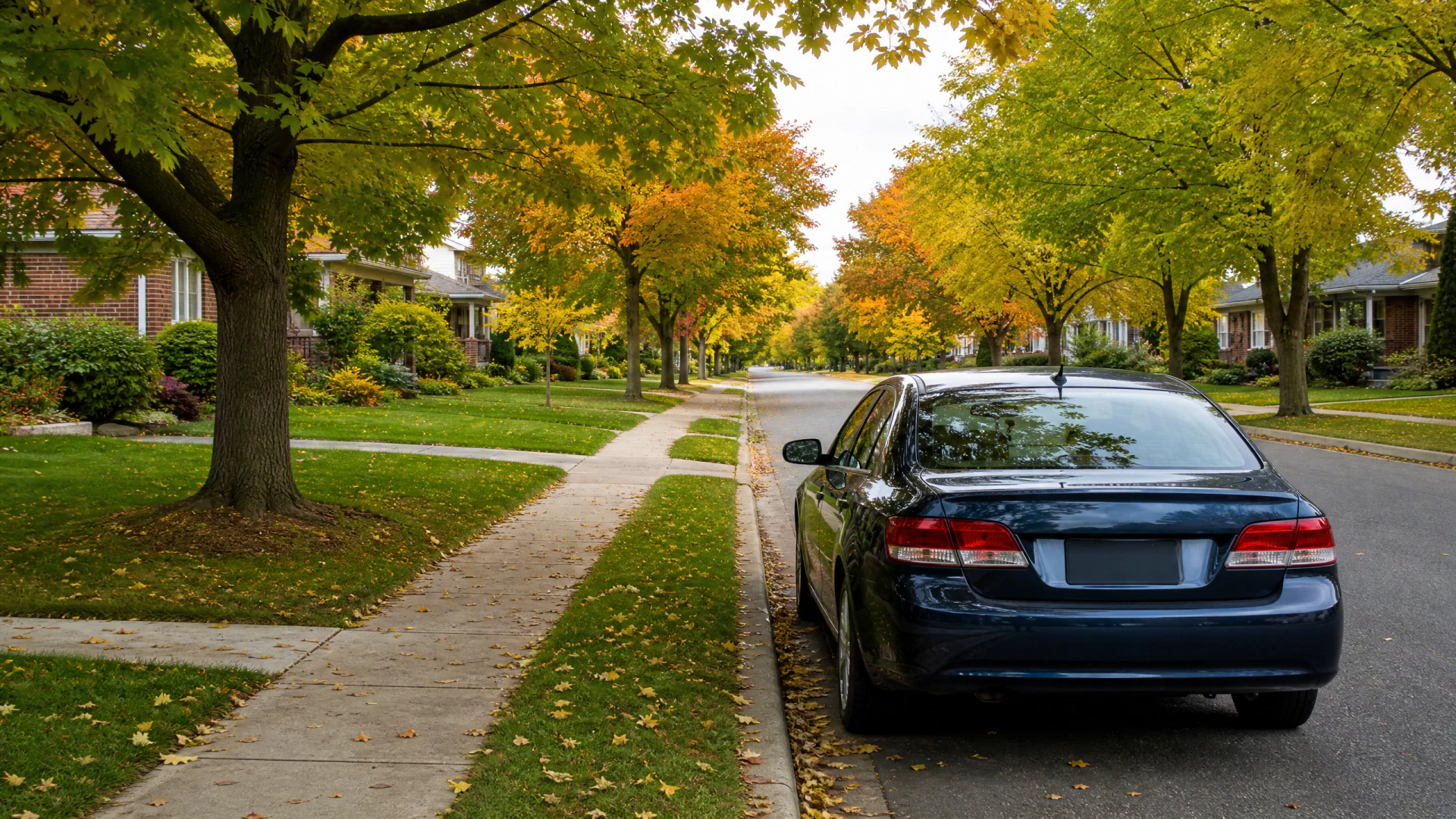
Is Car Insurance Cheaper Every 6 Months
A 6-month policy isn't cheaper by itself, but it can save you money by letting your rate adjust faster as your life changes.
Free to compare
The term length doesn't set the price, your risk does
A 6-month policy and a longer-term policy use the same pricing. The insurer looks at your driving record, where you live, the car, and how you use it, then charges based on that risk. Splitting the same stretch of time into shorter terms doesn't change any of those inputs, so there's no built-in discount for choosing the shorter term.
What changes is how often your rate gets recalculated. With a 6-month term, your premium resets more often than with a longer term. If something in your situation improves, a new baby means a safer car or fewer solo errands, a move to a lower-risk area, a clean driving record stretch, you'll see that reflected sooner. With a longer term, you're locked into the old rate for longer, even if your risk has gone down.
The reverse is also true. If rates in your state rise, or your insurer repriced risk upward, a 6-month policyholder sees that increase sooner and more often. So the shorter term cuts both ways, it speeds up good news and bad news equally.
What your state and insurer allow varies. Some states have insurers that only offer longer terms, others have a mix. Check what your current insurer and a few others offer before assuming you have the choice at all.
A parent recalculating coverage after switching to one income
A father on parental leave traded in his sedan for a larger car with a car seat and dropped to one income for a while. He wondered whether to lock in a longer policy term to avoid dealing with insurance again soon, or take a 6-month term so his rate could adjust if his situation kept changing. He chose the 6-month term mainly because he expected to add his partner back as a listed driver once her leave ended, and he wanted that change to show up in his premium without waiting as long.
By his next renewal, his family had settled into a routine, his partner was commuting again, and the new car had a clean claims history. His renewal reflected the lower-risk setup right away, something a longer term would have delayed. He didn't save money by picking the shorter term itself, he saved money by being able to update his policy sooner. That's the distinction he ended up explaining to another parent at his daycare drop-off.
Ask how fast you want your rate to catch up to your real life, not which term costs less.
Once you know whether a 6-month or longer term fits your situation, compare quotes for both to see which costs less.

Choosing a 6-month term instead of a longer one
If you do
Your rate gets recalculated more often than with a longer term. If your driving record, address, car, or household drivers change, like adding a partner back after leave, you'll see that reflected sooner. You'll renew more often, so compare quotes each time to make sure you're still getting a fair rate.
If you don't
You lock in your rate for a longer stretch, which means fewer renewal dates to track and manage. But if your situation improves, a safer car, a better commute, a cleaner record, you'll wait longer to see that reflected in your premium. You're also locked in longer if rates in your area happen to drop.
Does having a baby lower my car insurance rate?
Not directly, insurers don't ask about children or price around parenthood itself. What can lower your rate are things that often come with it, like driving less, switching to a safer car, or adding a second driver who has a clean record. Check your policy for how it defines your usual mileage and drivers, since those are the fields that actually move your premium. If you haven't updated them since the baby arrived, your rate may not reflect your actual risk yet.
Do I need to add my newborn to my car insurance policy?
No, infants and children aren't listed as drivers or insured individuals on an auto policy, only licensed drivers are. What matters is making sure the car itself is properly insured for carrying a child, including enough liability and medical payments coverage in case of an accident. Check with your insurer about whether your state requires specific coverage for passengers. If you're driving the baby regularly, it's worth reviewing your medical and liability limits rather than adding anyone to the policy.
Will my car seat be replaced by insurance after an accident?
Usually yes, if the accident involved any real impact, most policies cover replacing a car seat as part of the claim even if the seat looks undamaged. Manufacturers generally recommend replacing a car seat after a moderate or severe crash regardless of visible damage. Check your policy's property damage or medical payments section, and tell your adjuster specifically that a car seat was in use. Whether it's covered automatically or needs to be requested varies by insurer, so ask before assuming it's included.