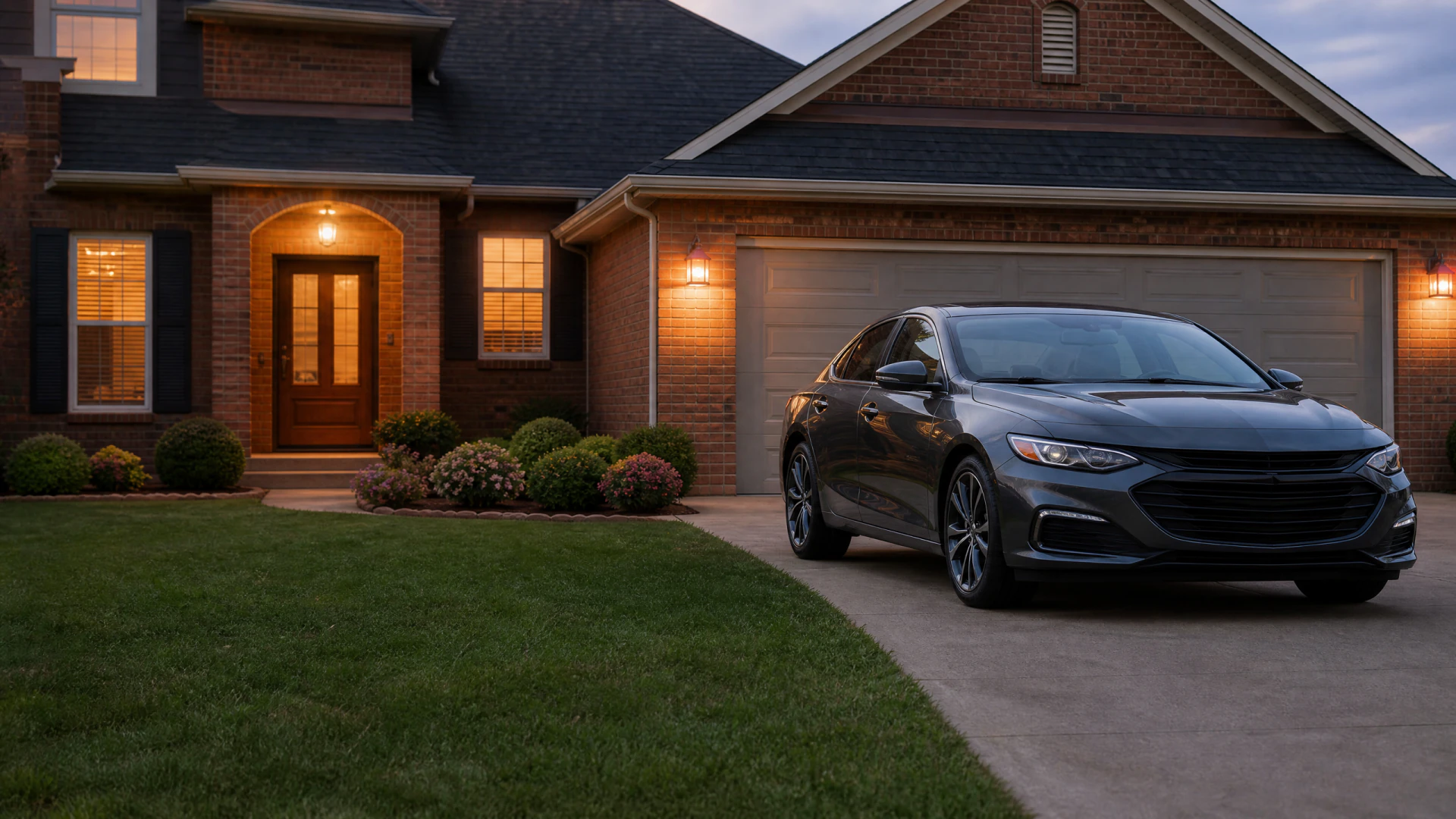
Is It Cheaper to Insure a Car for Work or Pleasure
Pleasure use is usually cheaper to insure than work use, because fewer miles and less time on the road means less risk to the insurer.
Free to compare
Why work use costs more: it means more time exposed to risk
Insurers price a policy based on how likely you are to file a claim, and how much time you spend driving is one of the biggest factors in that estimate. A car used for commuting or work spends more hours on the road, often during rush hour, which raises the odds of an accident. A car used mainly for errands and weekend trips spends less time exposed to that risk, so insurers charge less for it.
The category you pick isn't just a label, it's a description of your actual driving pattern that the insurer uses to set your rate. If you say pleasure use but actually drive to an office on a regular schedule, you've misrepresented your risk, and that can cause real problems if you ever file a claim. Insurers can investigate mileage and commute patterns, especially after an accident, and a mismatch between what you declared and how you actually drive can lead to a denied claim or a canceled policy.
This is also why commuting and business use aren't the same thing. Commuting usually means driving to and from a regular workplace. Business use means using the car as part of your job itself, like making deliveries or visiting client sites throughout the day. Business use carries more risk than a simple commute, because the car is in use for longer stretches and often in unfamiliar areas, so it typically costs more than commuting even though both cost more than pleasure use.
What counts as each category, and how much the price difference actually is, varies by insurer and by state. Some insurers draw the line differently between commuting and business use, and some weigh mileage more heavily than others. Check with your insurer how they define each category and what mileage range fits your situation, since giving them an accurate answer protects you far more than it costs you.

The short version
Pleasure use is typically cheaper because it means less time on the road and less risk. Work use, whether commuting or business driving, costs more because it adds exposure. The one thing to do now is describe your actual driving pattern honestly when you get quotes, since misclassifying it can cost you a claim later.
When the baby changes your commute, not just your car
Say you've been working from home for the past year on parental leave, with your policy listed as pleasure use since you weren't commuting. As you prepare to return to work, you realize you'll be driving your child to daycare every morning on your way to the office, then picking them up on your way home. That's a new, regular pattern that didn't exist when you first set up the policy.
You call your insurer and update the policy to reflect commuting use, describing the daycare stop as part of your daily route. Your premium goes up a little, but it's a small, predictable change compared to the risk of having a claim questioned later because your declared use didn't match reality. A few months in, you're rear-ended on the way to daycare, and because your policy accurately reflects your commute, the claim goes smoothly with no questions about your driving pattern. The peace of mind from that accuracy turns out to matter more than the few dollars you saved by downplaying it.
Knowing which use case fits your routine, compare quotes using that accurate answer.
What if my work and personal driving overlap, like errands on the way home?
Most insurers don't expect a perfectly clean split between work and personal driving, and incidental stops like picking up groceries on your commute won't change your classification. What matters is your primary, regular use of the vehicle. If the dominant pattern is driving to and from a workplace, that's commuting, even if you occasionally run errands along the way.
Where it gets more complicated is if the errands themselves become frequent and substantial, like regularly driving for a side job or making deliveries as part of your work. At that point you're closer to business use, which is a different category with its own pricing. If you're unsure where your pattern falls, describe a typical week to your insurer in detail and let them tell you which category fits, rather than guessing and hoping it doesn't matter.

Does using my car to drive my baby to daycare count as commuting or business use?
It counts as commuting, since daycare drop-off is part of your personal routine around getting to work, not a business activity itself. What matters is the overall pattern, regular driving to and from a workplace, with the daycare stop folded into that route. It wouldn't change your category even if it adds a few minutes or miles. If daycare driving somehow becomes your main use of the car, like if you're no longer commuting to a workplace at all, tell your insurer so they can reclassify accordingly.
Will switching from pleasure to commuting use raise my rate a lot?
It raises your rate somewhat, but usually not dramatically, since commuting is a common, well-understood category insurers price for routinely. The increase reflects the added time on the road, not a penalty. How much it changes depends on your insurer, your location, and how far your commute is, so ask for a quote comparison between pleasure and commuting use before you decide anything. If the difference feels larger than expected, ask what's driving it, since commute distance and traffic patterns in your area are often the reason.
Do I need to update my insurance every time my work schedule changes?
You need to update it whenever your actual driving pattern changes in a lasting way, not for every small schedule shift. Going from working in an office on a regular basis to a hybrid schedule, or stopping work entirely during leave, are the kinds of changes worth reporting. A single week of extra errands or a temporary change isn't. When in doubt, call your insurer and describe what's changed, and they'll tell you whether it affects your classification.