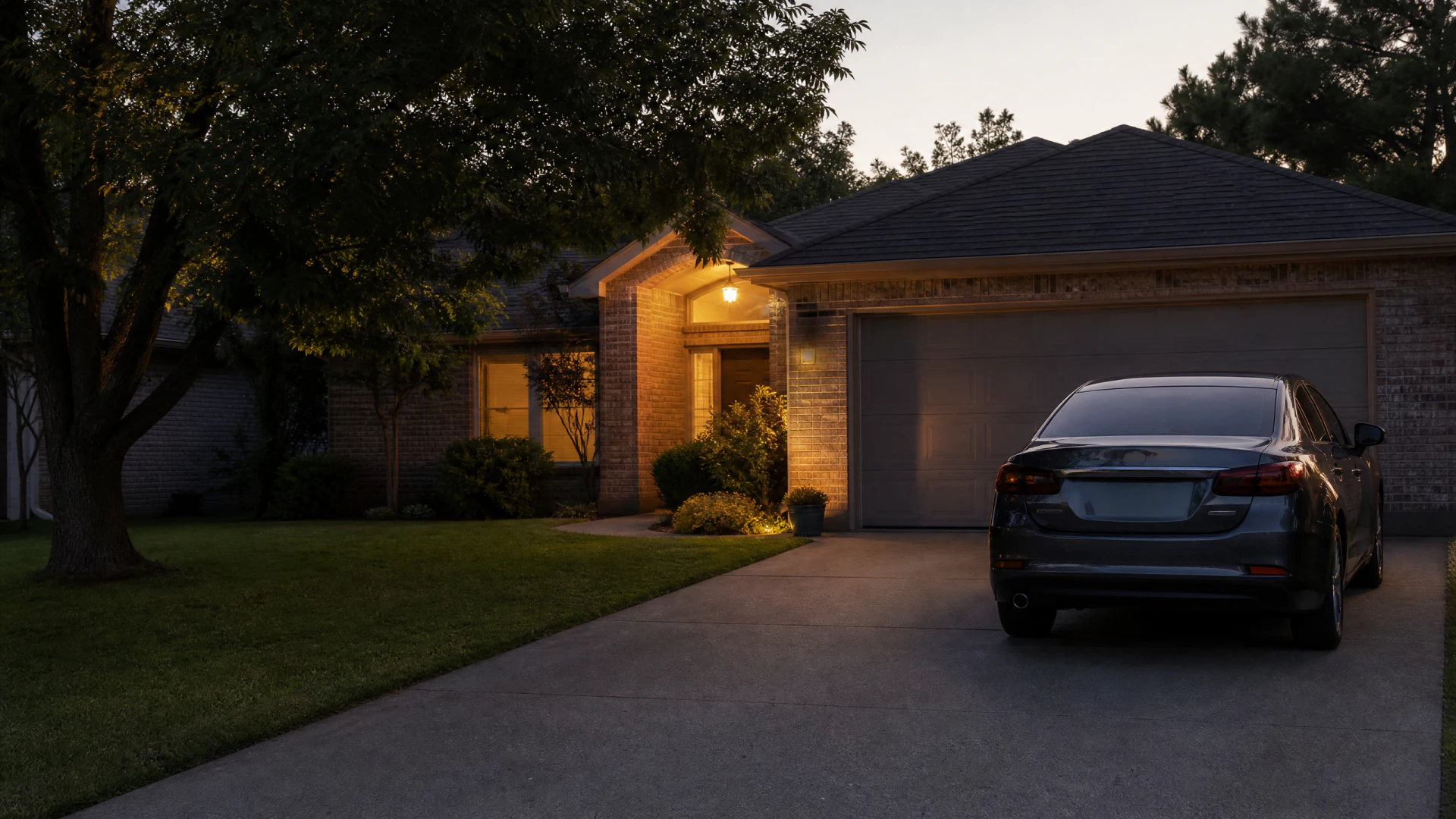
Is It Less Expensive to Insure a Used Car
Usually yes, but the savings come from the car's value and repair costs, not from its age alone.
Free to compare
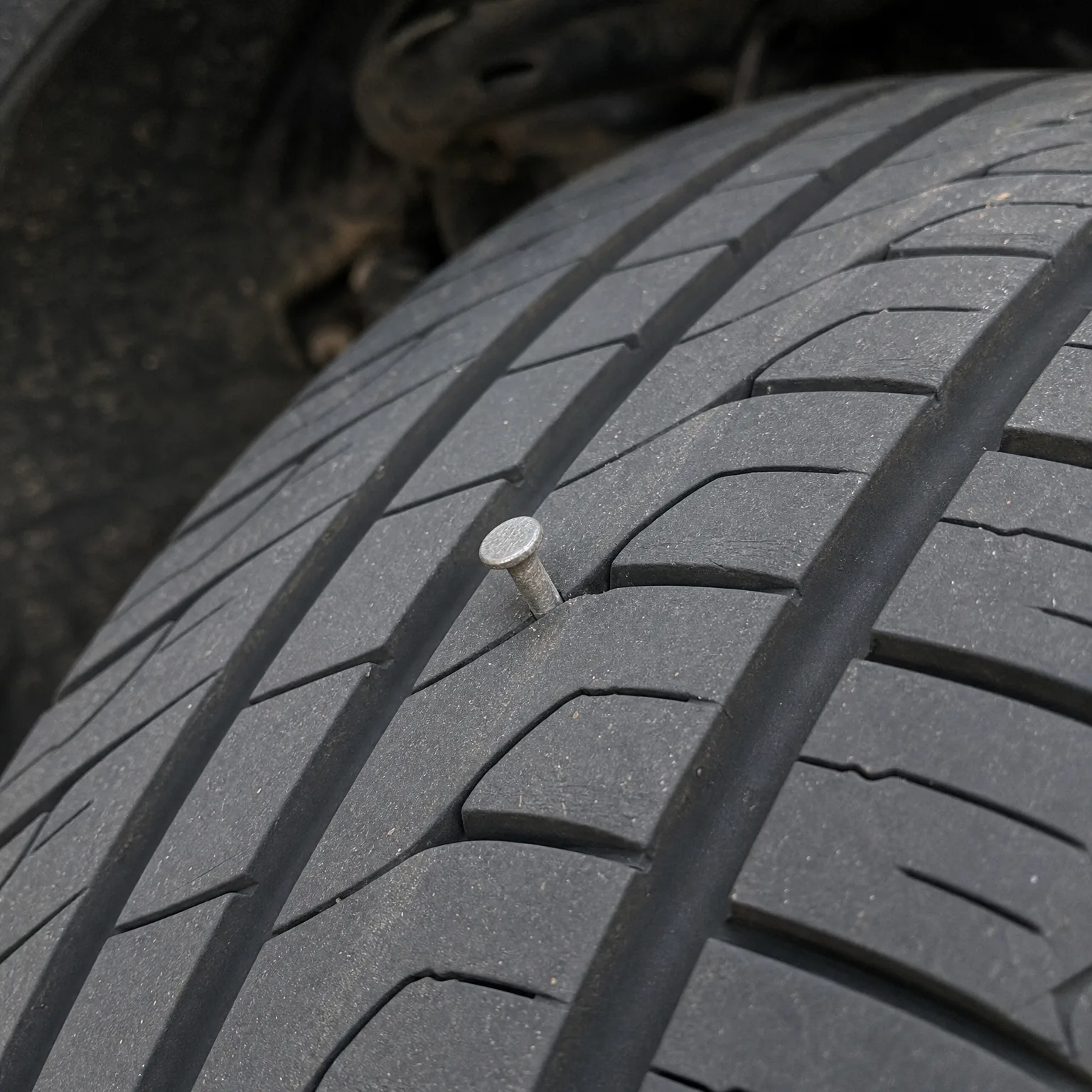
What actually drives the cost down
- Lower vehicle value Comprehensive and collision costs are based on what the car is worth. A used car worth less means those coverages cost less to carry, since there's less to pay out if it's totaled.
- Repair cost history Some used models are cheap to fix, others aren't, regardless of age. Look up how expensive parts and labor are for the specific model before assuming older means cheaper.
- Safety features matter more now With a baby riding along, check whether the used car has the safety features you actually want, since older models may lack them. A missing feature can also affect how insurers price the policy.
- Liability stays the same The part of your policy that protects other people and your passengers costs the same no matter what car you drive. Don't expect a used car to lower your whole bill, just the portion tied to the vehicle itself.
- Loan or lease requirements If you financed the used car, your lender likely requires comprehensive and collision anyway. Check your loan terms before assuming you can drop coverage to save money.
A family trades a newer car for a used one before the baby arrives
A couple expecting their second child decided to trade in their newer sedan for a used midsize SUV with more back seat room for two car seats. They assumed the switch would lower their insurance bill simply because the car was older and cost less upfront.
When they compared quotes, the savings were real but smaller than expected. The used SUV's comprehensive and collision costs dropped because the car was worth less, but liability costs stayed the same since that coverage is about the people involved, not the car. They also found the used SUV had fewer safety features than their old sedan, which affected how claims and premiums were calculated. They kept the coverage levels they'd already decided were right for their growing family and just updated the vehicle, adjusting their budget expectations instead of assuming a blanket discount.

The savings come from what the car is worth and costs to fix, not from the word 'used' itself.
Once you know which coverages shift with a used car, compare quotes to see the real difference for your situation.
Why the price drops in some places and not others
Insurance pricing splits into two basic jobs. Liability coverage pays for harm you cause to other people, their cars, or their medical bills, and that risk has nothing to do with what you drive. Comprehensive and collision coverage pays to repair or replace your own car, and that's where the car's value and repair costs come into play directly.
A used car typically has a lower market value than a new one, so if it's totaled, the insurer pays out less. That's the main reason used cars often cost less to insure for the physical damage portion of a policy. But value isn't the whole story. Some used cars have expensive parts, rare components, or a history of costly repairs that offset the lower value, so the discount isn't guaranteed just because a car is older.
Safety technology also plays a role. Newer cars often come with features that reduce the chance or severity of a crash, and some insurers factor that into pricing. A used car without those features might not get as much of a break as you'd expect, even though it's worth less. This matters more right now, with a child in the car, since you're weighing safety and cost at the same time.
State rules and individual insurer practices affect how much any of this shows up in your premium. Check with your insurer or compare quotes directly to see how a specific used car would actually price out for you, since the general pattern doesn't guarantee your exact number.

Does adding a car seat or baby change my insurance rate?
No, insurance rates are based on drivers, vehicles, and coverage, not passengers like an infant. A car seat itself isn't separately insured through your auto policy either. What does matter is making sure your liability limits reflect that you now have a dependent to protect financially, so review those limits with your insurer.
What happens to a car seat after a crash?
Most manufacturers recommend replacing a car seat after any moderate or severe crash, even if it looks undamaged, since the materials can weaken in ways you can't see. Check your specific car seat's manual for its policy. Some insurers will cover replacement under your policy's property damage or medical payments coverage, so ask your insurer what documentation they need.
Should I raise my liability limits now that I have a child?
Many parents do raise their limits once a child depends on their income, since a lawsuit after a serious accident could affect your family's finances for years. Whether to raise them and by how much depends on your assets, income, and state minimums. Check your state's minimum requirements and talk to your insurer about what higher limits would cost.