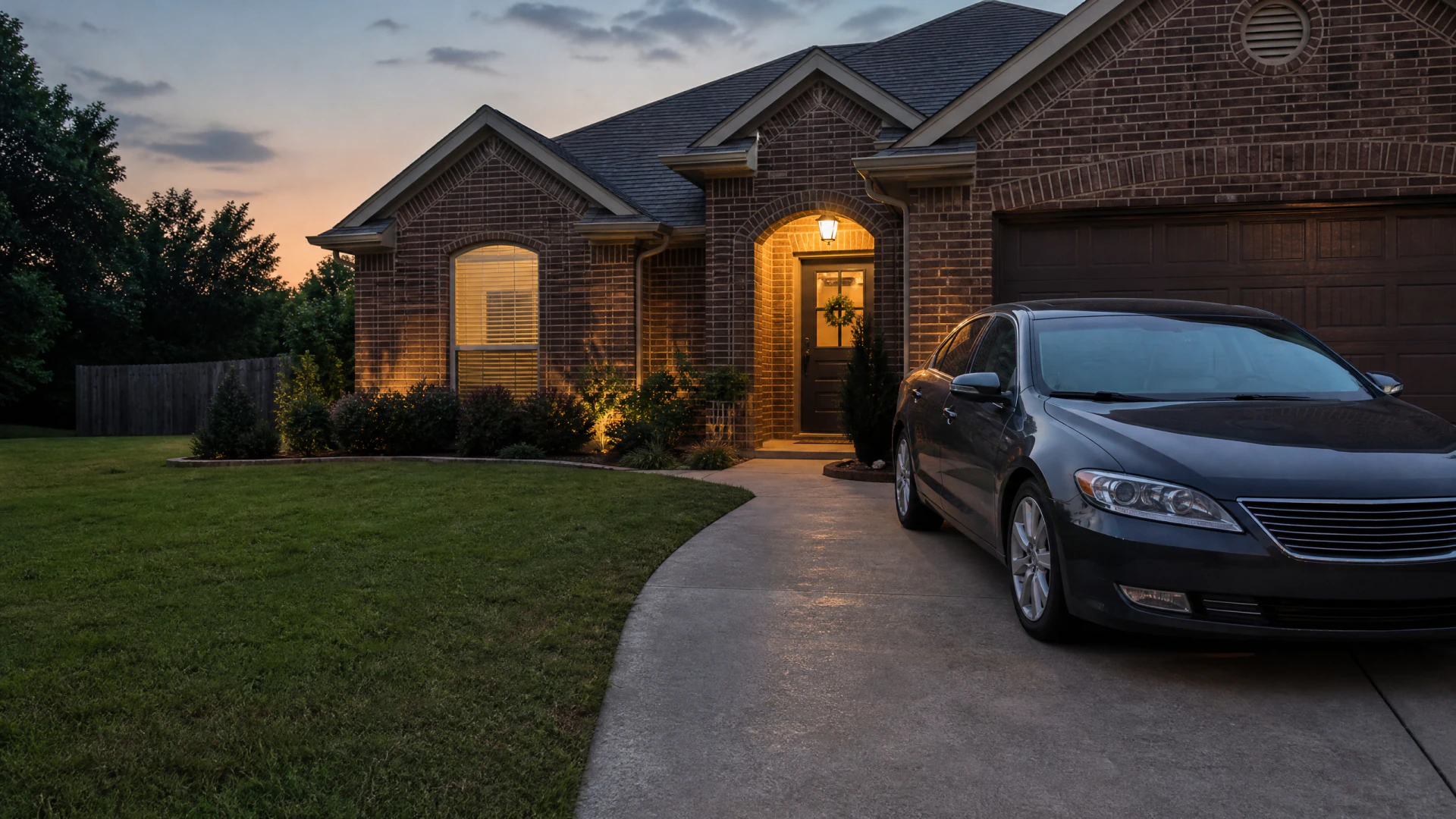
Should a Nanny Be Insured to Drive Your Car
Yes, if your nanny regularly drives your car, you should add her to your policy before the next trip to the park.
Free to compare
Your policy follows the car, but it checks who's behind the wheel
Car insurance is built around two questions: whose car is it, and who's driving it regularly. A policy expects you to tell it who normally has access to the car, and a nanny who drives your kids to swim lessons or picks up groceries in your car counts as a regular driver, not an occasional one. Leaving her off isn't a technicality. It's a gap between what your insurer thinks is true and what's actually happening.
Insurers treat occasional, one-time use differently from routine use. If a friend borrows your car once while visiting, most policies extend coverage automatically. But a nanny who drives several times a week has a pattern, and patterns are exactly what insurers want disclosed upfront. If you don't list her and she's in an accident, the insurer can investigate how often she actually drove, and if the answer is often, they can argue you misrepresented your household.
The risk isn't just a denied claim. Even if the claim is paid, an insurer who discovers an undisclosed regular driver after the fact may cancel your policy or decline to renew it, which makes finding new coverage harder and pricier later. You're not just protecting one claim, you're protecting your relationship with the insurer going forward.
What counts as regular driving varies by insurer and sometimes by state, so there's no single threshold that applies everywhere. Some ask about anyone over a certain age in the household, others ask about anyone who drives more than occasionally regardless of where they live. Call your insurer and describe her actual routine, the school pickups, the errands, the days per week, and let them tell you how they classify it.
A nanny who started with no driving and ended up driving daily
A couple hired a nanny shortly after their second child was born, originally just to help at home while one parent was on leave. For the first few months she never touched the car. Once the leave ended, the routine shifted, and she started driving the older child to preschool and running errands most weekdays while the parents were at work.
The mother called their insurer when she realized how much the nanny's role had changed, expecting a complicated process. Instead, the agent asked a few questions about how often she drove and which car she used, then added her as a listed driver on the vehicle she used most. The adjustment appeared on the next bill. A few months later the nanny was rear-ended at a stoplight with the child in the back seat, and because she was properly listed, the claim moved forward without the insurer questioning who was driving or why. The parents said the five-minute phone call felt like nothing compared to the alternative.

A policy isn't just about who owns the car, it's about who's actually driving it week after week.
Once your nanny is listed the right way, compare quotes to make sure you're not overpaying for that peace of mind.

Whether you list your nanny as a driver
If you do
Your insurer already knows she drives the kids around, so a claim moves forward without questions about who was behind the wheel. Your premium may shift slightly to reflect her as a driver, but you'll know your coverage actually matches your household before anything goes wrong.
If you don't
Everything feels normal until there's an accident, and then the insurer asks how often she drives. If the pattern looks regular and undisclosed, they can investigate, delay the claim, deny it, or cancel your policy afterward. You find out the gap existed only when you needed the coverage most.
Does it matter whose car the nanny drives, hers or yours?
Yes, it changes which policy responds first. If she drives your car, your policy is primary and her driving habits need to be disclosed to your insurer, regardless of whether she owns a car of her own.
If she sometimes uses her own car for work tasks, like driving your child somewhere in her vehicle, her personal policy is usually primary, but it may not include coverage for business-related use like childcare duties. Some personal auto policies exclude driving done as part of a job, which this could qualify as depending on the insurer and the state. If she regularly uses her own car for your family's errands, ask her whether her policy covers that, and consider whether a rider or your own policy should fill the gap. Don't assume either policy automatically covers every scenario just because a car is involved.