Should I Get PIP Coverage if I Have Health Insurance
Usually yes, because PIP covers things health insurance won't, like lost wages, childcare help, and your passengers regardless of fault.
Free to compare
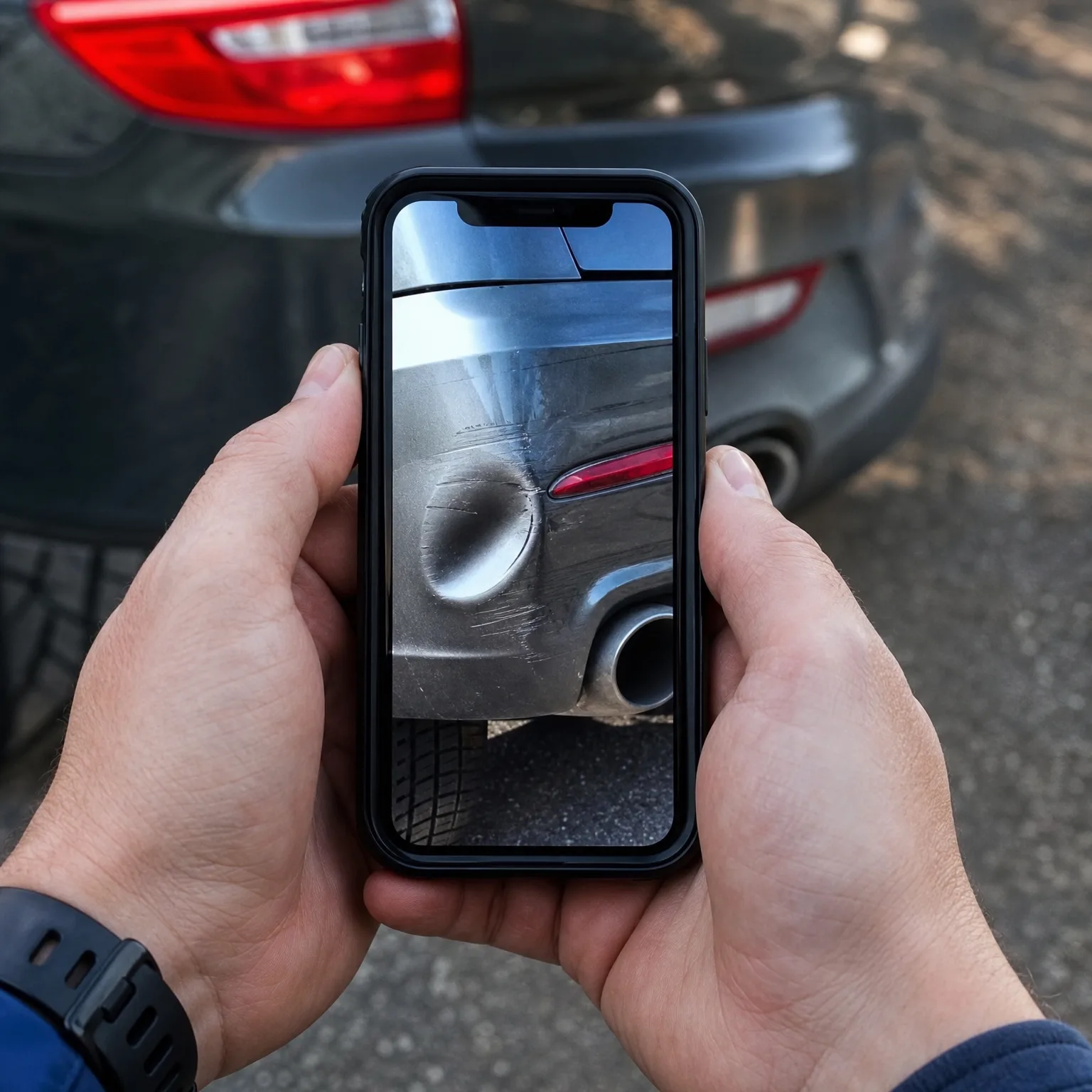
What PIP covers that health insurance doesn't
- Lost income If you're out of work recovering, health insurance pays zero toward missed paychecks. PIP can replace part of that income, which matters most if you're about to go down to one income anyway.
- Passengers and your baby Health insurance covers each person under their own plan, with their own deductible. PIP can cover everyone in the car under one claim, which matters once a child who may not have independent coverage yet is riding with you.
- No fault, no fight PIP pays out regardless of who caused the crash, before anyone determines fault. That means faster payment when you need to replace a car seat or get to appointments, without waiting on an investigation.
- Deductibles and copays Your health plan still charges its deductible and copays after a crash. PIP can cover those out-of-pocket costs, which adds up fast with ER visits, imaging, or a newborn checkup after an accident.
- Childcare and household help Some PIP policies pay for childcare or household services you can't perform while hurt. Health insurance never covers this, and it's often the gap new parents feel hardest.

The short version
Yes, keep or add PIP even with health insurance, because it covers lost wages, deductibles, and passenger injuries that health insurance leaves to you. The one thing to do now is check your state's PIP rules and your policy's limit before the baby arrives, since a newborn changes who's riding in the car and what you'll need covered.
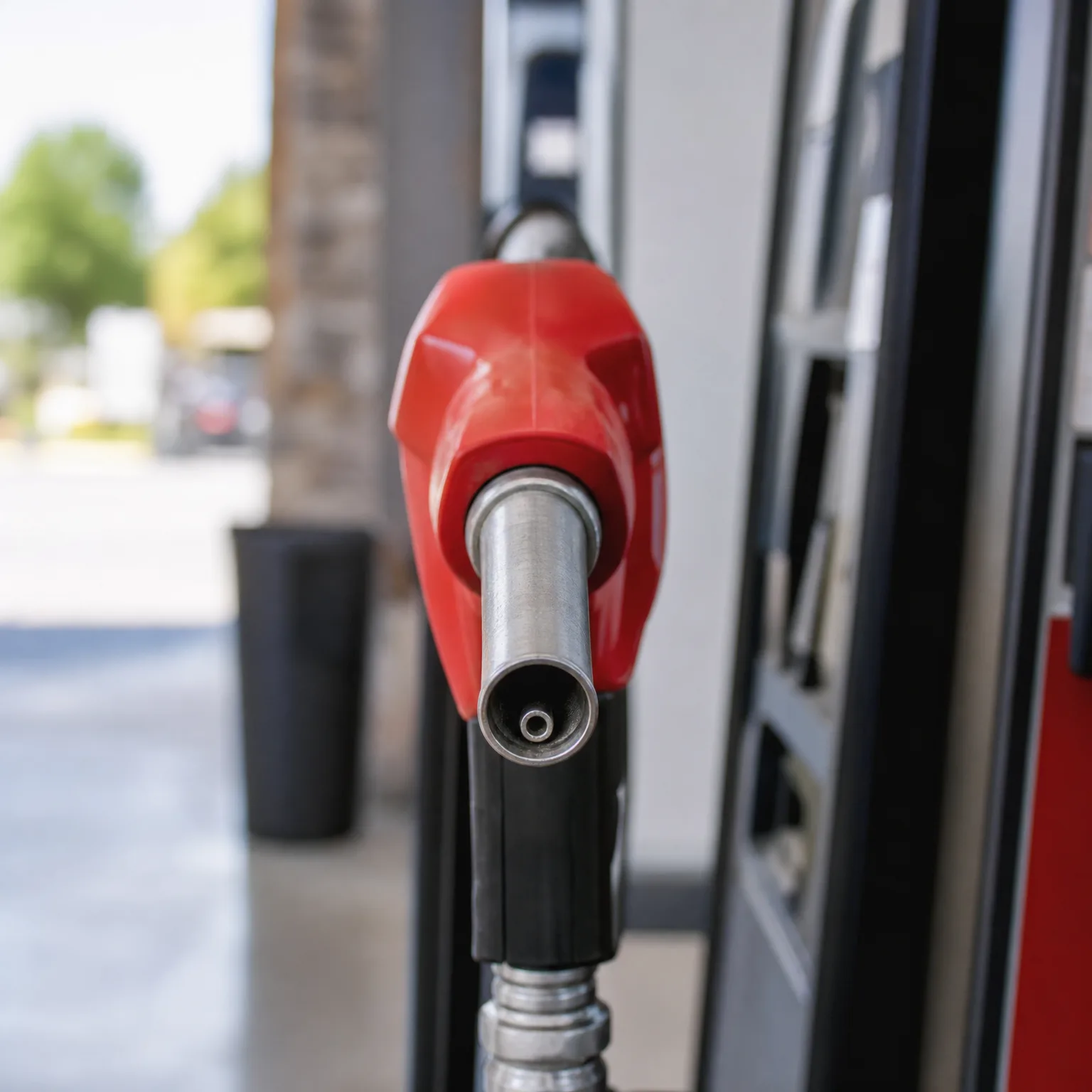
A rear-end crash on the way to a pediatrician appointment
A driver three months into parental leave was rear-ended on the way to a checkup, with the baby in the back seat in a newly installed car seat. Health insurance covered the baby's ER visit, but charged a deductible and a copay that showed up a few weeks later. The driver also missed a week of unpaid leave because of whiplash, and health insurance didn't touch that lost income at all.
Because the policy included PIP, the claim paid out the deductible, the copay, and a portion of the missed pay without anyone needing to argue over fault first. The car seat was replaced automatically since it had been in a collision, which the auto insurer handled separately from the medical side. The driver said the fastest part of the whole process was the PIP payment landing before the health insurance paperwork was even finished.
Compare quotes with PIP included so you can see what it actually costs to protect your income and your passengers.

Whether to keep PIP now that you have a baby on the way
If you do
You keep coverage for lost wages, deductibles, and copays that your health plan won't touch. If you're ever hurt and can't work during leave, PIP fills that gap fast. Your baby and any passengers are covered under one claim too, without waiting to sort out fault first.
If you don't
You rely entirely on health insurance, which still charges you a deductible and copay, and pays nothing toward lost income. If you're hurt and can't work, there's no backup while you wait on fault to be decided. Passengers in your car may also have no coverage if they lack their own health plan.
Does PIP cover a car seat after an accident?
Usually not directly, since PIP is a medical and wage benefit, not property coverage. Car seat replacement is typically handled under your collision or liability coverage, sometimes automatically after any crash involving a child seat. Check your policy wording, since some insurers only replace the seat if the crash was reported or met a certain severity. If yours doesn't include this, ask about adding it or confirm how claims for car seats are usually handled.
Is PIP required or optional in my state?
It depends entirely on where you live, since some states require PIP and others make it optional or don't offer it at all. States that require it often also set a minimum amount you must carry. Check your state's specific auto insurance rules, since this changes not just whether you need PIP but how much and what it must cover. If you're moving soon, check the new state's rules too before you finalize coverage.
Should I raise my PIP limit before the baby arrives?
Raising it makes sense if your current limit would barely cover one ER visit, let alone lost wages and childcare help. With a newborn in the car and possibly reduced income during leave, a higher limit gives you more room if something happens. Check what your current limit actually pays out for lost wages specifically, since that number matters more than the medical portion. If the wage replacement is capped low, raising the limit is usually worth the cost.