
Should I Let My Friend Borrow My Car
Generally yes, your policy covers your car when a friend drives it, as long as you gave them permission.
Free to compare
What to check before you hand over the keys
- Permission matters Your coverage typically applies when you let someone borrow the car with your okay. If they took it without asking, that's a different situation and may not be covered the same way.
- Your policy pays first In most cases your insurance is the primary coverage, even though your friend is driving. If a claim happens, it can affect your record and your future rates, not theirs.
- Their driving history counts Some insurers ask who regularly drives your car, and a friend with a rough record could affect things if they borrow it often. Check your policy's rules on frequent drivers versus occasional ones.
- Check your limits If your friend causes real damage, your liability limits are what pay out. Know what your limits are now, before you're in a claim deciding if they're enough.
- Some cars need extra care Certain vehicles, like high value or specialty cars, may have different rules under your policy. Check your declarations page or ask your insurer if your car falls into a category that changes the answer.
A friend borrows the car for the weekend
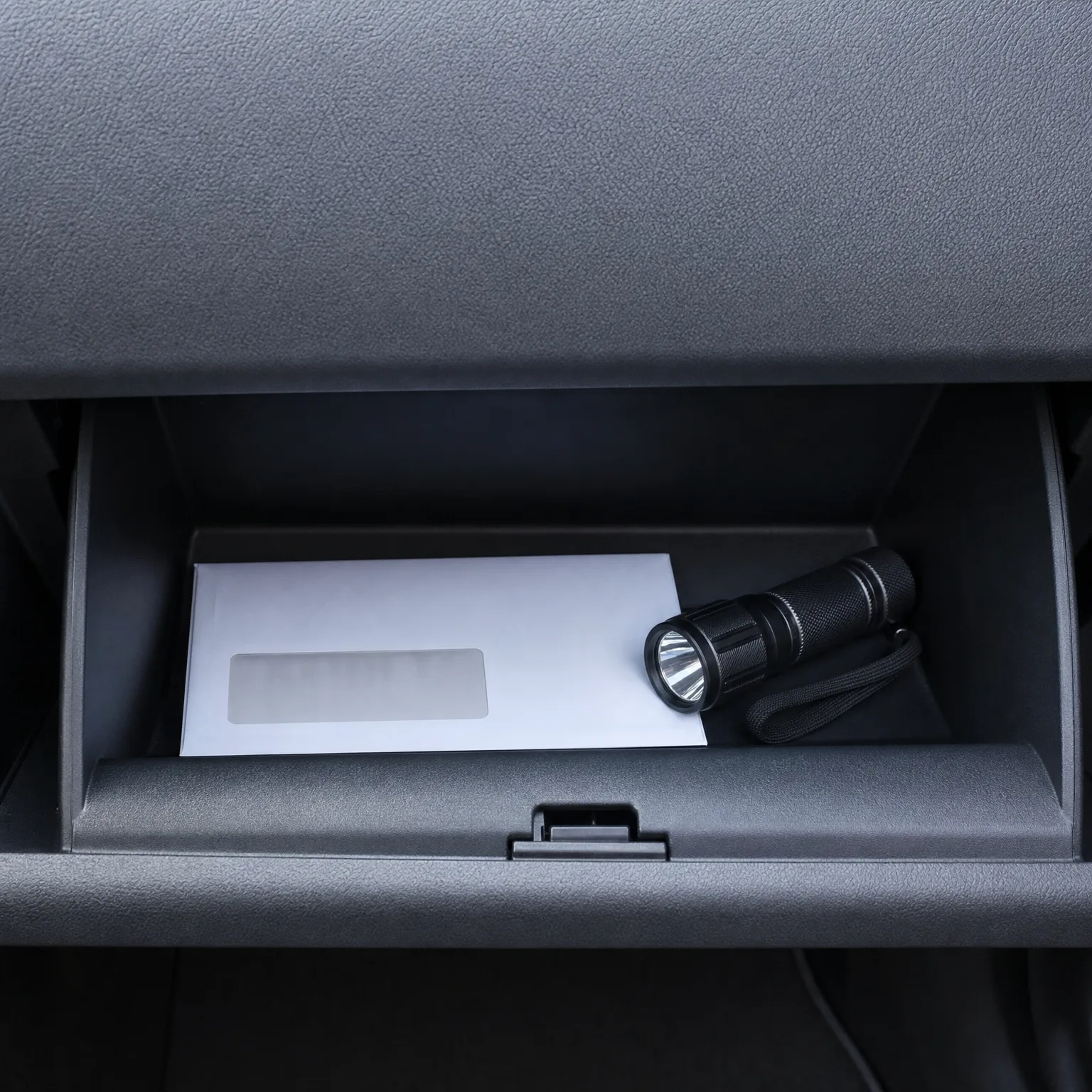
You lend your car to a close friend so they can drive to visit family a few hours away. Before handing over the keys you check your policy's liability limits and confirm your friend is a licensed driver in good standing. You also let them know to keep the registration and insurance card in the glove box, just in case anything happens on the trip.
On the drive back, your friend gets into a minor accident with another car at a stoplight. Nobody is hurt, but both vehicles have damage. Because you gave permission to drive the car, your insurance responds as the primary coverage, and your friend provides their license and your insurance information to the other driver. The claim gets filed under your policy, and while the situation is stressful, it moves forward the way your coverage was built to handle it.
What matters is whether you're okay covering whatever your friend does with the car.
Once you know your policy covers the car no matter who drives it with permission, compare quotes to check your limits.
Why your insurance follows the car and not the driver
Auto insurance is built around the vehicle because that's the asset being insured and the source of risk on the road. When you buy a policy, you're covering the car for accidents, damage, and liability, and that coverage doesn't disappear just because someone else is behind the wheel. This is why permissive use, meaning you said yes, is the detail that matters most.
Insurers extend coverage to occasional permitted drivers because it reflects how people actually use cars. Families share vehicles, friends return favors, and if coverage vanished the moment someone else drove, the entire system would be impractical. But insurers also want to avoid covering arrangements that look more like regular use than a one time favor, which is why some ask about household members or frequent drivers specifically.
Where this gets more complicated is when a friend drives your car often, not just once in a while. At that point, some insurers may treat them as a regular driver who should be listed on the policy, which can change your premium or even require a formal update. The line between occasional and regular isn't universal, so it helps to know how your specific insurer defines it.
Another variable is what happens if your friend has their own policy. In many cases your insurance still pays first since it's tied to the car, but your friend's policy could potentially provide additional coverage if damages exceed your limits. This is one of the reasons knowing your liability limits matters before you lend the car, not after something happens.
Does my insurance go up if my friend gets in an accident in my car?
It can, because the claim is typically filed under your policy even though your friend was driving. Whether your rate actually increases depends on your insurer and the details of the claim. Check with your insurer about how at fault accidents involving permitted drivers affect your specific policy before assuming the worst.
What if my friend doesn't have a license?
This changes things significantly, since coverage assumes the driver is licensed and legally allowed to operate the vehicle. If an unlicensed person drives your car and causes an accident, your insurer may deny the claim or pursue other remedies. Confirm your friend's license status before lending your car, not after.
Should I list my friend as a driver on my policy?
It depends on how often they'd be driving your car. Occasional borrowing usually doesn't require listing them, but frequent use might. Ask your insurer where that line falls for your specific policy, since the definition of occasional versus regular can vary.