Should You See a Doctor After a Minor Car Accident
Yes, see a doctor after a minor accident, because some injuries and risks to a pregnancy don't show symptoms right away.
Free to compare

What matters for you right now
- Adrenaline hides injuries Right after a crash, adrenaline can mask pain from whiplash or soft tissue injury. Get checked even if you feel fine in the moment, because symptoms often show up a day or two later.
- Pregnancy needs its own check If you're pregnant, any impact deserves a monitoring visit, even a low speed one. Ask your provider about fetal monitoring so you have peace of mind and a documented record.
- A record protects your claim A medical record tied to the accident date backs up any injury claim you file later. Without it, an insurer can argue your injury came from somewhere else.
- Car seats don't survive impact Any car seat involved in a moderate or severe crash needs replacing, and some manufacturers recommend replacement after any crash at all. Check your seat's manual and your policy for replacement coverage.
- Delay weakens your case Waiting days or weeks to see a doctor gives insurers room to question whether the accident caused your injury. See someone within a day or two, even for a basic evaluation.
A fender bender that felt like nothing
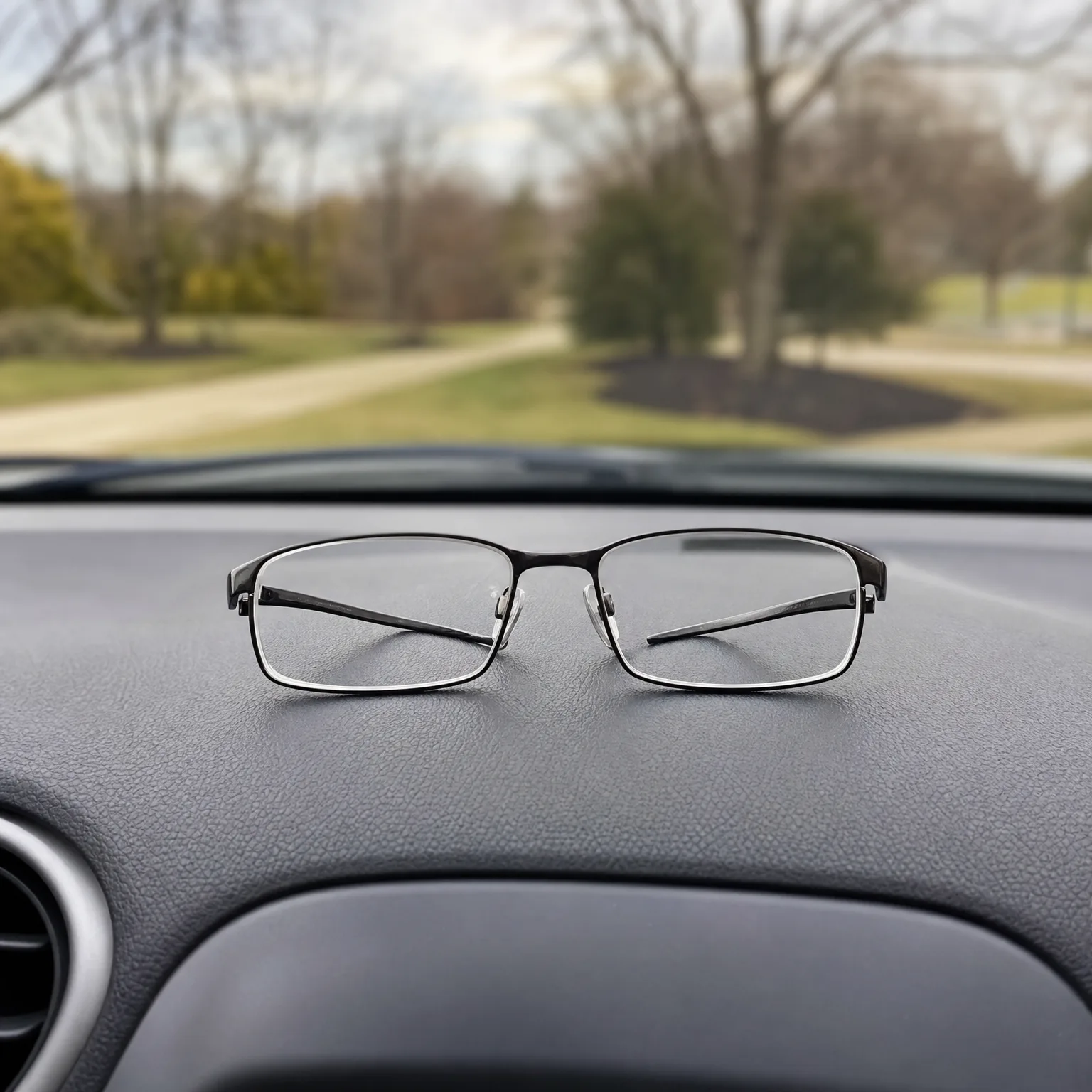
You're eight months pregnant, stopped at a light, when someone taps your bumper from behind. No airbags, no broken glass, just a jolt and a racing heart. You exchange information, the other driver apologizes, and you drive home telling yourself it was nothing. By evening you feel a tightness that wasn't there before, and you start to wonder if you made the right call walking away without being checked.
You call your OB's office and they tell you to come in for monitoring, which is standard after any impact this late in pregnancy. They check the baby's heart rate and confirm everything looks fine, but the visit also creates a timestamped medical record linking the accident to a doctor's visit. A week later, the other driver's insurer questions whether you were really affected by such a minor hit. Because you went in the same day, there's no gap for them to point to, and the claim moves forward without a fight.

Now that you know to get checked and document it, compare quotes to make sure your coverage holds up the same way.

Whether you go in after a minor crash
If you do
You get a same-day or next-day record tied to the accident. If something was injured but not yet painful, it's caught early. Your claim has medical backing from day one, and if you're pregnant, you get confirmation the baby's okay instead of days of worry.
If you don't
You save a copay and an afternoon, but you have no record if pain shows up later. Insurers can argue something else caused your injury. If you're pregnant, you're left guessing instead of knowing, and that gap is hard to close after the fact.
Will seeing a doctor after a minor accident hurt my insurance claim?
No, it helps your claim rather than hurting it. Insurers don't penalize you for getting checked out, they penalize unexplained injuries that show up without any record connecting them to the accident.
The only situation that gets complicated is when someone waits so long between the accident and the visit that a gap opens up for the insurer to question. Going in promptly, even just for an evaluation that turns up nothing serious, removes that gap entirely. It also means that if something does surface later, like a soft tissue injury that takes days to announce itself, you already have a baseline exam on record showing when your symptoms began relative to the crash.

Feeling fine isn't the same as being fine, and only a doctor's visit turns that into a record you can rely on.