Three Common Reasons Car Insurance Claims Are Denied
Most denials trace back to a lapse in payment, a gap between what you reported and what happened, or coverage you didn't actually have.
Free to compare
Denials usually come from a mismatch, not bad luck
An insurer pays claims against a contract, and that contract only covers what you agreed to and kept current. When a claim gets denied, it's almost always because something about the incident fell outside that agreement, not because the company is looking for a reason to say no.
The first common reason is a lapsed or canceled policy, often from a missed payment that the owner didn't notice, especially during a stretch like parental leave when a household's finances and routines shift. The second is a mismatch between what's on the policy and who or what was actually in the car, like an unlisted driver, an undisclosed household member, or a vehicle used in a way the policy didn't contemplate. The third is a coverage gap, where the policyholder assumed something was covered, like a car seat damaged in a crash or a rental car needed afterward, when that protection was never part of their plan.
This is why the timing around a new child matters so much. You're adding a dependent, maybe adjusting income, maybe borrowing a car or buying a different one, and all of that can quietly create a gap between your life and your policy. None of these are hidden traps. They're just details that are easy to overlook when you're focused on a new baby instead of your insurance paperwork.
What varies is how strictly insurers apply these rules and what exactly counts as a reportable change. Some states require insurers to give notice before lapsing a policy, and insurers differ on how they treat occasional drivers or newborns before they're formally added. Check your policy documents and your state's rules so you know exactly what's expected of you.
The patterns behind most denied claims
- Lapsed payment A missed or late payment can cancel coverage without much warning, especially if autopay failed or mail went to an old address. Confirm your policy is active and your payment method is current.
- Unlisted driver If someone outside your household drives your car regularly, like a relative helping during leave, they may need to be listed. Tell your insurer who drives the car now that your routine has changed.
- Unreported household change Insurers expect you to report new dependents or drivers in the home, even infants, within a certain window. Call your insurer after the birth to update your policy and avoid a future dispute.
- Coverage you assumed existed Items like a car seat or a rental car during repairs often need specific coverage you may not have. Check your policy for these before you need them, not after a crash.
- Undisclosed car use Using a personal car for delivery work or letting an unlisted driver take it regularly can void a claim. Keep your insurer aware of how the car is actually being used.
A car seat claim that didn't go the way they expected
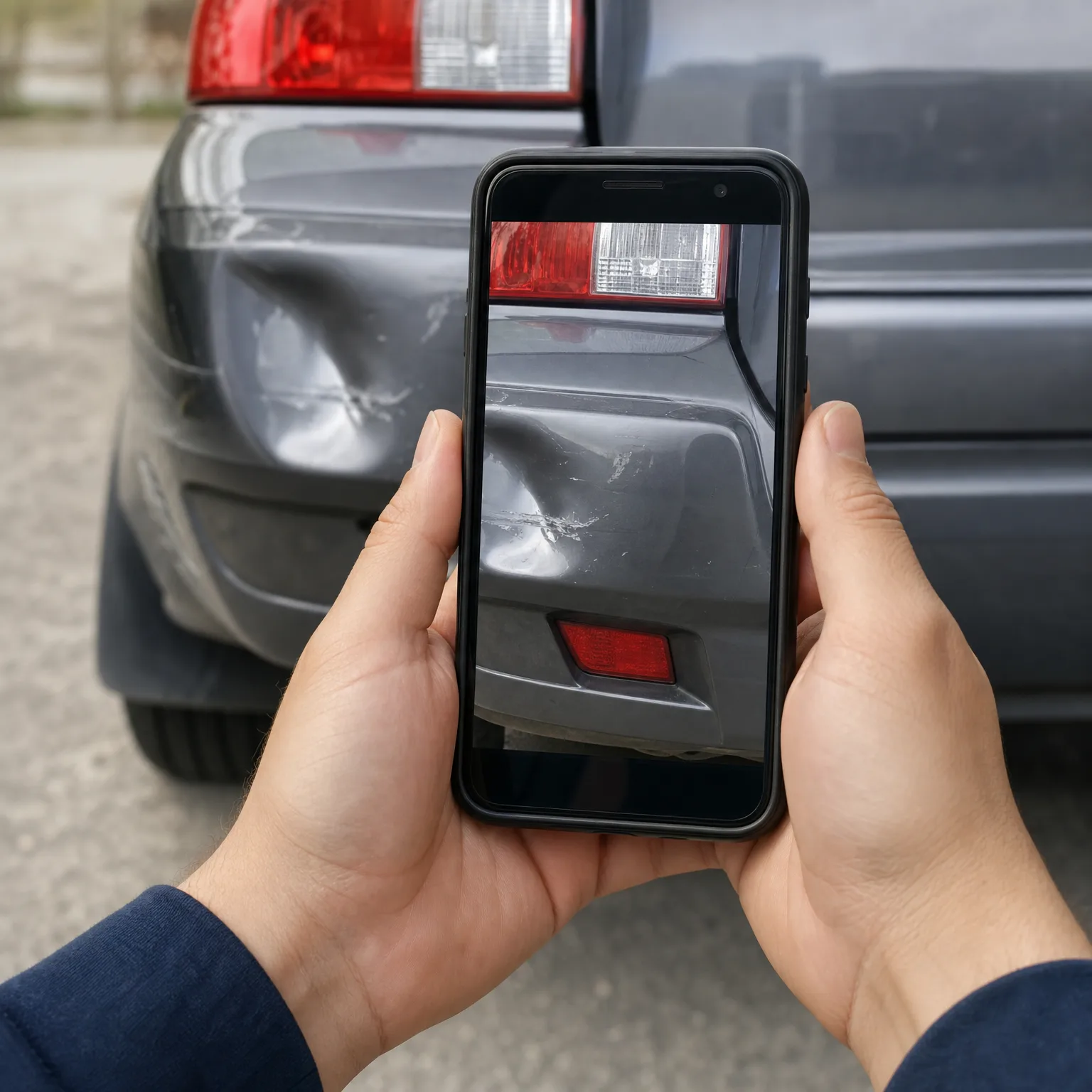
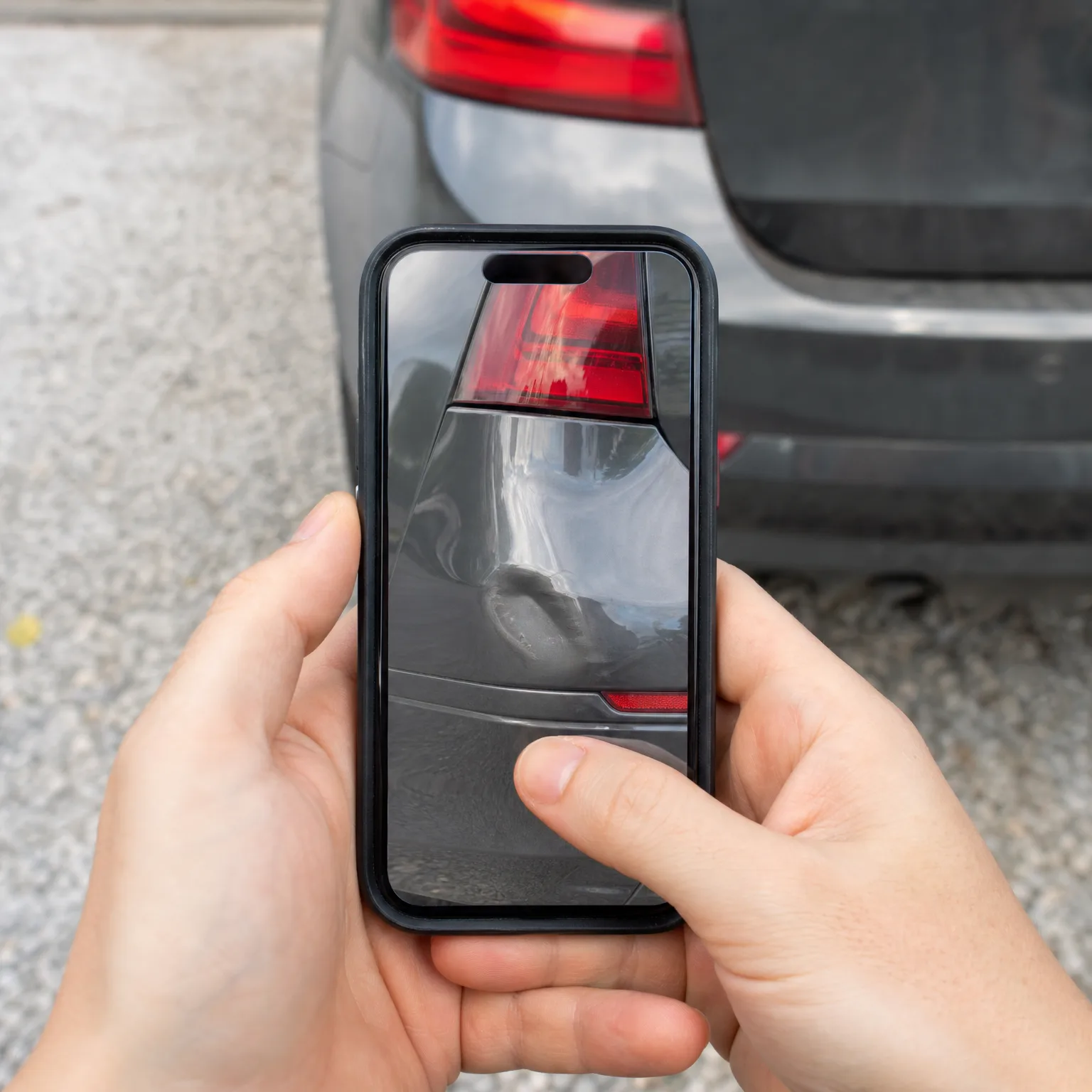
A couple in their early thirties had their first car seat installed a few weeks before their daughter arrived. A few months later, a minor rear-end collision damaged the back seat area, and the car seat was in the mix. They assumed their collision coverage would replace it automatically, since the crash itself was covered.
When they filed, they learned the car seat itself wasn't covered unless they had a specific endorsement or a renewable items provision, which they didn't have. The collision claim for the car itself went through fine, but the seat was denied. They called their insurer afterward, added the right coverage, and kept the denial letter as a reminder to read their declarations page line by line instead of assuming the basics covered everything a new parent actually needs.
Compare quotes that include the coverage you now know to check for, so a denial doesn't catch you off guard.

How long do I have to add my newborn to my car insurance policy?
Most insurers give you a window, often tied to the birth date, but it varies by company and sometimes by state. Check your policy documents or call your insurer directly rather than guessing, since missing the window can affect coverage for anyone transporting the child. If you're unsure, report the change as soon as you can after the birth.
Does car insurance cover a car seat damaged in an accident?
Only if you have specific coverage for it, since car seats aren't automatically included in standard collision or comprehensive coverage. Many insurers offer an add-on or a provision for personal items like this. Check your policy's declarations page or ask your agent directly, and add the coverage before you need it if it's missing.
Will my rates go up after adding a baby or new driver to my policy?
Adding a baby won't raise your rate, since infants aren't drivers, but adding a new household driver, like a teenager down the road, can. What changes your rate now is more often a shift in vehicle use, mileage, or the car you drive, so ask your insurer specifically what triggered any change.
A denial usually means your policy stopped matching your life, so update it rather than just paying it.