What Car Is Most Likely to Survive a Crash
The safest car is a newer, heavier vehicle with a strong safety record, but how you insure it matters just as much as which one you pick.
Free to compare
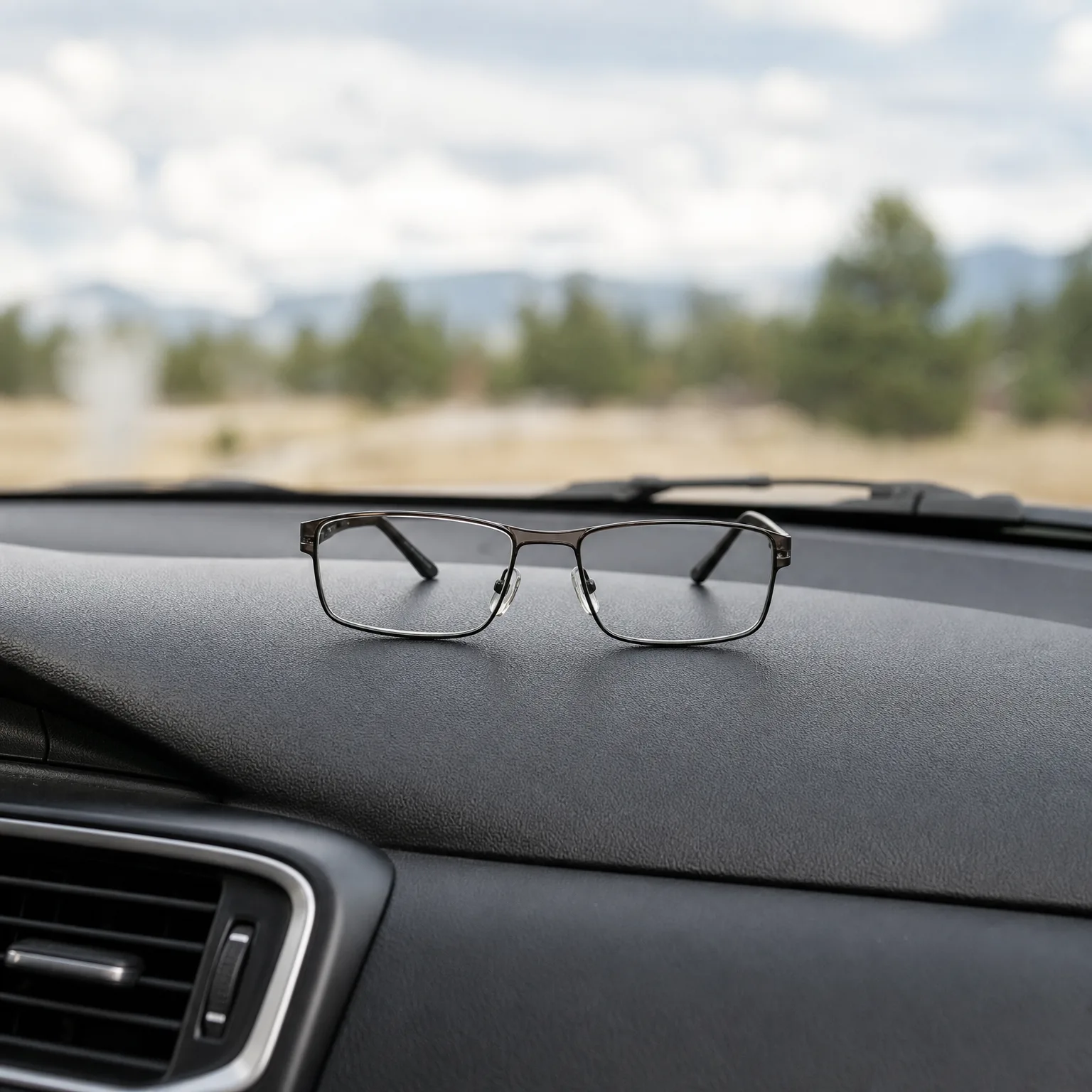
Choosing between two SUVs with the baby due in weeks
A couple expecting their second child was deciding between keeping their older sedan or trading it in before the baby arrived. The sedan ran fine and had no accident history, but it was smaller and lacked some of the newer driver assist features that had become common. They looked up crash test ratings for both the sedan and a slightly newer SUV they were considering, and found the SUV scored better on side impact protection, which mattered to them given where the car seat would sit.
They traded in the sedan a month before the due date. But the bigger decision wasn't really the vehicle itself. When they called to update the policy, they also raised their liability limits and added the new car seat to their records in case it ever needed replacing after a claim. The SUV helped, but what gave them confidence was knowing the coverage behind it matched what they now had to protect.
Does a bigger or heavier car always protect my family better?
Not always. Size and weight help in a crash between two vehicles, because the heavier one tends to absorb less of the force, but weight alone doesn't make a car safe. A heavy vehicle with poor structural design or weak rollover resistance can perform worse than a smaller car engineered well.
What matters more is how a specific vehicle performs in independent crash testing, including front, side, and rollover tests, along with whether it has modern safety features like automatic braking and stability control. Two vehicles of similar size can score very differently. Look up the specific model and year you're considering rather than assuming a class of vehicle, like SUVs or trucks, is automatically safer.

Once you know the car and the coverage you need, compare quotes to see what protecting your family actually costs.

Whether you check crash ratings before you buy
If you do
You find out how a specific car performed in independent testing before you commit, including how it protects the back seat and whether it resists rollover. You can compare two models side by side and choose the one that actually tested better, instead of guessing based on size or reputation.
If you don't
You end up relying on assumptions, like bigger means safer, which isn't always true. You might buy a vehicle that looks sturdy but scored poorly on side impact or rollover tests, the exact scenarios that matter most with a child in the back seat.
What car seat safety ratings should I check along with the car's crash rating?
Check the car seat's own crash test certification and compare it with the vehicle's rated anchor points, since a great car seat still depends on a compatible back seat. Look at whether the seat fits properly in the specific vehicle you're considering, because lower anchors and seat belt geometry vary by model. Many manufacturers and safety organizations publish compatibility notes for common seat and vehicle pairings. If you're unsure, have the installation checked in person before relying on it.
Do I need to replace a car seat after a minor accident?
In most cases yes, if the accident was more than very minor, since car seat manufacturers typically recommend replacement after any moderate or severe crash even if the seat looks undamaged. Check your specific car seat manufacturer's guidelines, because thresholds differ. Some insurance policies cover this replacement cost as part of a claim, so check your policy language or ask your insurer directly before paying out of pocket.
How much liability coverage should I carry now that I have a child?
More than the state minimum in most cases, since minimum limits are often set low and may not cover the full cost of a serious injury claim involving another family. What's enough depends on your assets, income, and what you'd need to protect if you were found at fault in a serious accident. Review your limits with your insurer and ask what raising them would cost, since the increase is often smaller than people expect.
The car protects your family in the crash, but your coverage protects them in everything that happens after.