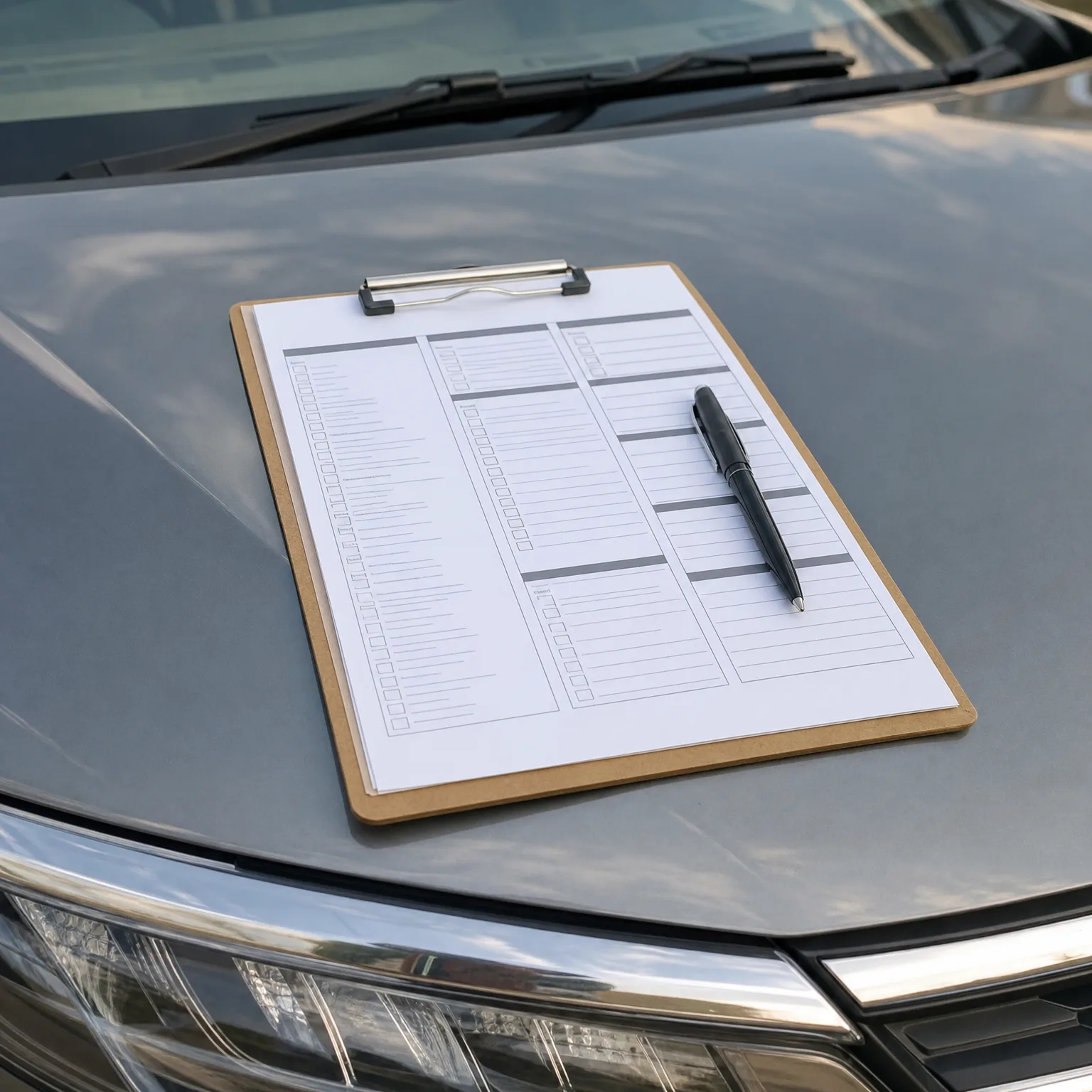
What Evidence Is Needed for a PIP Claim
A PIP claim needs medical records, bills, proof of lost income, and a clear timeline connecting the accident to your treatment.
Free to compare
PIP pays fast, but only on paper it can verify
PIP exists to cover your medical bills and lost wages quickly, without waiting to sort out fault. That speed is the whole point, but it means the insurer leans harder on documentation instead of an investigation. If the paper trail is thin, they slow down or deny, because they have nothing else to go on.
Medical records matter most because they connect the accident to what's wrong with you. A diagnosis from an urgent care visit right after the crash carries more weight than a complaint to a doctor raised much later, even if the pain is the same injury. Gaps in treatment read as doubt, so insurers look for consistency between when you were hurt and when you sought care.
Wage loss works the same way. You need something showing what you normally earn and something showing you missed that income, like pay stubs before the accident and a note from your employer or doctor keeping you out. If you're on leave or your income just changed because of a new baby, that's worth sorting out early, since insurers sometimes ask harder questions when your pay history looks irregular.
Where this varies is in what counts as acceptable proof and how much paperwork insurers require before they pay anything. Some states set rules for how quickly PIP must pay once it has what it needs, others leave more to the insurer's own process. Check your policy and your state's rules on required documentation, because what satisfies one insurer may not satisfy another.
What if the insurer says your evidence isn't enough?
Ask exactly what's missing and get it in writing. Insurers sometimes ask for more documentation than the law actually requires, so a specific written request lets you see whether it's reasonable or just a delay tactic.
If they want a type of record you don't have, like a gap in treatment explained by childcare or work schedule, a short letter from your doctor describing why the gap happened can often fill it. Keep copies of everything you send and when you sent it. If the insurer keeps asking for more without paying anything, that's when it's worth checking your state's rules on claim handling timelines or getting help, since repeated stalling isn't always legal.

Knowing what a PIP claim requires means you can compare quotes with real confidence in your coverage.

Keep records now, before you need them
If you do
You save every bill, visit summary, and pay stub as it happens. When you file, you hand over a clean folder of dated evidence showing exactly what happened and when. The claim moves faster because the insurer isn't guessing or waiting on you to track things down weeks later.
If you don't
You wait until filing to gather records, and pieces go missing. A receipt gets lost, an ER note never makes it to your file, and the insurer asks for things you now have to track down from memory weeks later. The claim stalls while you chase paperwork you could have kept from the start.

What a PIP claim actually needs to move
- Medical records tied to the date Records showing you were treated close to when the accident happened. Get checked out quickly, even if you feel fine, so there's no gap for the insurer to question.
- Itemized medical bills Bills that break down each charge, not just a total balance. Ask providers for itemized statements instead of summary invoices.
- Proof of lost income Pay stubs from before the accident plus a doctor's note keeping you out of work. If your income changed due to leave, keep that paperwork too in case it's asked for.
- A consistent treatment timeline Regular visits without long unexplained gaps. If life with a newborn delays an appointment, ask your provider to note the reason in your file.
- The police or accident report An official record of what happened and when. Request a copy soon after the accident, since some states limit how long reports stay easily accessible.
A rear-end crash on the way home from daycare pickup
You're rear-ended at a light with your newborn in the back seat. Everyone seems fine, but by evening your neck is stiff, so you go to urgent care that night. You save the discharge papers, get an itemized bill mailed to you, and ask your partner's employer for a letter confirming the shift they missed driving you home.
Some time later your neck still hurts, so you see your regular doctor, who documents the connection to the accident in your chart. When you file the PIP claim, you submit the urgent care record, the itemized bill, your pay stubs, and the follow-up note together. Because the timeline is tight and the paperwork is complete, the insurer processes the claim without asking for anything else, and reimbursement comes through on the first pass.