What Happens if You Do Not Drive Your Car for 1 Month
Your car insurance keeps running exactly as before unless you call your insurer and ask for a change.
Free to compare
Your policy doesn't know your car is parked
An insurance policy covers a block of time you already paid for, not the miles or hours you actually drive. When you stop driving for a month, nothing in the contract adjusts itself, because the insurer has no way to know your car is sitting still unless you tell them. The coverage, the bill, and the terms all continue exactly as if you were still out on the road every day.
This matters for a newer parent because the weeks around a birth often mean the car sits untouched while one or both of you focus on everything else. It's tempting to assume you're paying for nothing, but the car still needs protection the entire time. A parked car can be hit by another driver, damaged by weather, stolen, or broken into, and liability coverage still matters if someone else drives it even once during that month.
Some drivers consider dropping comprehensive or collision coverage temporarily to save money while the car isn't moving. This can work, but it depends entirely on your insurer's rules and your state's requirements, since a few states set minimum coverage you must carry at all times if the car stays registered. If you lease or finance the car, your lender almost always requires full coverage no matter how often you drive, so check your loan or lease terms before changing anything.
The safer path in most cases is to leave your policy as is unless you plan a longer pause, like storing the car for several months. A single month rarely saves enough to justify the risk of a gap, and reinstating coverage later can sometimes cost more than staying continuously insured. If you do want to explore a change, call your insurer directly and ask what a temporary adjustment would mean for your specific policy and state.
What to check before you change anything
- Lender requirements If you finance or lease the car, your lender likely requires continuous full coverage. Check your agreement before reducing or pausing any part of your policy.
- State minimum coverage rules Some states require insurance on any registered vehicle, parked or not. Ask your insurer whether your state allows a reduced policy while the car sits unused.
- Comprehensive-only coverage Some insurers let you drop liability temporarily but keep comprehensive coverage for theft, fire, or weather damage. Ask if this option exists and what it costs.
- Who else might drive it If anyone else could drive the car during the month, even once, liability coverage still matters. Keep that in mind before pausing anything.
- Reinstatement cost later Letting coverage lapse can raise your rate when you restart it. Ask your insurer what a gap would do to your premium before deciding.

Should you pause coverage for one month
If you do
You call your insurer, ask about a temporary reduction, and they adjust your policy for the month. Your bill drops, but your car has less protection the whole time, and if anyone drives it or something happens to it while parked, you could face costs you would have otherwise avoided.
If you don't
You leave your policy untouched and keep paying the same amount. Your car stays fully protected the entire month, whether it's sitting in the driveway or someone takes it out once, and you avoid any paperwork, lapse risk, or surprise cost when you're ready to drive again.
Once you know whether to adjust coverage this month, compare quotes to be sure you aren't overpaying either way.


A month of maternity leave with the car parked
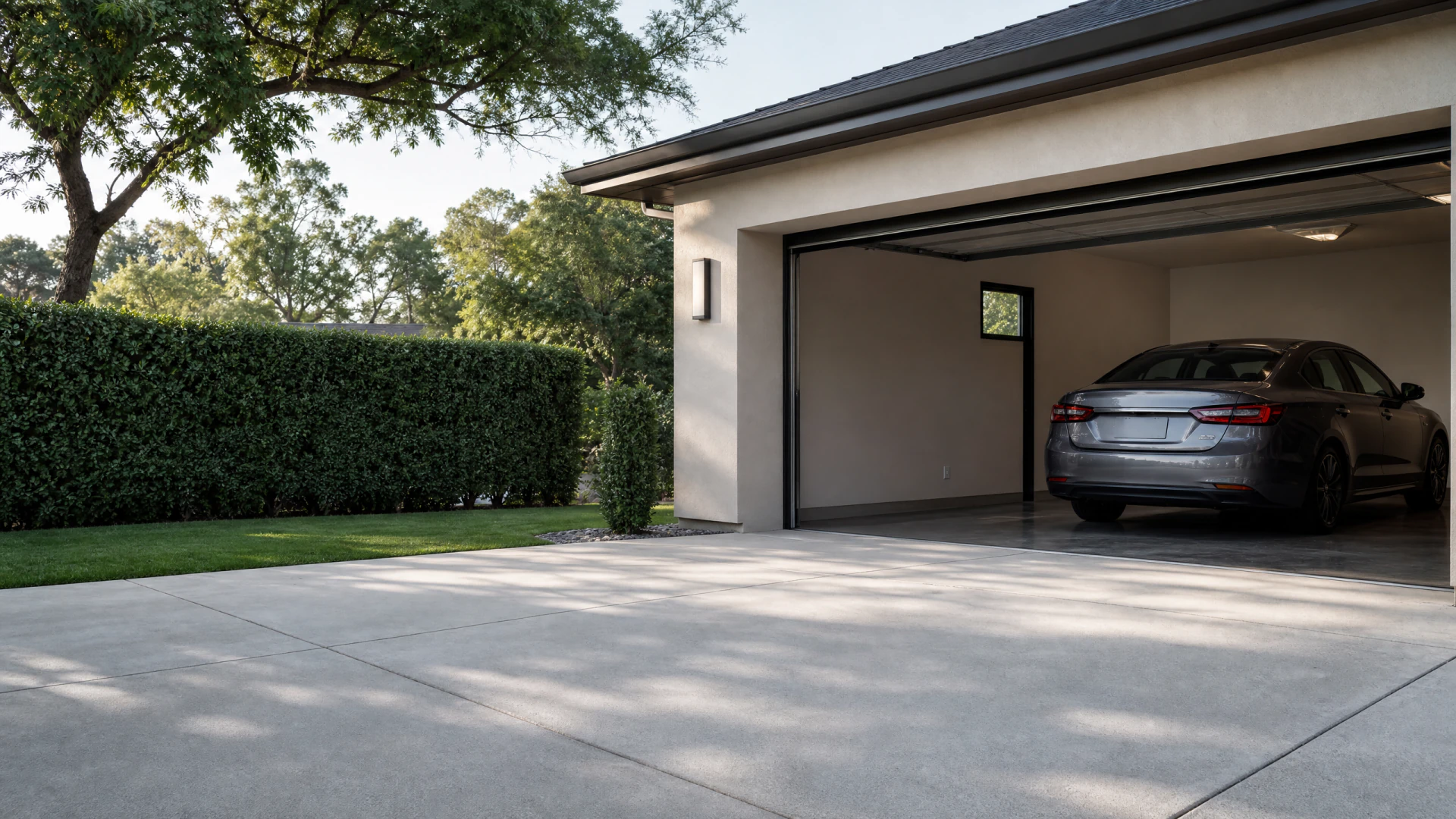
A mother on leave after her second child stopped driving for several weeks while her partner used a different car for errands. She wondered if she could drop collision coverage on her own car since it sat in the garage untouched, and called her insurer to ask.
The insurer explained that her state didn't require full coverage on a parked car, but her auto loan did, since the lender required comprehensive and collision as long as any balance remained. She decided to keep her policy exactly as it was rather than risk violating her loan terms for a small, short-term savings. When she returned to driving the next month, nothing had changed, and she avoided any gap or rate increase that could have followed a lapse.
Insurance protects the car's existence, not its mileage, so parking it doesn't pause the risk.