What Insurance Details to Get After an Accident
Get the other driver's insurance and contact information, photos of everything, and names of any witnesses before you leave the scene.
Free to compare
Why these details matter more than they seem to in the moment
An accident report sits with a police officer, but your insurance claim lives or dies on what you personally collected. Adjusters were not there. They rebuild what happened from photos, names, and numbers, and gaps in that record become gaps in what gets paid.
This matters more right now because you are not just insuring a car anymore. If your child's car seat was in the vehicle, you need proof it was there and proof of the impact, because many policies treat a car seat as compromised after any real collision and replace it regardless of visible damage. Without documentation, that replacement becomes a conversation instead of a simple claim.
The other driver's insurance details decide who pays first. If they are underinsured or deny fault, your own policy's uninsured motorist and medical payments coverage may have to step in, but only if you reported the details that let your insurer make that case. States differ on how long you have to report a claim and what counts as sufficient documentation, so check your policy's timeline as soon as you can.
Witness names matter because stories change. A driver who seems cooperative at the scene may dispute fault once their own insurer gets involved. A neutral witness account, written down while it's fresh, often settles that dispute before it starts.
The short version
Collect the other driver's insurance and license information, photos of all vehicles and the scene, and contact information for any witnesses. This protects your claim and makes sure your child's car seat gets replaced if it was in the vehicle. Do this before you leave, because none of it is easy to get later.

What to collect before you leave the scene
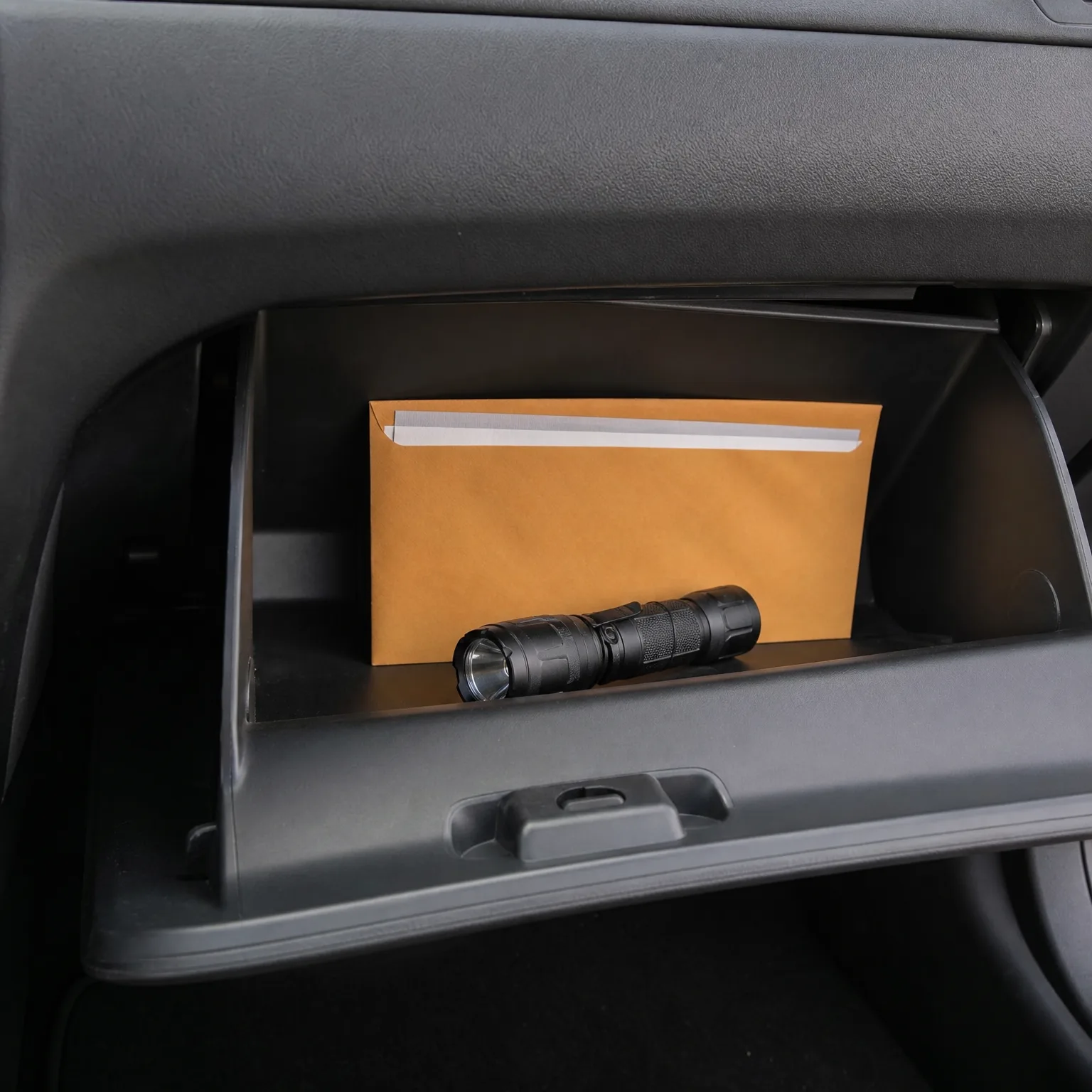
- Other driver's insurance card This gives your insurer who to pursue for payment. Photograph the card directly rather than writing it down, so you don't misread a policy number.
- Photos of every vehicle Wide shots and close-ups protect you if damage is disputed later. Include the car seat's position and any visible impact near it.
- Witness names and numbers A neutral account can resolve disagreements about fault. Ask before they leave, since most people won't come back to offer it.
- Police report number This becomes the anchor document your insurer references. Get it even for minor accidents, since some states require it for certain claims.
- Note the car seat's exposure Tell your insurer the seat was in the vehicle during the crash. Many policies replace a car seat after an accident regardless of how it looks.
Once you know what to document after a crash, compare quotes that make sure a report like that actually pays out.

Do you document the scene thoroughly
If you do
Your claim moves faster because the adjuster isn't guessing. Fault is easier to establish, your car seat gets flagged for replacement, and any dispute with the other driver's insurer has a paper trail behind it instead of two conflicting stories.
If you don't
You're relying on memory and whatever the other driver chooses to admit. Claims slow down, fault gets contested more easily, and proving the car seat was in the car becomes your word against an adjuster's skepticism.

A rear-end collision on the way home from daycare
You're stopped at a light with your toddler in the back when the car behind you doesn't stop in time. No one is hurt, but the impact is hard enough to shove your car forward several feet. Your first instinct is to check on your child, which is right, but once you know everyone is okay, you start documenting before emotions or memories fade.
You photograph both bumpers, the position of the car seat, and the light that was red when you were hit. You get the other driver's insurance card and license, and a man who was waiting at the crosswalk agrees to give you his number as a witness. When you call your insurer, you mention the car seat directly, since you know the impact may have compromised it even without visible cracks. Because you have photos, a witness, and the other driver's information, the claim moves quickly. The other driver's insurer covers the damage, and your own insurer processes the car seat replacement as part of the same claim instead of a separate fight.