What Is Considered Occasional Driving
Occasional driving usually means you drive a vehicle only a few times a month, well below the mileage insurers treat as regular use.
Free to compare
Insurers rate cars on how they're actually used
Car insurance pricing is built around exposure. The more a car is driven, and the more often it's on the road during peak times, the higher the chance it's involved in a claim. Insurers ask about mileage and usage patterns because that exposure is one of the biggest factors in what you pay, right alongside who's driving and what they drive.
What counts as occasional versus regular isn't a fixed number everywhere. Each insurer sets its own thresholds for annual mileage or frequency of use, and some states regulate how those categories can be defined or priced. That's why the honest answer is that you need to check with your specific insurer rather than assume a number that applies everywhere.
For a new parent, this matters because your driving patterns are probably shifting right now. Maybe you're driving less because one of you is on leave and not commuting. Maybe you're driving more because of pediatrician visits, errands you used to combine with work trips, or switching who takes which car. Either direction can move you in or out of an occasional driving category, and that shift is worth reporting.
The exception is when a car sits mostly unused but isn't truly occasional, like a second car kept for backup trips with the baby. Insurers sometimes have a separate low-mileage or pleasure-use category for that, which is different from occasional driving tied to a specific driver. If your situation is unusual, like one parent working from home and rarely driving while the other commutes daily, ask your insurer directly how they'd classify each driver and each car rather than guessing.
A second car that barely leaves the garage
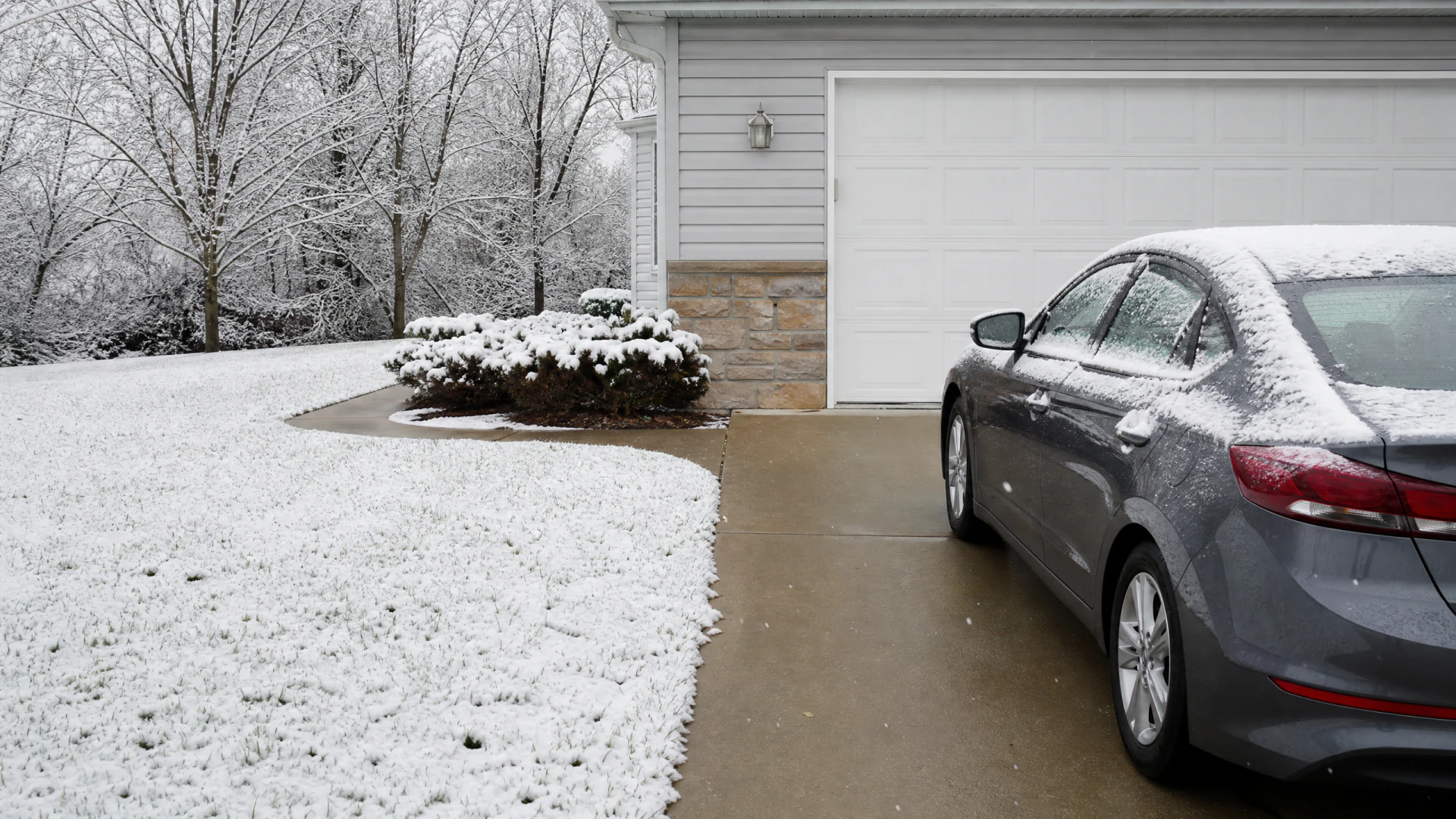
One parent went back to work after leave and resumed a daily commute in the family's main car. The other parent stayed home with the baby for a while and the second car, previously a daily driver, suddenly only left the driveway for pediatrician visits and grocery runs once or twice a week. They weren't sure if that counted as occasional driving or if the policy needed to change at all.
They called their insurer and described the new pattern honestly, including rough mileage estimates for the quiet car. The insurer reclassified that vehicle's usage, which lowered the premium slightly since it no longer matched the assumptions built into the original policy. Nothing about coverage changed, only the usage classification. The lesson for them wasn't that reporting always saves money, it was that an outdated usage assumption on file does nothing for you either way, so it's worth checking any time your routine changes this much.

Whether you tell your insurer your driving has changed
If you do
You give your insurer accurate information to rate your policy on, which can lower your premium if a car is now driven less, or confirm you're properly covered if it's driven more. It also protects you if a claim ever happens, since your usage on file matches reality.
If you don't
Your policy keeps pricing based on outdated assumptions, which might mean you're overpaying for a car now driven far less, or technically misrepresenting usage if it's driven much more than before. Either way, nobody reviews it for you until renewal or a claim forces the question.
Once you know how your driving pattern should be classified, compare quotes to see if your coverage still fits.
What determines whether driving counts as occasional
- Annual mileage Insurers often set a mileage threshold below which a car is considered occasional use. Check your insurer's specific cutoff rather than assuming a standard number.
- Primary versus secondary car A car driven daily for commuting is rated differently from a backup car used a few times a week. If your household now has a clear primary and secondary car, say so.
- Who's driving, not just the car A driver who rarely gets behind the wheel, like a parent on leave, can shift a car's usage category even if the car itself hasn't changed. Report changes in who drives which car.
- Purpose of the trips Short local trips for errands or appointments are often treated differently than a daily highway commute. Describe your actual trip pattern when you talk to your insurer.
- State and insurer rules Definitions and discounts for occasional or low-mileage use vary by state and by company. Ask directly what qualifies and what proof, like an odometer reading, they need.

Does occasional driving qualify for a lower insurance rate?
Often yes, but not automatically. Many insurers offer a lower rate or a specific discount for low-mileage or occasional use, since it lowers your exposure. It's not universal though, so ask your insurer whether they have a program for it and what mileage or usage proof they require. If they do, you may need to verify mileage periodically, sometimes through an odometer reading or a telematics device, to keep the discount.
Do I need to add my baby to my car insurance policy?
No, a baby isn't added to a policy the way a driver is. Car insurance covers people as drivers or as passengers under your liability and medical coverage, not as individually listed dependents. What you should check is whether your medical payments or personal injury protection coverage is enough to cover a passenger, including an infant, in case of an accident, since that's the coverage that would actually apply to them.
What happens to a car seat after a car accident?
Many insurers recommend or require replacing a car seat after any moderate to severe accident, even if it looks undamaged, since the materials can be compromised in ways you can't see. Check whether your policy's property damage or collision coverage extends to replacing a car seat, and ask your insurer directly, since this varies by company and sometimes by state. Keep your receipt and ask for this in writing when you file a claim.