
What Is the Hardest Injury to Prove After a Car Accident
Injuries that don't show up on an X-ray or MRI, like whiplash, nerve damage, and concussions, are the hardest to prove after a crash.
Free to compare

These injuries need extra documentation to hold up
- Soft tissue damage Sprains and strains to muscles and ligaments don't appear on imaging. See a doctor right away and keep every follow-up appointment so there's a paper trail.
- Whiplash Neck and back pain from the jolt of impact is common but hard to verify. Get evaluated within days, even if you feel fine at first, since symptoms often appear later.
- Mild traumatic brain injury Concussions can be missed entirely in an ER visit focused on visible injuries. If you feel foggy, dizzy, or off after the crash, say so and ask for a specific evaluation.
- Chronic pain Pain that lingers for months is easy for an insurer to question without consistent records. Track your pain and limitations regularly instead of only mentioning it at appointments.
- Psychological injury Anxiety, PTSD, or depression after a crash are real but invisible on any test. A mental health provider's documented diagnosis carries far more weight than your own description alone.

The short version
Soft tissue injuries, whiplash, mild brain injuries, and chronic pain are hardest to prove because they don't show up on scans. Insurers lean on that gap to question how real or serious they are. See a doctor immediately, go to every follow-up, and keep your own symptom notes so the record speaks for you.
What if the insurer says my injury isn't real?
This happens often with invisible injuries, and it doesn't mean your claim is dead. Insurers routinely challenge soft tissue and brain injuries because they're cheaper to dispute than a broken bone, not because they have special proof you're exaggerating.
What matters now is building a record they can't easily wave away. That means consistent medical visits, a specialist's diagnosis rather than just an ER note, and your own written log of symptoms and how they've affected daily life. Gaps in treatment or vague complaints give them room to argue. A clear, steady paper trail takes that room away.
If they're still denying a well-documented injury, that's often a sign to get a professional opinion on the claim itself, since the problem may be how it's being presented rather than whether the injury is real.
Knowing which injuries need extra proof, you can compare quotes from insurers that handle injury claims fairly.
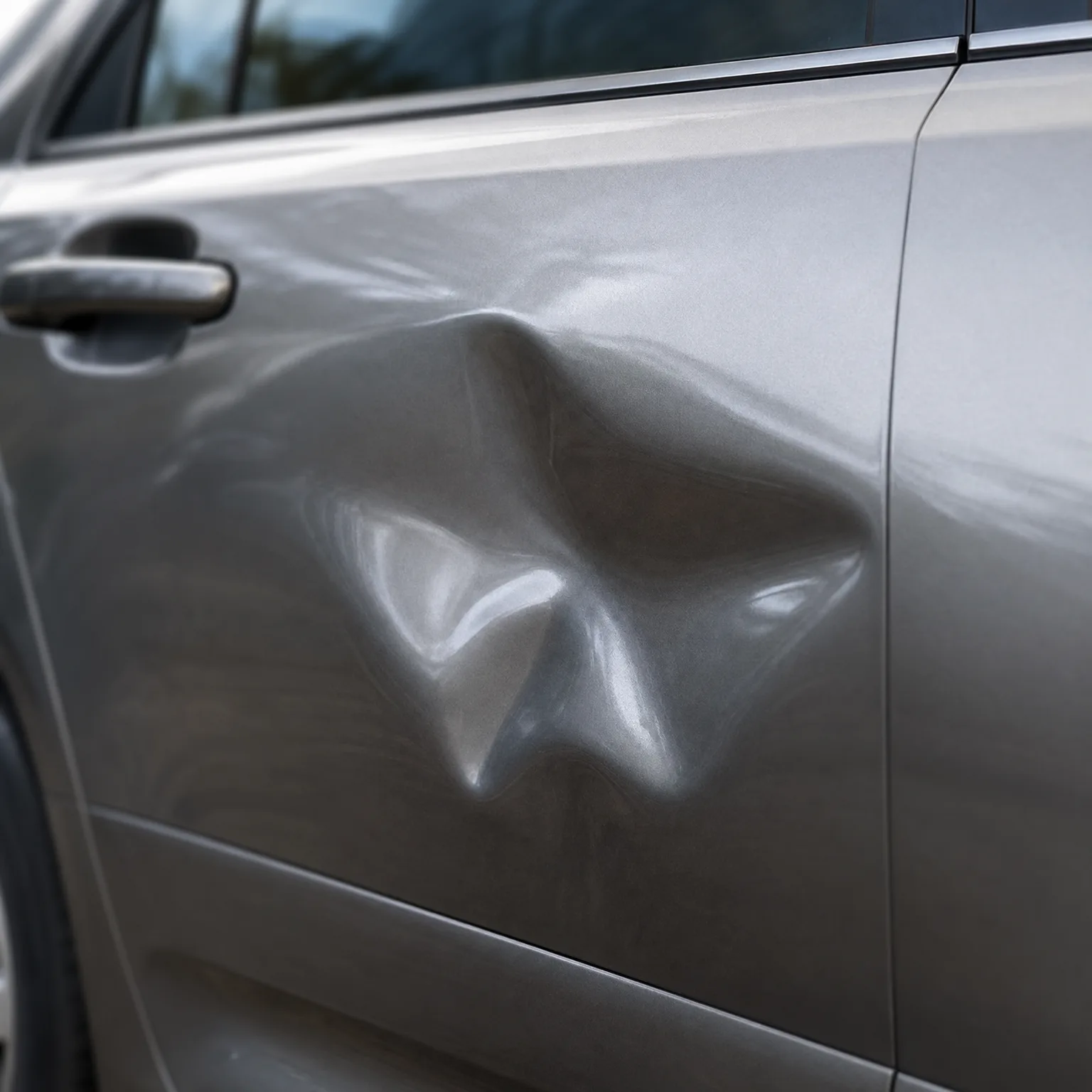
A rear-end crash with no visible damage
You're stopped at a light when someone taps your bumper. There's barely a scratch on either car, so you exchange information and drive home, figuring it's nothing. Two days later your neck is stiff and your head aches, but you hesitate to see a doctor since the accident seemed so minor and you worry it will look like you're overreacting.
You go anyway, and that choice ends up mattering most. The doctor diagnoses whiplash and mild concussion symptoms, and documents them the same week as the crash instead of weeks later. You keep every follow-up appointment and write down your symptoms each night, noting the headaches, the missed work, the trouble concentrating. When the insurer initially questions the claim because the car damage was minor, your doctor's early diagnosis and your consistent records become the evidence that the injury was real and directly tied to the crash, and the claim moves forward.
Why invisible injuries are treated with more suspicion
A broken bone shows up on an X-ray, so there's little room to argue about whether it happened or how severe it is. Soft tissue injuries, concussions, and chronic pain don't offer that kind of proof. They rely on what you report feeling and what a doctor observes over time, which gives an insurer more room to question the claim.
Insurers know these injuries are common after low-speed or minor-looking collisions, and some have internal guidelines that treat them with extra skepticism specifically because they're hard to verify. This isn't about whether your injury is legitimate. It's about how much independent evidence exists to back up what you're saying.
The way to close that gap is consistency. A diagnosis made right after the crash carries more weight than one made weeks later, because time creates doubt about whether something else caused the injury. Regular treatment, rather than a single visit, shows the injury is ongoing rather than minor. Your own notes about pain and limitations, kept at the time rather than reconstructed later, add detail that medical records alone might miss.
How much this affects your claim can depend on where you live and the specifics of your policy or the at-fault driver's coverage, since rules about what you need to prove and how claims are evaluated vary by state. It's worth checking what your state requires and how your insurer or an attorney typically handles these claims before you assume the worst.