What to Tell a Dealership When Trading in a Car
Tell the dealership your loan payoff, your car's condition, and nothing about your insurance plans until the trade value is locked in.
Free to compare
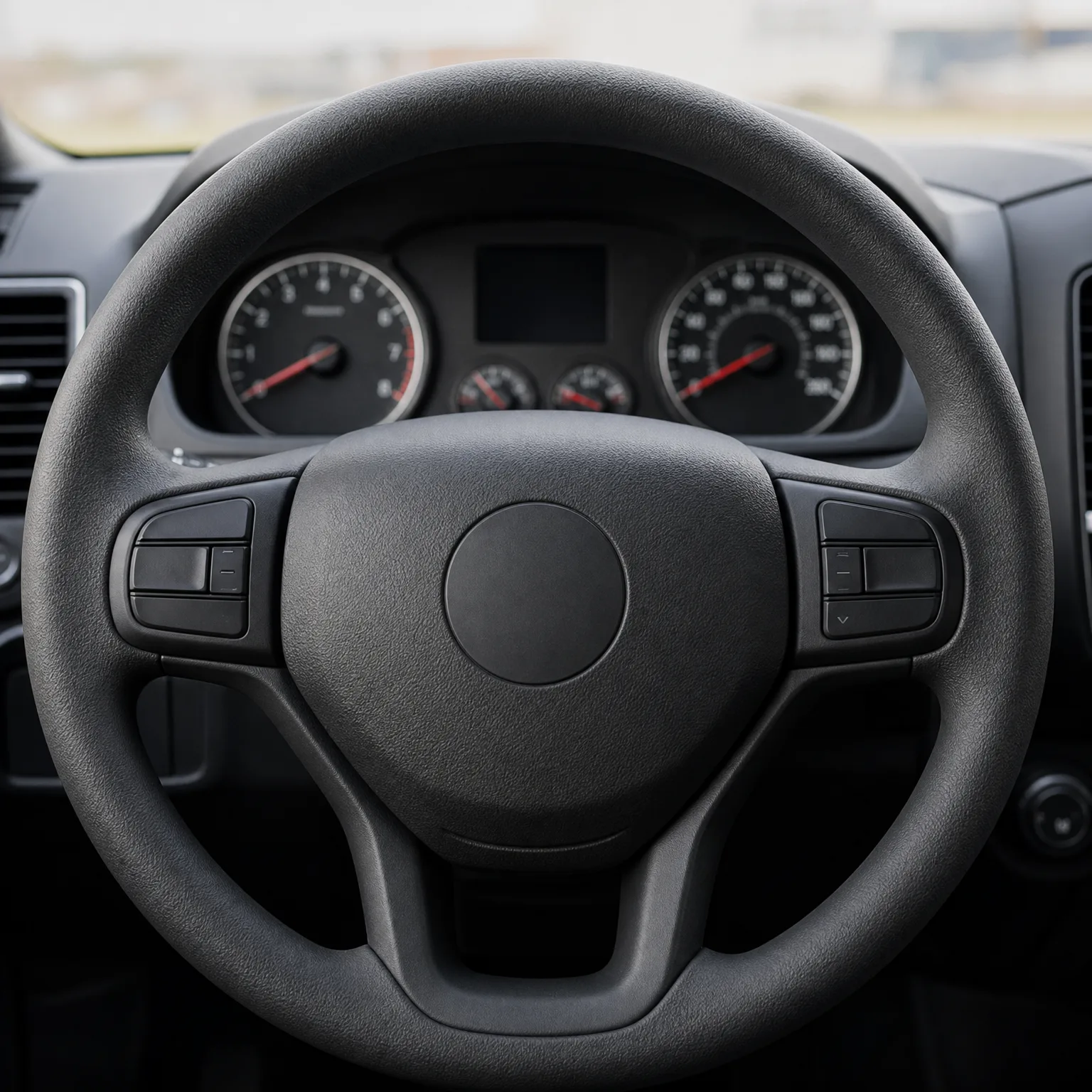
Trading a sedan for an SUV before the baby arrives
A couple expecting their second child decided their two-door sedan wouldn't work with a second car seat. Before visiting the dealership, they called their lender for the exact payoff amount, pulled their maintenance records, and checked their own car's value online so they'd know if an offer was fair. At the dealership, they gave the salesperson their VIN, mileage, and condition details, but stayed quiet about financing, trade-in value they'd researched, or the fact that insurance would need to change.
They let the dealership make an offer first, then negotiated using the numbers they already had. Once the trade value and new car price were settled, they called their insurer to add the new SUV and remove the sedan, timing it so coverage started the same day they drove off the lot. Because they'd kept the trade-in talk separate from financing and insurance, they avoided feeling pressured into add-ons they didn't need. They ended up with a safer car for their growing family and a policy that matched it from day one.

The short version
Tell the dealership your loan payoff amount, your car's mileage and condition, and what you're looking for in a replacement. Don't volunteer your trade-in research, your financing plans, or your insurance situation until the trade value is settled. Call your insurer separately once the deal is done.
Does trading in my car affect my car insurance right away?
Not until you tell your insurer. Your policy follows the car on your declarations page, so if you trade in your sedan for an SUV, your old coverage technically still applies to a car you no longer own until you update it.
Most insurers give you a short window to add a newly acquired vehicle under your existing policy terms, but that window varies by insurer and sometimes by state. Call your insurer the same day you finalize the trade, give them the new VIN, and ask them to remove the old car and add the new one. If you're financing or leasing the replacement, the lender will likely require specific coverage levels, so have that paperwork ready when you call.
Once you know your payoff and your new car's details, compare quotes so coverage is ready when you drive off the lot.

Should you mention your insurance plans at the dealership
If you do
If you tell the dealership you're switching insurers or worried about rates, some finance managers will push gap insurance or extended coverage add-ons framed as necessary. You may end up paying for products bundled into your loan that you could get cheaper, or skip entirely, by handling insurance on your own afterward.
If you don't
If you keep the trade-in negotiation separate from insurance, you negotiate the car's value and price on their own terms. Once you've signed, you call your insurer directly, compare options without pressure, and choose coverage that fits your family's needs instead of what the dealership profits from.
What to share and what to hold back at the dealership
- Loan payoff amount Tell them exactly what you owe so they can calculate your real equity or negative equity. This number comes from your lender, not a guess.
- Vehicle condition and mileage Be honest about dents, wear, and mileage since this affects the offer either way. Hiding issues just means a lower offer once they inspect it.
- Your own trade-in research Don't share the value you found online before they make an offer. Let them name a number first, then negotiate using your research.
- Financing or insurance plans Don't mention you're changing insurers or need a bigger car for a car seat. Save those decisions for after the trade price is finalized.
- Your walk-away number Decide privately what trade value you'll accept and stick to it. Saying it out loud gives the dealership a ceiling to negotiate down from.