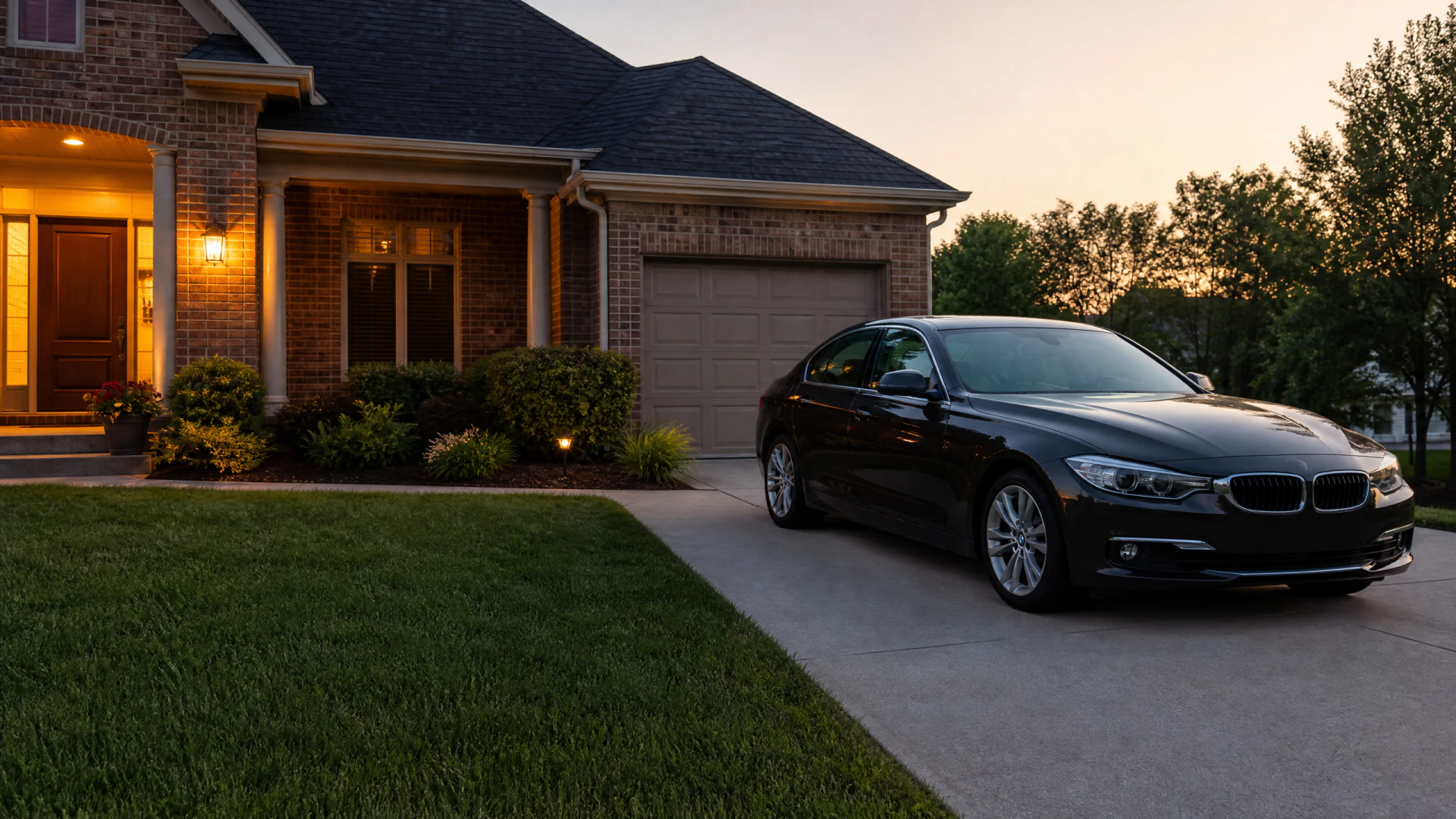
Will My Insurance Change if I Get a New Car
Yes, your insurance changes with a new car, and with a baby on the way, updating it fast matters more than ever.
Free to compare
Your rate is tied to the car, not just you
Your premium is built from a few things working together: you as the driver, the car itself, and how you use it. Swap the car and one whole piece of that equation changes, even if nothing else about your life did. A different car means different repair costs, different safety ratings, different theft rates, and sometimes a different loan or lease that requires specific coverage. Your insurer has to re-rate the policy because the risk they're pricing is now a different vehicle.
This matters especially now because you're not just insuring a car anymore, you're insuring the thing that gets your child from place to place. If you financed or leased the new car, the lender will almost certainly require comprehensive and collision coverage, and probably gap coverage too, regardless of what you carried before. That's not optional the way it might have felt with an older paid-off car.
What varies is how much the price moves and how automatically the switch happens. Some insurers roll a new car onto your existing policy with a quick call or app update and prorate the difference. Others want a new application entirely, especially if the car is a different class, like going from a sedan to an SUV. Check with your specific insurer on their process and deadline for reporting a vehicle change, because driving an unreported new car can leave you underinsured if something happens before the paperwork catches up.
The other variable is timing. If you're trading in a car, there's often a grace window where the new car is covered under your old policy's terms, but that window differs by state and by insurer. Don't assume you're covered the same way for the same length of time everywhere. Confirm it directly instead of guessing, especially with a baby's safety riding in that car.
What to check before you drive the new car home
- Report the vehicle change Your insurer needs the new car's details to rate it correctly. Do this before you drive off the lot, not after, so there's no gap in what's actually covered.
- Confirm lender requirements A loan or lease usually requires comprehensive, collision, and sometimes gap coverage. Ask your lender directly what they require so your policy meets it from day one.
- Recheck your liability limits With a child depending on you, low limits carry more risk than they used to. Decide now if you want to raise them, since a new car is a natural point to revisit this.
- Ask about the grace period Some policies extend coverage briefly to a new car before you formally add it. Find out your insurer's exact window so you're not driving uninsured without knowing it.
- Re-shop if the car class changed Switching from a sedan to an SUV or minivan can shift your rate more than expected. Get a fresh quote instead of assuming your old premium still applies.
Will my premium go up or down with the new car?
It depends on the car, not on the fact that it's new. A vehicle with a higher price tag, more horsepower, or a higher theft rate usually raises your premium. A car with strong safety ratings, lower repair costs, or better anti-theft features can lower it, even compared to an older car you've had for years.
What actually changes your price is the profile of the specific car you're buying, so the honest answer is you won't know until you get a quote on that exact vehicle. If you're choosing between a few options, ask for quotes on each before you commit, since the insurance cost can meaningfully affect which car makes sense for your budget right now.
Once you know how the new car changes your coverage, compare quotes to find the right policy before driving it home.

Reporting the new car to your insurer
If you do
You give your insurer the new car's details right away. They re-rate your policy, confirm the coverage your lender requires is in place, and you get a clear answer on your new premium. If anything happens, you know exactly what's covered, which matters a lot with a child riding along.
If you don't
You keep driving on a policy written for a car you no longer own. If you're in an accident, your insurer may deny the claim or cover it as if you still had the old vehicle, leaving you to pay repair or replacement costs yourself, right when you can least afford the surprise.
Trading a sedan for an SUV before the baby arrives
A couple expecting their first child traded in their two-door sedan for a midsize SUV, mainly for the extra space and higher safety ratings. They called their insurer the same week to report the change, since they didn't want any gap in coverage before the car seat even went in. The insurer asked for the VIN, confirmed the loan details, and walked them through what coverage the lender required.
Their premium went up slightly because the SUV cost more to repair, but it came with a safety discount that softened the increase. They also used the moment to raise their liability limits, something they'd been meaning to do since finding out they were expecting. By the time the baby came home from the hospital, the policy matched the car, the coverage matched their new reality, and they didn't have to think about any of it again for a while.