Am I Insured to Drive Someone Elses Car
In most cases yes, the car's own insurance covers you first, but permission and your own policy both matter.
Free to compare
What decides whether you're covered
- Did they say yes Permission is the foundation of coverage. If the owner told you it was fine to drive, their policy generally responds first if something happens.
- Whose policy pays first The car's insurance is primary, yours is secondary. If damage or injuries go beyond what their policy covers, your own policy can step in to cover the rest.
- Regular use changes things If you drive this car often, like a parent's or partner's car, insurers may expect it listed on a policy. Ask the owner to check with their insurer before it becomes routine.
- Your car seat rides with you A car seat involved in any real crash needs replacing, no matter whose car it was in. Check both policies for how that gets covered before you need it.
- State rules on permissive use How permissive use works can vary by state and by insurer. Ask the car's insurer directly what their policy says about drivers who aren't the owner.
Borrowing your sister's car for a pediatrician run
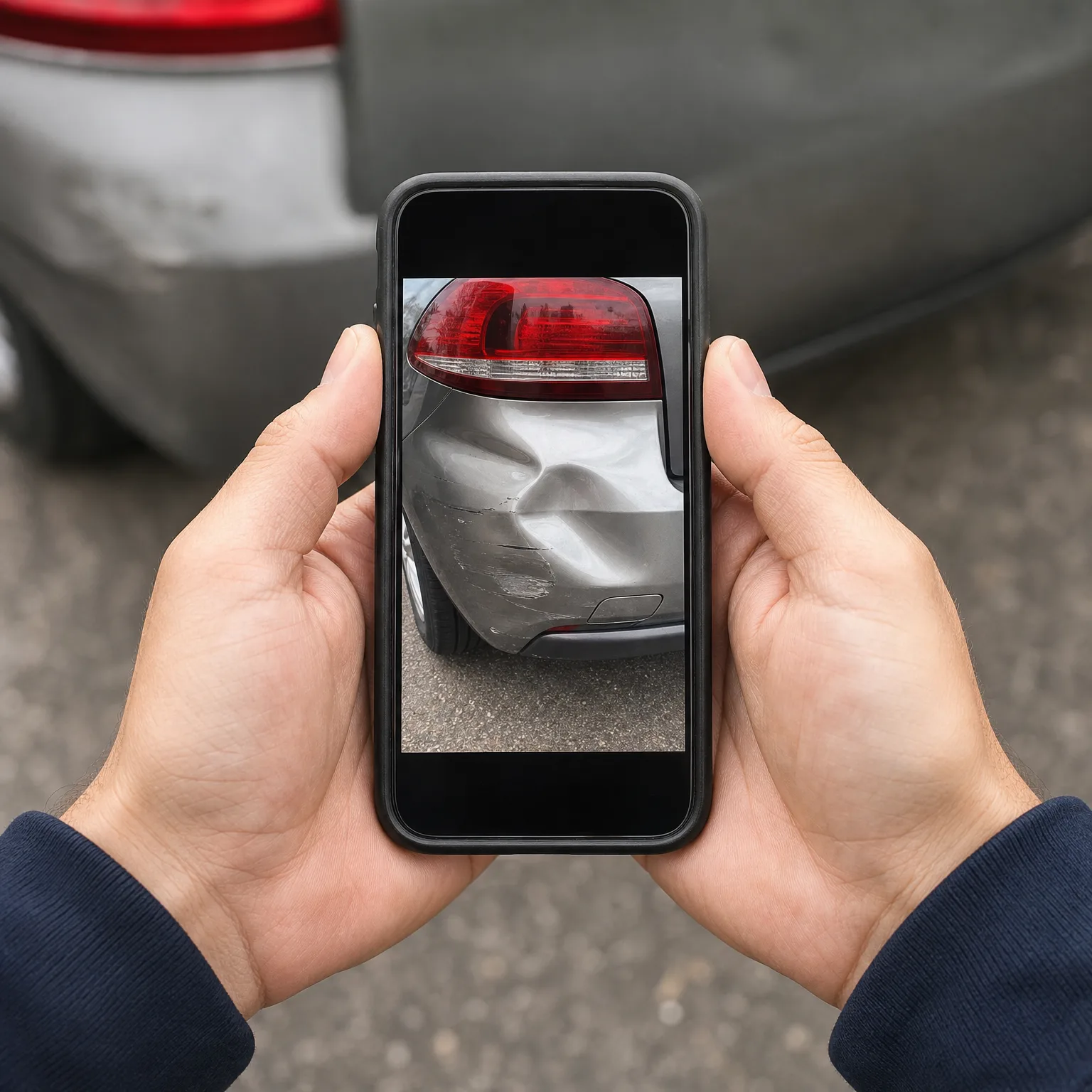
Your car is in the shop and your sister lends you hers for the week while you're taking your newborn to appointments. You ask her first, she says go ahead, and you don't think much more about it. On the way home from one visit, another driver rear-ends you at a stoplight.
Her insurance is primary since it's her car, so her policy pays for the damage and any medical costs from the crash. The amounts are within her limits, so your own policy never gets involved. The car seat was in the back seat during impact, so you replace it immediately rather than reusing it, and you check with her insurer about whether that's covered under the claim. Because she gave clear permission and the crash wasn't your fault, the whole thing resolves through her policy without touching your rates at all.

Whose name is on the policy matters less than whether you had permission to drive.
Once you know how borrowed-car coverage works, compare quotes to make sure your own policy backs you up when it matters.

Should you get added to a car you drive often
If you do
Being listed means the insurer already expects you behind the wheel. Claims go smoothly, there's no question about permission, and your coverage lines up with how the car is actually used, which matters once a child is riding along regularly.
If you don't
If you only drive occasionally, you probably don't need to be listed. But if it's becoming routine, like driving a partner's car daily, an insurer could question coverage after a claim, leaving you to sort it out at the worst possible time.
Does my insurance cover me in a rental car with my baby?
Often yes, since many policies extend to rental cars the same way they would your own. Check your policy for rental car coverage specifically, since some policies limit it or exclude certain situations. If you're renting for a trip with your baby, confirm liability and medical coverage apply, and consider whether you need supplemental coverage from the rental company for extra peace of mind.
Should I raise my liability limits now that I have a baby?
Many new parents do raise limits, since you now have a dependent and more at financial risk if you cause a serious accident. Check what your current limits are and compare them to your assets and future earnings. If your limits are low, raising them is usually inexpensive relative to the protection it adds, especially now that someone depends on your income.
Does insurance cover a car seat damaged in an accident?
Usually yes, car seat replacement after a crash is often covered under your auto policy's personal property or collision coverage. Check your specific policy, since some have separate limits or require you to request it specifically. Always replace a car seat after any real collision regardless of coverage, since the seat's safety can't be guaranteed once it's absorbed an impact.