Can You Drive Another Persons Car with Your Own Insurance
Usually yes, since insurance typically follows the car, so your policy still backs you up when you borrow someone's vehicle.
Free to compare
What decides whether you're covered borrowing a car
- Permission matters most If the owner says yes, you're generally treated as a permitted driver under their policy. Always ask first and keep it casual but clear, especially now that you're driving precious cargo.
- Your policy can still apply Your own insurance often steps in as secondary coverage if the owner's policy isn't enough. Check your policy's language on this before you need it, not after.
- The car seat matters too Car seat coverage usually depends on which policy responds to the claim. Ask both insurers directly how a car seat in a borrowed car gets handled if there's a crash.
- Regular use changes things If you drive this car often, like a co-parent's or grandparent's car for childcare runs, insurers may expect that car listed on a policy. Tell your insurer about regular borrowing so a claim doesn't get denied.
- State rules aren't identical How primary and secondary coverage interact varies by state and by insurer. Call your insurer and ask exactly how borrowing works under your specific policy.
When grandma's car seat covered the gap
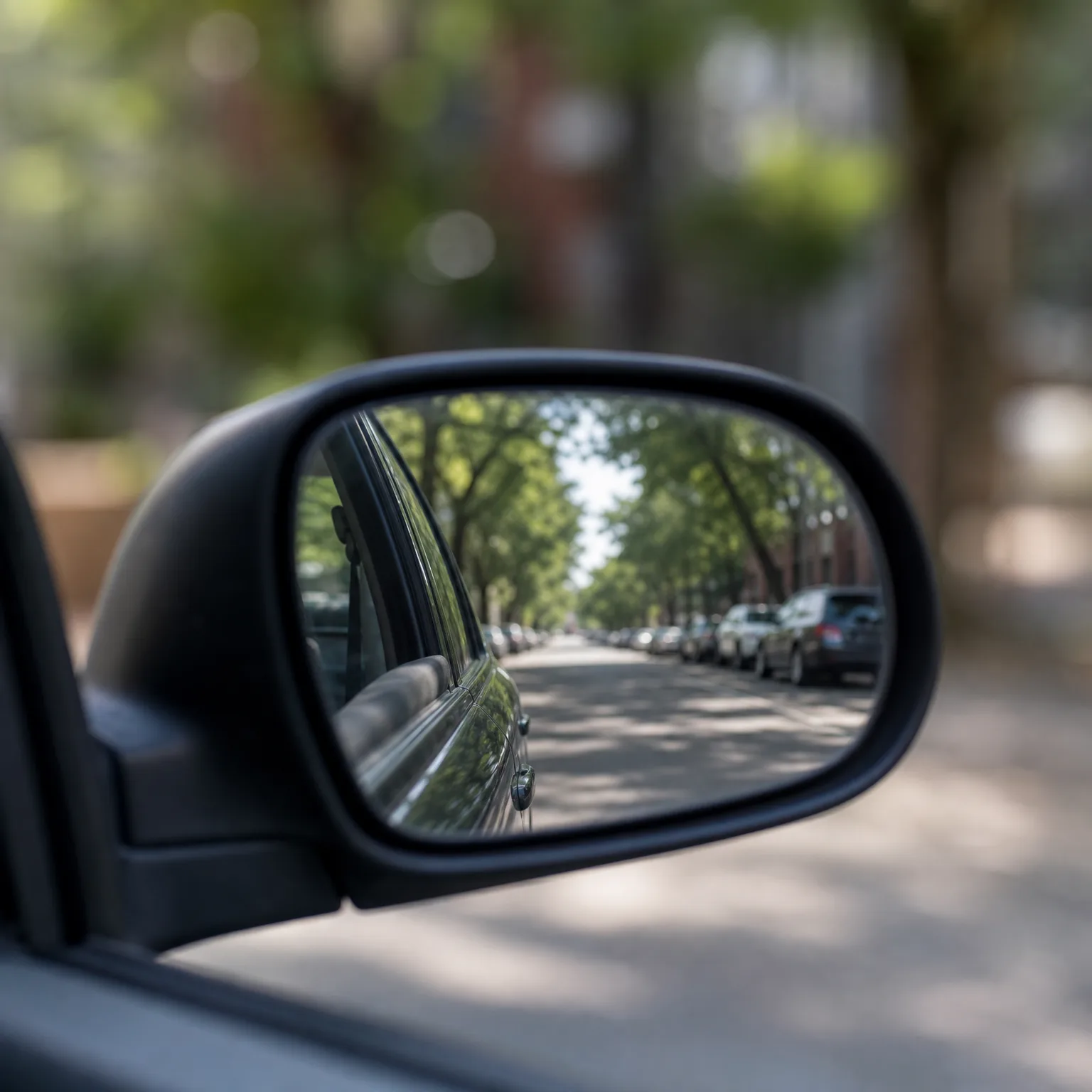
A new father needed to borrow his mother in law's sedan for a week while his car was in the shop after a minor fender bender. He had just installed a car seat in his own car and had to move it into hers for the week. Before doing anything, he called his mother in law and confirmed she was fine with him driving it regularly during that stretch, and he also texted his own insurer to ask how coverage would work if something happened while he had her car.
His insurer explained that her policy would respond first since insurance generally follows the vehicle, and his policy would only step in if her limits ran out. He asked specifically about the car seat, since his daughter would be riding in it the whole week, and learned that most insurers replace a car seat that was in any vehicle during a covered accident, regardless of whose car it was. Nothing went wrong that week, but he said the five minute call gave him real peace of mind. He kept the insurer's name and the mother in law's insurance information in his glovebox the whole time, just in case.
Now that you know your coverage travels with permission, compare quotes to make sure your own policy backs you up fully.
What if the owner's insurance refuses to pay and mine has to cover everything?
This happens when the owner's coverage is too low, lapsed, or excluded for some reason, like the car being used for something outside normal personal use. In that case your policy usually becomes primary instead of secondary, and you're responsible for whatever damage or injury happened up to your own limits.
This is exactly why your own liability and medical coverage levels matter so much right now. With a baby on board, you want enough coverage that even in a worst case scenario, like borrowing a car with a lapsed or thin policy, your own insurance can absorb the loss instead of leaving you exposed. Ask your insurer directly what your limits would need to be to feel protected in that situation.

Whether you ask the owner before you borrow the car
If you do
You confirm permission, which is the single biggest factor insurers look at after a crash. You also get a chance to ask about their coverage limits and whether their policy has lapsed, so you're not guessing later. Any claim moves faster and smoother because everyone agrees you were allowed to drive.
If you don't
If there's an accident and the owner says they never agreed to lend the car, insurers may treat you as an unauthorized driver. That can mean denied claims, no coverage for the car seat, and you personally owing for damage or injuries. It's a risk that's easy to avoid with one phone call.
Does my insurance follow me or the car when I drive someone else's vehicle?
Insurance generally follows the car first, then your own policy as a backup. The owner's policy is typically primary, meaning it pays out first up to its limits, while your policy can cover any gap beyond that.
Check your policy's declarations page or call your insurer to confirm this is how your specific policy is written, since wording differs between insurers. This changes if the owner's policy has lapsed or excludes certain drivers, which would shift primary responsibility to you.
Do I need to add my spouse or partner to my policy before they drive my car?
If they live with you and drive your car regularly, most insurers expect them listed on your policy. This matters a lot with a new baby, since both parents may be swapping cars for appointments or errands more than before.
Call your insurer and describe how often each of you will drive the other's car now. They'll tell you whether listing a driver is required or just recommended, and this answer can differ by insurer even within the same state.
Is a rental car covered the same way as borrowing a friend's car?
Not exactly, because rental cars often involve a separate agreement with the rental company that interacts differently with your personal policy. Your personal auto policy may still extend some coverage, but rental companies also sell their own coverage add-ons at the counter.
Check with your insurer before renting to see what's already covered, especially if you're renting a larger car to fit a car seat more comfortably. This avoids paying for overlapping coverage you don't need.