Can I Buy Gap Insurance Through a Dealership
Yes, you can buy it at the dealership, but it's almost always cheaper through your car insurance company first.
Free to compare
Trading up for a bigger car after the baby arrives
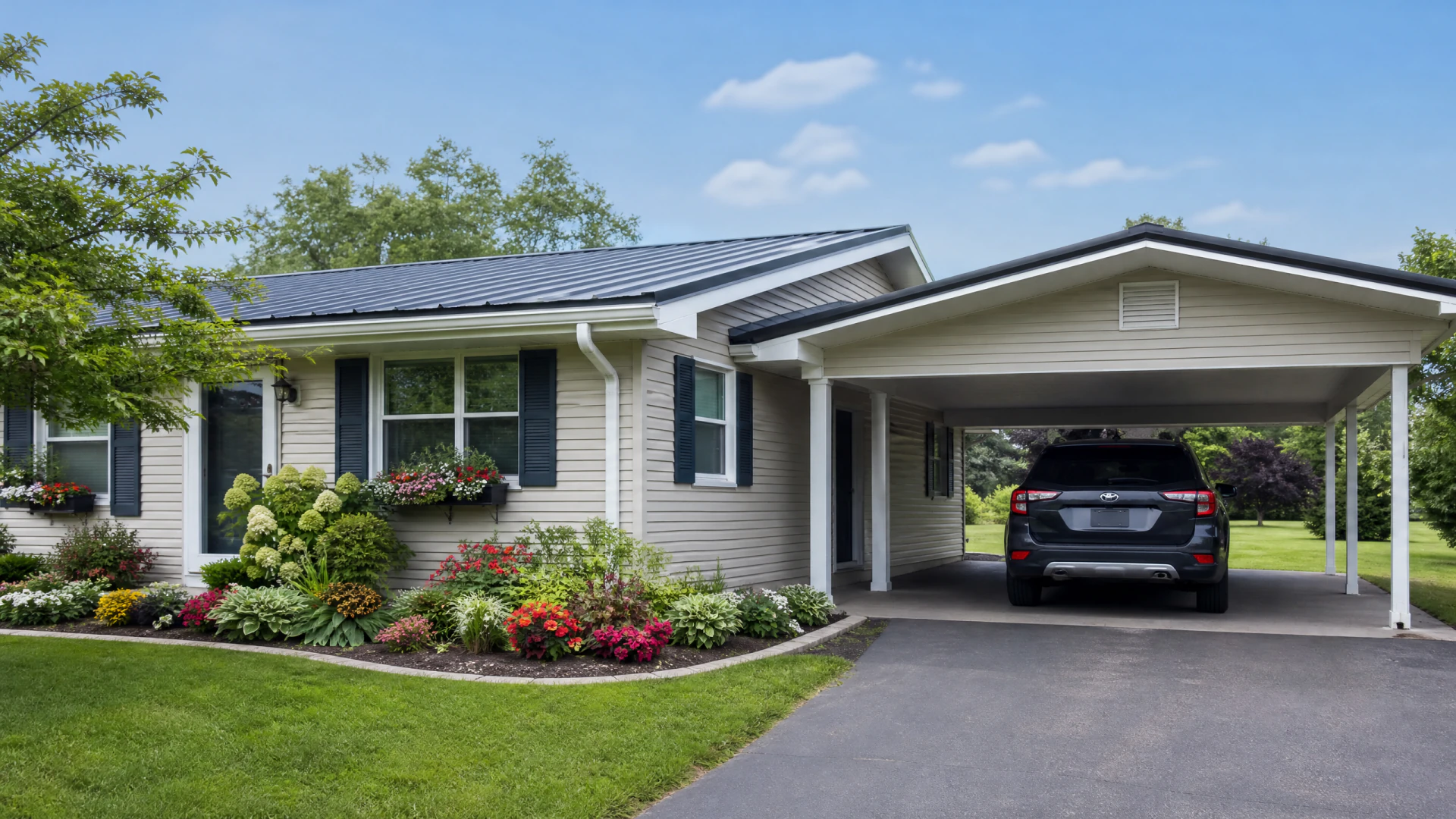
You traded in your sedan for an SUV right before the baby came, rolling over some negative equity from the old loan into the new financing. At the finance desk, the manager offered gap coverage for the life of the loan, paid upfront, bundled into the monthly payment. It sounded convenient since you were already signing a stack of papers and didn't want another task on your list.
Instead, you asked for a day to decide, which the dealership allowed. That night you called your auto insurer and asked what gap coverage would cost added to your existing policy. It came back lower per month than the dealership quote, and you could cancel it once you'd paid down enough of the loan. You called the dealership back and declined their add-on, then added gap coverage through your insurer before driving the new car home. The new car seat went in that weekend, and you felt better knowing the loan was covered if the worst happened.
What happens to gap coverage if I refinance the car loan later?
Gap coverage tied to a specific loan often doesn't automatically carry over if you refinance, so you need to check it separately when that happens. Dealership gap policies are sometimes written around the original loan terms, and refinancing can leave you with a new loan amount and a policy that no longer matches it correctly.
If you bought gap through your auto insurer instead, it typically just covers the difference between your car's value and whatever you owe, regardless of which loan is active. That tends to make it easier to carry through a refinance without a gap in protection. Either way, anytime your loan terms change, call whoever holds your gap policy and confirm the coverage still lines up with the new numbers.

The real choice isn't whether to get gap coverage, it's where you buy it and what that location charges.
Compare gap coverage pricing from your auto insurer against the dealership quote before you sign anything.

What to check before you say yes at the finance desk
- Ask your insurer first Call your auto insurance company before you finalize anything at the dealership. Gap coverage added to your existing policy is usually billed monthly and often costs less than the dealership's one-time fee.
- Know the payoff structure Dealership gap is often paid in one lump sum rolled into your loan, which means you pay interest on it too. Ask exactly how it's billed so you're comparing real costs, not just monthly payments.
- Check your state's rules Some states regulate how dealership gap waivers can be sold and whether they're called insurance at all. Ask the dealership directly what type of product they're offering and whether your state treats it differently.
- Confirm it matches your loan Gap coverage only works if it matches your actual loan amount and term. Bring your loan paperwork and make sure whoever sells you the coverage, dealership or insurer, applies it correctly.
- Ask about cancellation Find out if you can cancel the gap coverage once your loan balance drops below your car's value. Dealership policies sometimes make this harder than coverage added through your regular insurer.
Why the dealership option usually costs more
Dealerships can sell gap coverage because they're acting as a middleman between you and an insurance company or a warranty-style product, and they build in a markup for arranging the sale. That markup pays for the convenience of signing everything in one visit, but it also means you're often paying more for the exact same protection you could get elsewhere.
When you add gap coverage through your auto insurer instead, it gets folded into your existing policy with less overhead. The insurer already has your driving history and vehicle information on file, so there's less administrative cost built into the price. That's usually why the same coverage costs less when purchased this way.
There are cases where dealership gap makes sense anyway. If your insurer doesn't offer gap coverage in your state, or if you're financing through a lender that requires proof of gap coverage at signing, the dealership option might be the only one available at that moment. Some buyers also value locking in the coverage immediately rather than making a separate call afterward, especially during a stressful week like bringing a new baby home.
The general rule holds across most states, but how gap products are regulated and sold does vary locally. Some states cap how dealerships can price these add-ons or require clearer disclosure of the terms. Check with your insurer and read the dealership paperwork closely so you know exactly what you're comparing before you commit to either option.