Gap Coverage on a New Family Car
If you financed or leased this car and put little down, gap coverage protects the money you'd otherwise owe on a car that's gone.
Free to compare

Check these before you decide on gap coverage
- How much you owe If your loan or lease balance is higher than the car's current value, a payout after a total loss can leave you owing the difference. Pull up your loan statement and compare it to what similar cars are selling for.
- Your down payment size A small down payment means the loan value drops slower than the car's value at first. If you put down little or rolled over an old loan, gap coverage matters more right now.
- Lease terms specifically Many leases require gap coverage, sometimes already built into the payment. Check your lease paperwork before buying it separately so you don't pay for it twice.
- Length of your loan Longer loans take longer to catch up to the car's dropping value, so the gap stays open longer. If you financed for many years, keep gap coverage until the balance and value cross.
- Where to add it Gap coverage is usually added through your auto insurer or at the dealership, and prices and rules differ between the two. Ask your insurer first since dealership gap coverage often costs more for the same protection.
The short version
If you owe more on the car than it's worth, gap coverage pays that difference after a total loss, which your regular policy won't do. This matters most with a small down payment or a long loan term. Compare your loan balance to the car's value now, and add gap coverage through your insurer if there's a gap.
Do I still need gap coverage once the baby's car seat is in the car?
The car seat itself doesn't change whether you need gap coverage. That decision is about your loan balance versus your car's value, not about who or what rides in it. But a new car seat, especially one bought new to replace a damaged one, is usually covered separately under your policy's personal property or accessory provisions, not gap coverage.
What changes around a new baby is often the car itself. If you traded up to a bigger or safer car and financed most of it, you've likely reset the gap between loan and value, which makes gap coverage more relevant now than it was before. Check your new loan terms and down payment the same way you would for any other car purchase.
Once you know whether you owe more than your car is worth, compare quotes with gap coverage added where it's needed.


Trading a sedan for an SUV before the baby arrives
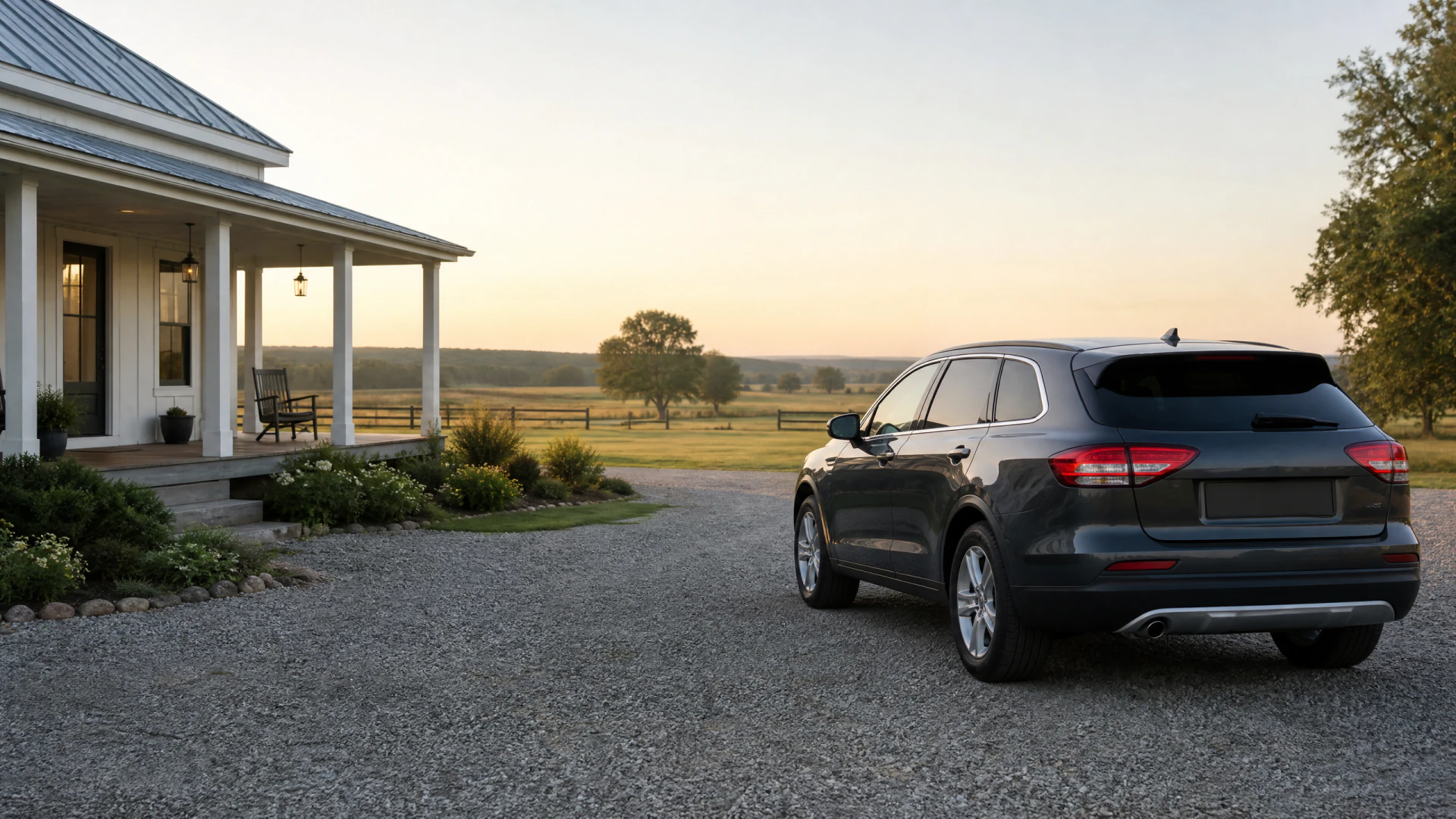
A couple expecting their first child traded in their sedan for a larger SUV two months before the due date. They put down a modest amount and financed the rest over a long term to keep the monthly payment manageable while one income was about to pause for parental leave. The dealership offered gap coverage at signing, but they held off to check with their own insurer first.
When they called their insurer, they learned that adding gap coverage to their existing policy cost less than the dealership's price for the same protection. They compared their loan balance to the SUV's value and saw a real gap because of the small down payment and long loan term. They added gap coverage through their insurer before driving off the lot, then revisited it a year later once the loan balance caught up with the car's value and the gap had mostly closed.

The size of your down payment, not the size of your family, is what decides whether you need gap coverage.