Is Gap Insurance Good for Used Cars
Gap insurance is worth it for a used car when you financed more than the car is currently worth, not just because it's used.
Free to compare
What decides whether you need gap coverage
- Loan balance vs. value Check what you owe against what the car is worth right now. If the loan is bigger, gap coverage pays that difference if the car is totaled.
- Down payment size A small or no down payment means you owe more than the car's worth for longer. A bigger down payment closes that gap faster and may make this coverage unnecessary.
- Loan length Longer loans keep you owing more than the car's value for more of the loan term. Shorter loans close that gap sooner, so check how many years are left.
- How fast this car depreciates Some used cars lose value faster than others even after their steepest drop early on. Look up how this specific make and model holds value before deciding.
- Where you bought the coverage Gap coverage can come from your insurer, the dealer, or the lender, and the price and terms differ. Compare what each one actually covers before buying.
A family buys a three year old sedan before the baby arrives
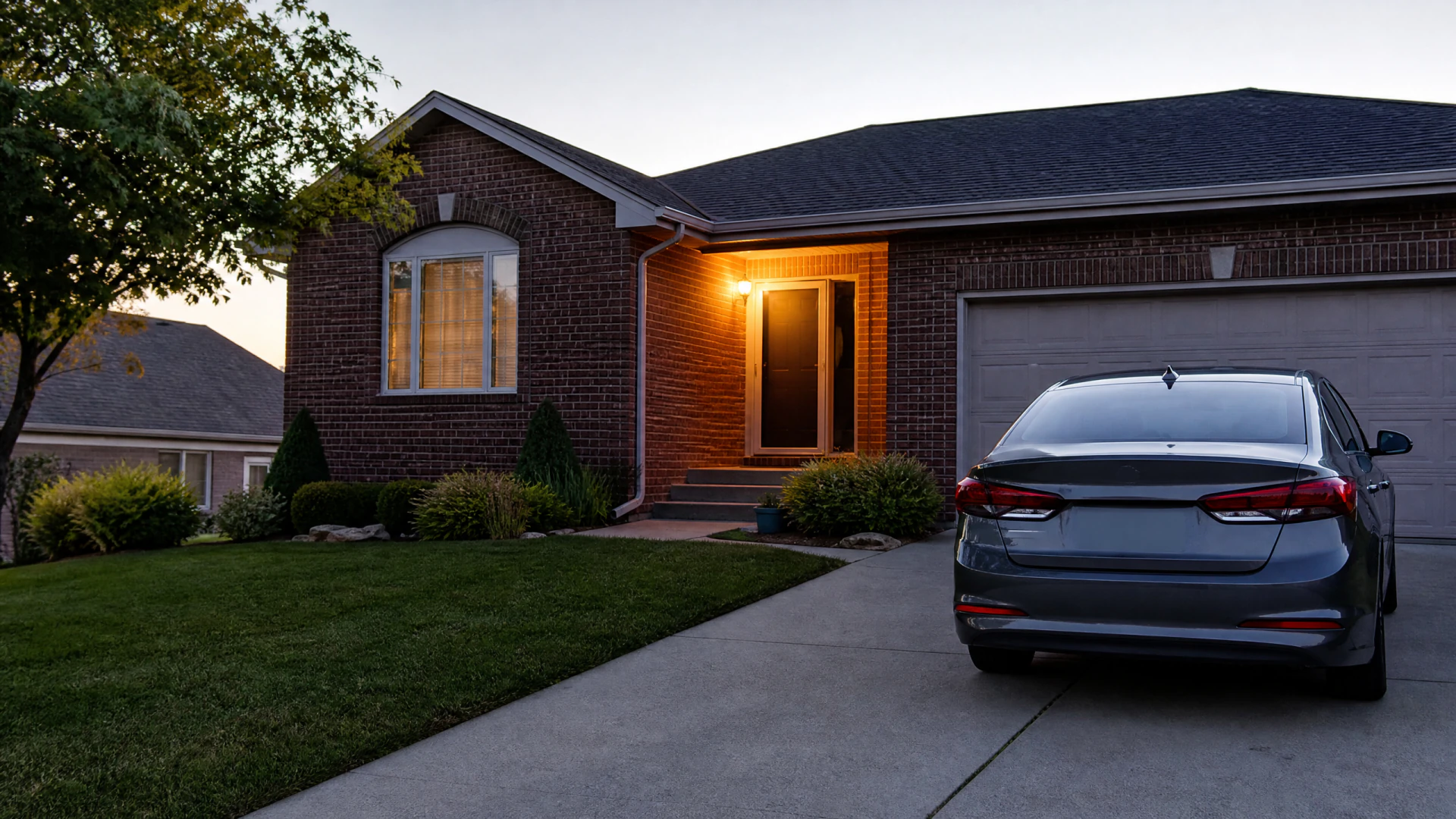
A couple trading up from a two door car to something that fits a car seat found a three year old sedan priced right for their budget. They put down a modest amount and financed the rest over a longer loan term to keep the monthly payment manageable while one of them planned to take unpaid leave. The loan covered most of the car's price, including tax and fees rolled in.
When they asked about gap coverage, they checked their loan balance against the car's current value and found they owed noticeably more than it was worth, mostly because of the fees financed into the loan. They added gap coverage through their insurer rather than the dealer after comparing both and finding the insurer's version cheaper with the same terms. A few months later a separate fender bender made them glad they'd checked. The car wasn't totaled, but running the numbers showed them exactly how exposed they'd have been, and they kept the coverage going into the next year.

Compare quotes now that you know whether gap coverage fits your loan and your car.
How long should I keep gap insurance on a used car?
Keep it until your loan balance drops below the car's actual value, then drop it. This usually happens sooner on a used car than a new one, since someone already absorbed the steepest early depreciation before you bought it.
Check this every several months rather than guessing. Pull your loan payoff amount and compare it to the car's current market value using a pricing guide. Once the payoff is lower than the value, gap coverage isn't protecting you against anything anymore, and paying for it is just an extra cost with no real benefit.
The car being used doesn't decide this. What you owe compared to what it's worth does.
Does gap insurance cover a car seat after an accident?
No, gap insurance only covers the difference between your loan balance and the car's value if it's totaled. A car seat involved in a moderate or severe crash should be replaced regardless, and that cost falls under your regular auto policy's personal property or med pay provisions if covered at all, not gap coverage. Check your policy directly for how it handles child safety equipment after a crash.
Should I raise my liability limits now that I have a baby?
Probably yes, since your passengers and your financial exposure both just increased. Higher limits protect your savings and future income if you're found at fault in a serious accident involving your child or another family. Check your state's minimum requirements and compare them to what you'd actually lose if a lawsuit exceeded your current coverage.
Do I need to add my baby to my car insurance policy?
Not as a driver, but you should tell your insurer about the new passenger and ask how it affects your coverage. Some insurers adjust recommendations around medical payments or personal injury protection once a child is riding regularly. Check whether your state requires or offers coverage specifically for passenger medical costs, since that varies by insurer and state.