Can I Claim Whiplash as a Passenger
Yes, as a passenger you can claim for whiplash, usually through the insurance of whichever driver caused the crash.
Free to compare
Why passengers have an easier claim than drivers
As a passenger you didn't control either car, so fault almost never falls on you. That simplifies things. The claim goes against the at-fault driver's liability coverage, and if you were riding with the driver who caused the crash, it goes against their own policy. If the other driver caused it, it goes against theirs.
Whiplash is treated as a real injury even though it doesn't show up on an X-ray. Insurers rely on documentation, so what matters is that you were seen by a doctor close to the time of the crash and that your symptoms are written down consistently afterward. Gaps in treatment or vague descriptions give an adjuster room to argue the injury wasn't serious or wasn't caused by the accident at all.
Where it gets different is when both drivers share fault, or when you were riding with a family member whose policy you're also covered under in some other way. Some states limit how passengers can claim against a household member's policy, so check how your state handles claims between people who live together or are related, since that can change who you actually file against.
If you were pregnant or had your child in the car, say so explicitly when you report the injury. It doesn't change whether you can claim, but it changes how carefully the claim should document impact, movement, and ongoing symptoms, because adjusters expect more detail when a claim involves a child's safety.
A rear-end crash with a baby in the back seat
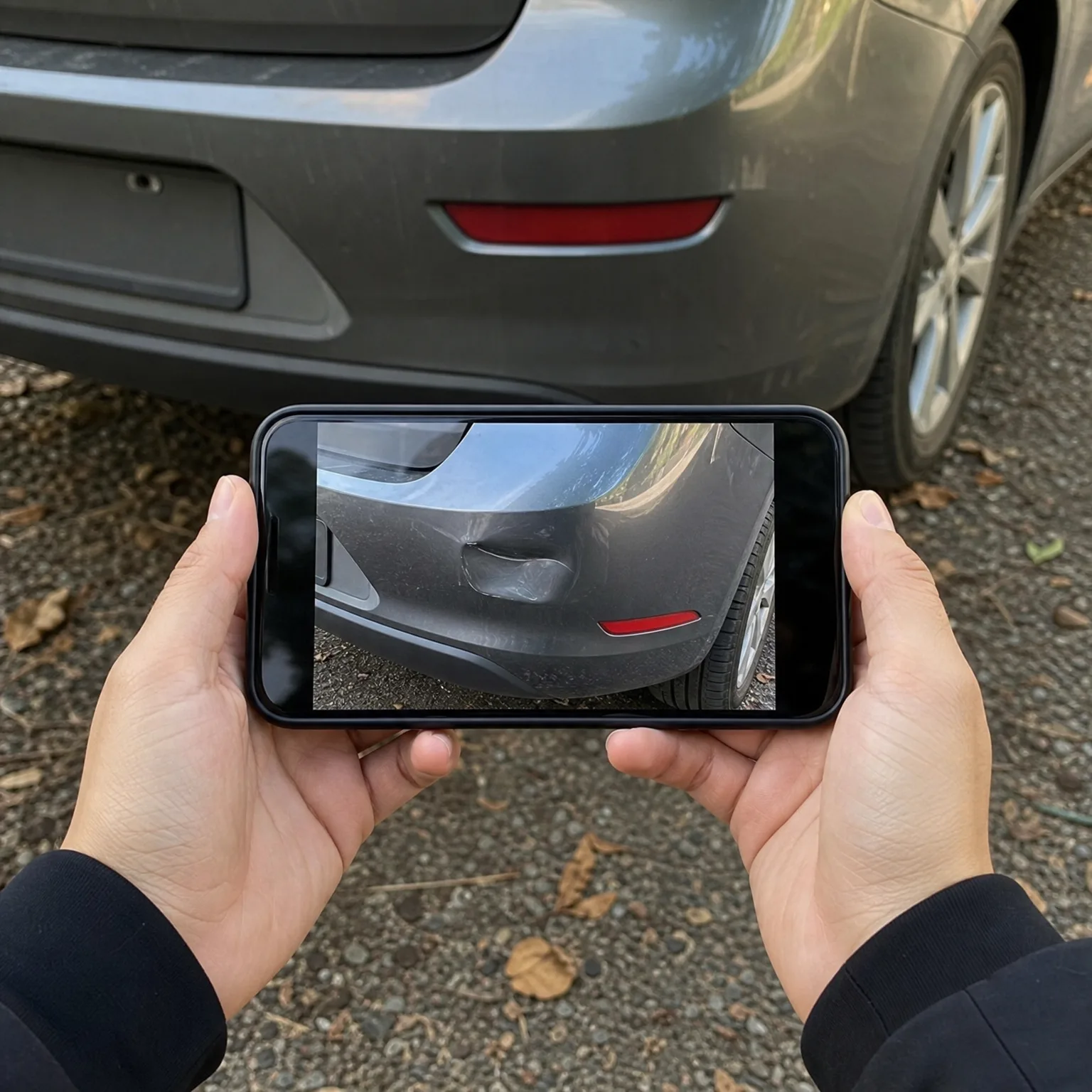
You were in the passenger seat, your partner was driving, and another car rear-ended you at a stoplight while your baby was in the car seat behind you. You felt neck pain and stiffness by that evening. You went to urgent care the next morning, got checked, and were told it was consistent with whiplash. You also had the car seat inspected, since it had been in a crash, and documented that in the same file.
You filed your injury claim against the other driver's liability coverage, since they were found at fault. The adjuster asked for your medical records and the urgent care notes showing when symptoms started. Because you went in quickly and kept a short log of pain and missed activities over the following weeks, the claim moved without much pushback. The car seat replacement was handled separately through the property damage portion of the claim, not the injury claim, which surprised you until it was explained.

The claim isn't risky for you, waiting to see a doctor is.
Once you know whose policy covers your injury, compare quotes to protect your family the way you now need to.

Seeing a doctor right after the crash
If you do
You create a medical record that ties your symptoms directly to the crash date. That record becomes the backbone of your claim, making it harder for an adjuster to argue your pain came from something else or developed later for unrelated reasons.
If you don't
Your symptoms may still be real, but there's no documentation linking them to the accident. Insurers can argue the delay means something else caused the pain, and you may end up fighting to prove a connection you could have established easily.
What actually decides whether your claim succeeds
- Who was at fault Fault determines whose insurance pays your claim. If it's shared between drivers, check how your state handles split-fault claims, since that can reduce what you recover.
- How fast you got treated Seeing a doctor within a day or two matters more than the whiplash itself. Delay gives the insurer a reason to doubt the injury is connected to the crash.
- Your own documentation Keep a simple log of pain, missed work, and daily limits. This becomes evidence later, so write it down as it happens instead of relying on memory.
- The car seat, separately A car seat in a crash should be replaced regardless of your injury claim. Handle that through the property damage claim, not your medical one.
- Household policy limits If you're riding with a spouse or partner, check whether your state restricts passenger claims against a household member's policy, since this varies.