What Proof Is Needed for a Whiplash Claim
A solid whiplash claim rests on medical records, a documented accident, and a clear link between the two.
Free to compare
These five records carry a whiplash claim
- Early medical evaluation A doctor's exam soon after the accident ties your symptoms to that day. Waiting weeks gives the insurer room to argue something else caused your pain.
- Ongoing treatment notes Physical therapy or follow-up visits show the injury is real and lasting, not a one-time complaint. Keep every appointment and ask for copies of your records.
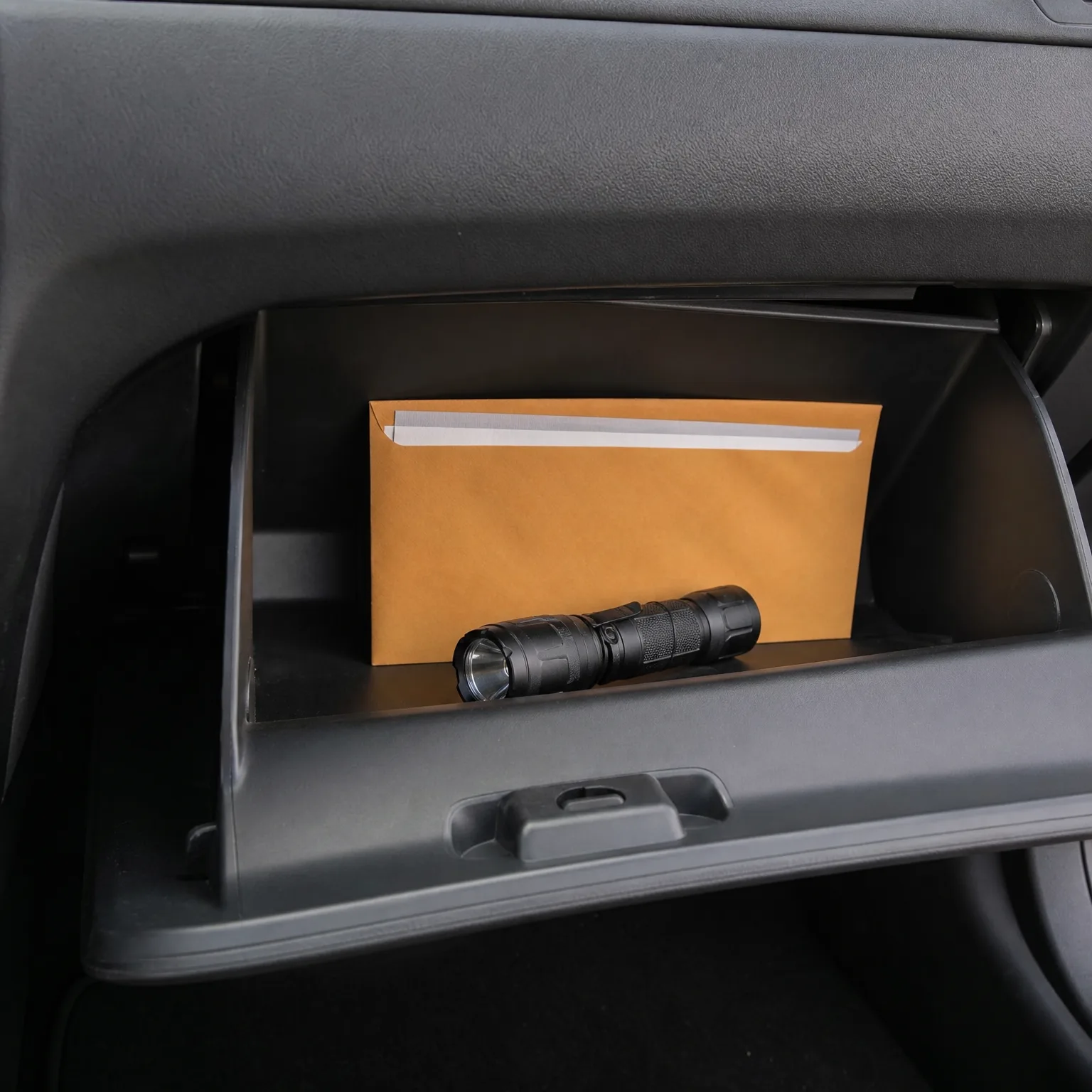
- Police or accident report This establishes when and how the crash happened, which supports your timeline. Request a copy from the responding agency if you don't already have one.
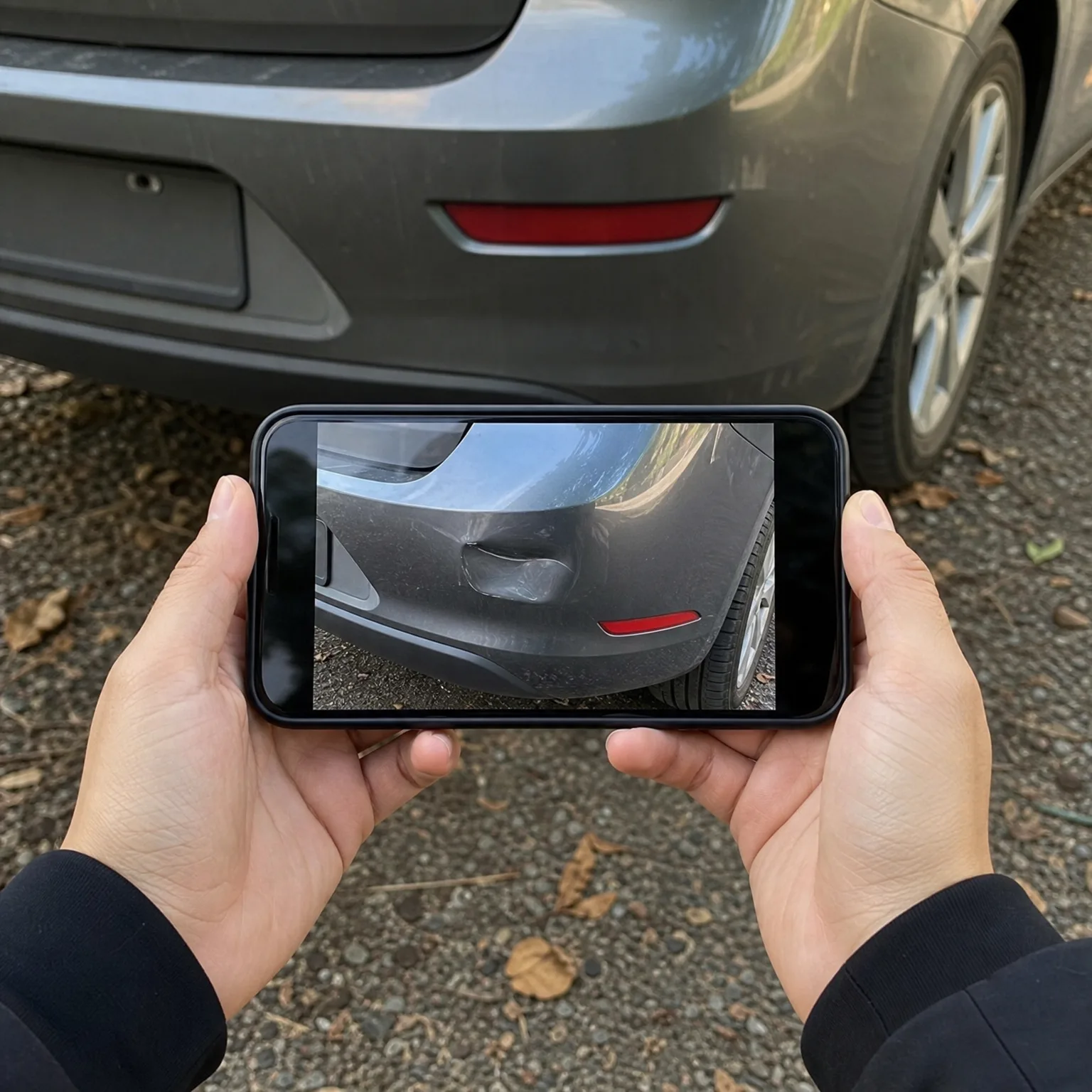
- Photos of vehicle damage Pictures of both cars help show the force of impact, which insurers use to judge whether whiplash is plausible. Take them before repairs begin if you can.
- A symptom journal Daily notes on stiffness, headaches, or sleep trouble show how the injury affects your life, especially with a newborn's demands. Start this the day symptoms begin.

A rear-end crash on the way home from a pediatrician visit
You're stopped at a light with your three-month-old in the back seat when another car taps your bumper. Nobody seems hurt and the baby is fine, so you exchange information and drive home. Two days later your neck is stiff and you can barely turn your head to check the car seat buckle, so you see a doctor who diagnoses whiplash and documents your range of motion.
You keep going to physical therapy twice a week, even though juggling appointments with a newborn is exhausting, because you know gaps in treatment can weaken the claim. You also pull the accident report and take photos of the dent in your bumper before the body shop fixes it. When you file the claim, the insurer has a clear record: the exam right after impact, the consistent treatment, and physical evidence of the collision. The claim is paid without a fight, and you use part of it to cover the childcare you needed during your recovery.

Once you know what documentation your claim needs, compare quotes to make sure your coverage actually pays for it.

Seeing a doctor right away versus waiting to see if it gets better
If you do
You get an exam that links your symptoms to the crash while the timeline is still clean. Your medical record starts early, which makes the insurer's job of disputing the cause much harder, and you start treatment before pain limits your ability to lift or carry your baby.
If you don't
Gaps between the accident and your first exam give the insurer an opening to say something else caused your pain, like poor sleep or lifting a car seat. Your claim gets weaker the longer you wait, even if your pain is completely genuine.
What if my whiplash symptoms didn't start until days after the accident?
This is common and doesn't ruin your claim, but it does mean you need to see a doctor the moment symptoms appear rather than waiting to see if they pass. Whiplash often takes some time to fully show up, since inflammation builds gradually, so insurers and doctors both expect a short delay between the crash and your first complaint.
What matters most is that you don't let too much time pass once you notice stiffness, headaches, or pain. A long, unexplained gap before any medical visit is harder to account for than a short one. If you can, mention in your medical visit that symptoms began shortly after the crash and describe exactly when you first noticed them, since that detail becomes part of your permanent record and helps connect the injury back to the accident.

A whiplash claim is only as strong as the paper trail you build in the first few days after the crash.