Do Insurance Companies Still Pay Out for Whiplash
Yes, insurers still pay whiplash claims, but how much you get depends on documentation, not just the diagnosis.
Free to compare
Why whiplash claims still get paid, and why some pay less than others
Whiplash is a real, recognized injury, and insurers know that soft tissue damage from a rear-end collision or sudden stop is common and expected. Adjusters are trained to evaluate these claims using medical records, treatment history, and how consistent your symptoms are with the crash itself. The claim doesn't get denied just because there's no broken bone or visible damage to show for it.
What changes the payout is proof. Insurers look for a gap between the accident and when you first saw a doctor, because a long gap suggests the injury might be unrelated or minor. They also look at whether treatment continued on a reasonable schedule or stopped abruptly, since gaps in care read as recovery, whether or not that's what actually happened. If you were pregnant or recently gave birth, your body was already under strain, and documenting that context matters because it explains the severity of your symptoms rather than letting the insurer assume you're exaggerating.
State law shapes some of this too. In states with strict rules around minor injury claims, you may need to hit a certain threshold of treatment or cost before you can claim pain and suffering, not just medical bills. Other states don't have that threshold at all. Check your state's rules, or ask the insurer directly, because this changes what kind of settlement is realistic.
The other variable is who's paying. Your own insurer, the other driver's insurer, and a case built through an attorney all evaluate the same injury differently, weighing cost, liability, and how strong your documentation is. A whiplash claim with thorough records and steady treatment tends to get paid closer to what it's actually worth, while a thin file invites a lower offer regardless of how much pain you're in.

A rear-end collision with a car seat already installed
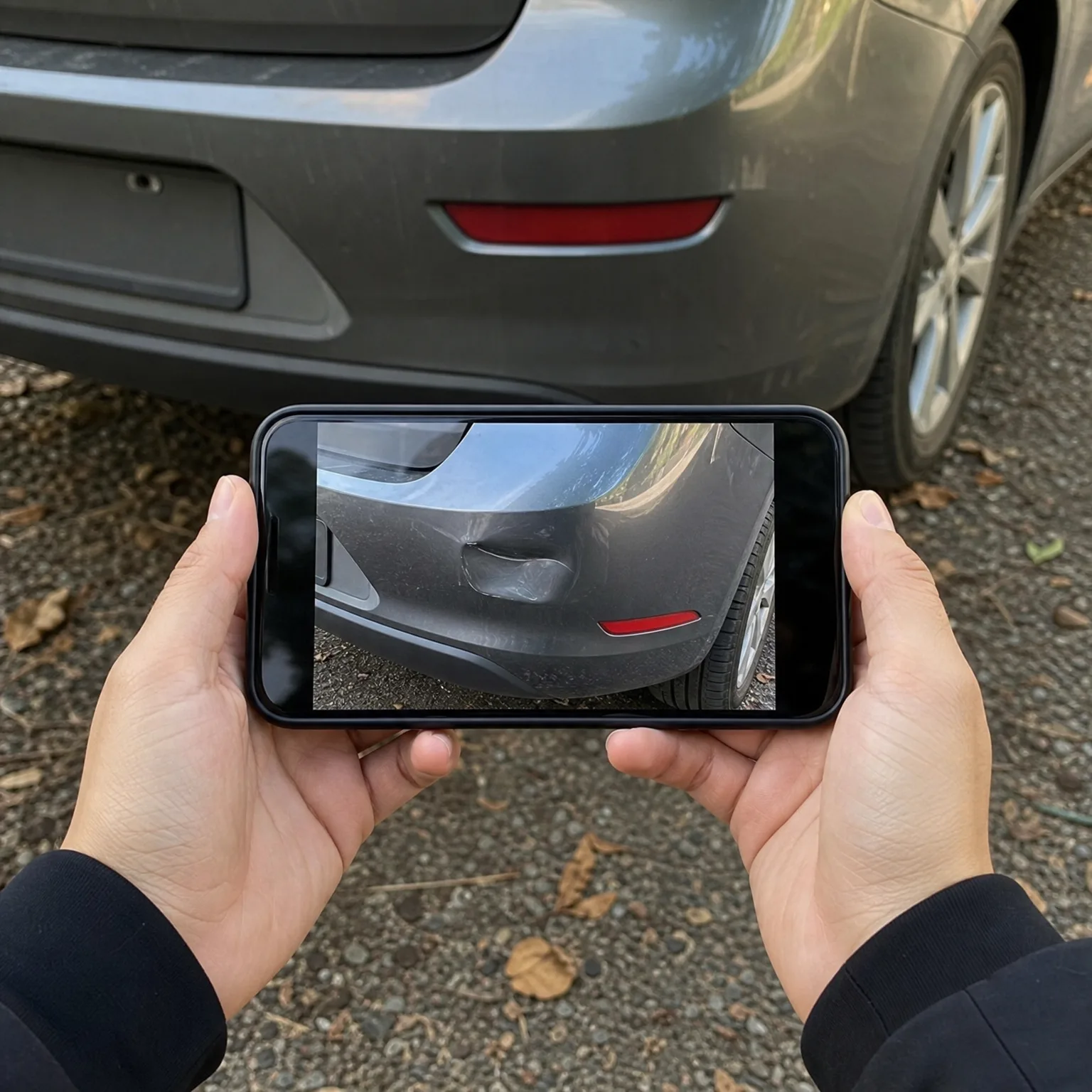
A driver stopped short at a light and the car behind them didn't brake in time. The impact was moderate, the car seat held up fine, and the baby seemed unaffected, but the parent in the driver's seat felt neck stiffness by that evening. They went to urgent care the next morning instead of waiting to see if it passed, because they'd read that gaps in treatment hurt claims later.
The doctor diagnosed whiplash and recommended physical therapy, which the parent followed for several weeks, going to every appointment even as sleep and childcare made it exhausting to keep up. When they filed the claim, they included the urgent care visit, the PT records, and a short note explaining that caring for a newborn while in pain had been physically harder than normal, which added context the adjuster used to understand the injury's real impact. The other driver's insurer initially offered a low settlement based on the modest property damage, but the parent's attorney pushed back using the complete treatment record, and the claim settled for an amount that covered the medical costs and the missed work during recovery. The car seat was replaced separately, since it had been in a crash regardless of how minor the impact looked.

Whether you see a doctor right after the crash
If you do
You create a medical record that ties your symptoms to the accident, which is the single strongest piece of evidence in any whiplash claim. Early treatment also means you start recovering sooner. If an insurer ever disputes your claim, you have dated records showing the injury was immediate and real.
If you don't
Without an early exam, you have no record linking the crash to your pain. If symptoms show up days later, which is common with whiplash, the insurer may argue something else caused it. Waiting also delays treatment, so recovery can take longer and symptoms can get worse before they improve.
Compare quotes now that you know what actually makes a whiplash claim hold up.


What actually determines whether your claim gets paid in full
- See a doctor fast The sooner your symptoms are on record, the stronger your claim. Go within a day or two of the crash, even if the pain feels minor at first.
- Keep every appointment Gaps in treatment look like recovery to an adjuster, even if you were just busy or in pain elsewhere. Finish the treatment plan your doctor sets.
- Document the context Pregnancy, postpartum recovery, or caring for a newborn while injured all affect how hard recovery actually is. Mention it, it shapes how the claim is read.
- Know your state's threshold Some states require a minimum of treatment or cost before you can claim pain and suffering. Check this early so you know what kind of settlement to expect.
- Replace the car seat separately A car seat in any crash should be replaced regardless of visible damage. Ask whether your policy covers this or if it's a separate claim.

The claim isn't judged by how much pain you're in, it's judged by how well that pain is documented.