Difference Between Full Coverage and Liability on a Car
Liability covers the other person's car and injuries, while full coverage also pays to fix or replace your own car.
Free to compare
Liability protects other people, full coverage protects your car too
Liability insurance exists because every state requires drivers to be able to pay for harm they cause someone else. It covers the other driver's medical bills, their car, and sometimes other property, but it was never built to touch your own vehicle. If you only carry liability and you cause a crash, your own car's repair or replacement cost comes out of your pocket.
Full coverage is not one single thing. It's the common name for pairing liability with two other coverages, one for collisions with another car or object, and one for everything else that can happen to a parked or stationary car, like theft, fire, or a tree branch. Add those to liability and you've covered both directions, the harm you cause and the harm your own car suffers.
Which one makes sense depends on what you're protecting. If your car is older and worth little, paying extra to insure it against damage may cost more over time than just replacing it would. If you just took on a loan or lease, or you're driving a newer car with a child riding in it, the calculation changes, because you can't afford to be without a working car while you cover a repair yourself.
Lenders usually require full coverage on a financed or leased car, so you may not get a choice either way. If you own your car outright, it's your decision alone, and it should be based on what you could actually afford to replace out of pocket if your car were totaled tomorrow.
The short version
Liability pays for damage you cause to someone else. Full coverage adds protection for your own car, whether from a crash or something like theft or weather. With a baby arriving and a car seat installed, check how easily you could cover your own vehicle out of pocket before deciding which one fits your situation.
A parent switching from liability to full coverage before the due date
A father expecting his second child was driving a paid-off car with liability-only coverage. He'd kept it that way for years since the car was old and cheap to replace. With a newborn due and a new infant car seat installed, he realized that if someone hit him, liability wouldn't pay a cent toward fixing or replacing his own car, and he'd be left arranging rides to appointments and work with no vehicle and no payout.
He compared the cost of adding collision and comprehensive coverage against what he'd have to pay to replace the car himself. The extra cost was worth it to him, not because the car was valuable, but because being without any car for weeks with a newborn at home felt like the real risk. He switched to full coverage two weeks before the birth and kept the same deductible he could comfortably afford if he ever needed to use it.
Once you know which coverage actually fits your car and your family's situation, compare quotes for it.

Whether you add full coverage before the baby arrives
If you do
You're protected if your own car is damaged or totaled, from a crash, theft, or weather. If something happens on the way to an appointment or during a sleepless newborn errand, you can get the car fixed or replaced without paying the full cost yourself, keeping you mobile when you need it most.
If you don't
You're only covered for harm to others. If you cause a crash or your car is damaged some other way, repairing or replacing it is entirely on you. With a new baby and possibly one income, an unexpected repair bill or a stretch without a car can hit much harder than it would have before.
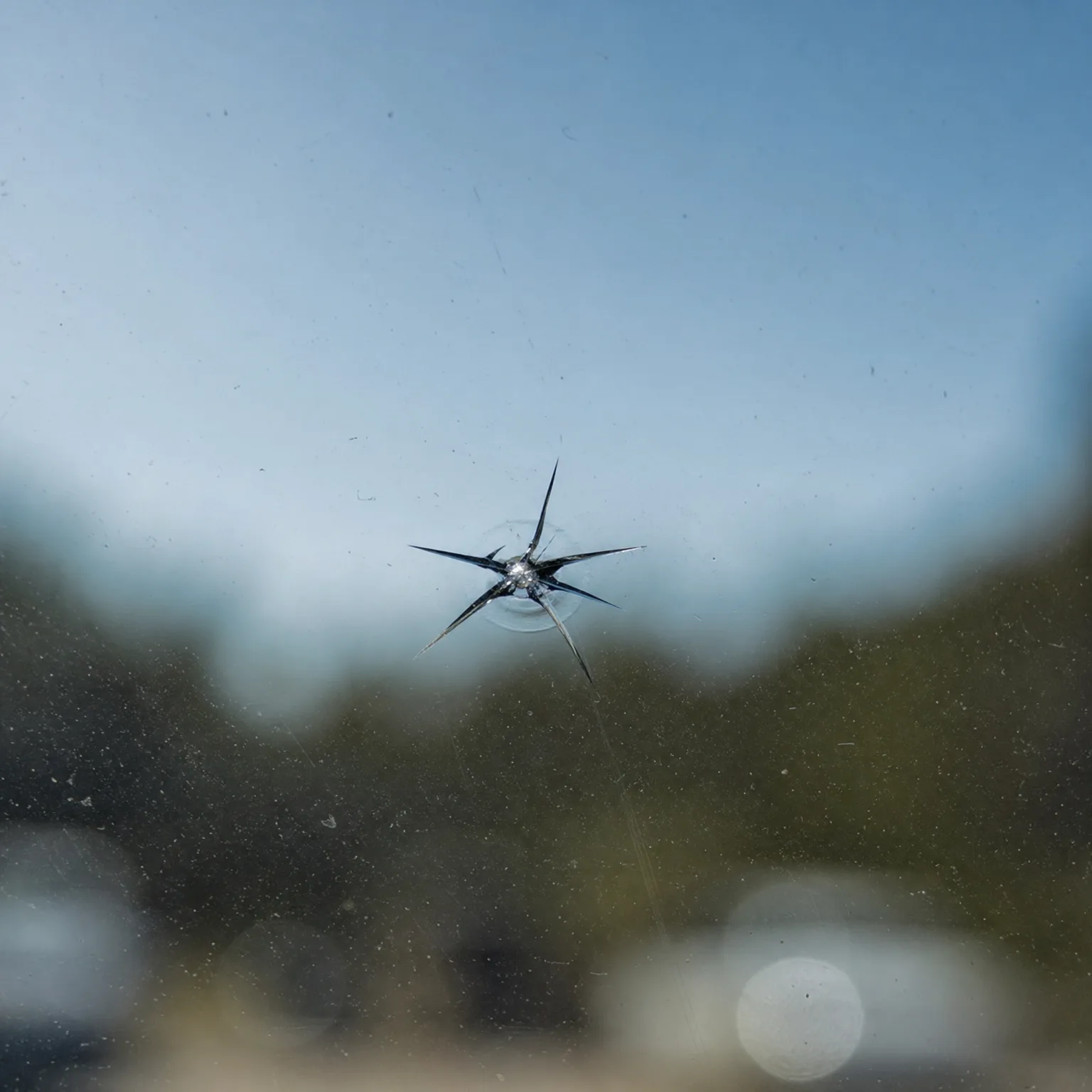
What actually separates the two coverages
- Who gets paid Liability pays other people for damage or injuries you caused. Full coverage adds payment to you for damage to your own car.
- What triggers it Liability only applies when you're at fault in a crash involving someone else. Full coverage can pay out from theft, weather, or hitting an object with no one else involved.
- Whether it's required Liability is required by state law almost everywhere. Full coverage is only required if a lender or lease requires it.
- What it does for your car Liability does nothing for your own vehicle, ever. Full coverage is the only way to get your car repaired or replaced without paying the full cost yourself.
- How it factors into your budget Full coverage costs more but limits your financial exposure if your car is damaged. Liability costs less but leaves that risk entirely on you.
Does full coverage pay for a car seat damaged in an accident?
Only if you carry full coverage, and even then it depends on your insurer's rules about replacing child safety seats after a crash. Many insurers replace a car seat that was in the vehicle during any accident involving collision coverage, regardless of how minor, since car seats are considered compromised once they've been in a crash. Liability-only policies won't cover this at all, since it only pays for the other party. Check your policy documents or ask your insurer directly, since the rule about replacing seats automatically rather than only after visible damage varies by company.
Do I need to add my baby to my car insurance policy?
Not as a driver, but you should still tell your insurer about the new child. Your baby doesn't need to be listed as a driver, obviously, but insurers often ask about household size and dependents for certain coverages or discounts, and your medical payments or personal injury protection coverage may need higher limits now that you're regularly driving with a child. Call your insurer after the birth to make sure injury coverage extends properly to your baby as a passenger, since rules on this vary by state and by policy.
Should I raise my liability limits now that I have a child?
Many parents do increase their limits once a child depends on their income, since a lawsuit after a serious accident can exceed low state-minimum limits and put personal assets and future earnings at risk. The right amount depends on your assets, your income, and what you could lose in a worst-case lawsuit, which is worth thinking through now rather than after an accident. Ask your insurer what raising limits would cost, since it's often a small increase for a meaningful jump in protection.