What Are the Two Main Types of Liability Coverage
The two main types are bodily injury liability and property damage liability, and both matter more now that a family depends on you.
Free to compare
Why liability splits into these two parts
Liability coverage exists to pay for harm you cause someone else while driving, and the law separates that harm into two categories because they're fundamentally different kinds of loss. Bodily injury liability pays for another person's medical bills, lost income, and related costs if you hurt them in an accident you caused. Property damage liability pays to repair or replace their car, fence, mailbox, or anything else you damage.
The split exists because injuries and property losses behave differently. A minor collision might mean a straightforward repair bill. A serious injury can mean surgery, rehabilitation, months of lost wages, and ongoing care, which is why bodily injury limits are usually written separately and often higher than property damage limits.
Every state sets its own minimum amounts for each type, and some states bundle them differently or add other required coverages on top. Check your state's requirements directly, since what's mandatory in one place may be optional in another.
For you, the real question isn't whether you carry these two coverages, since your policy already includes them. It's whether the limits you chose years ago still make sense now that an accident could threaten savings you're counting on for a child, not just your own paycheck.

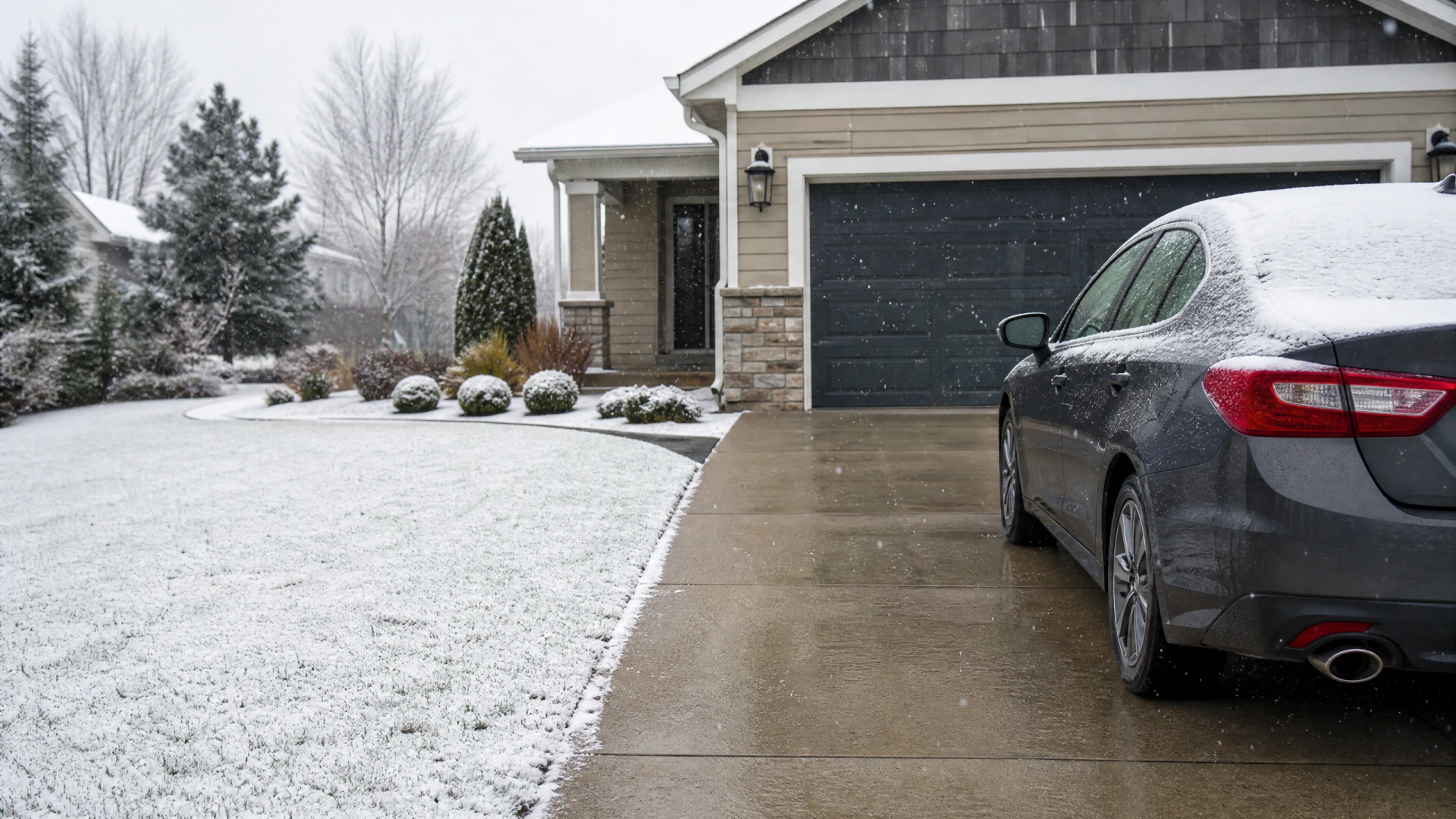
A rear-end accident on the way to a pediatrician visit
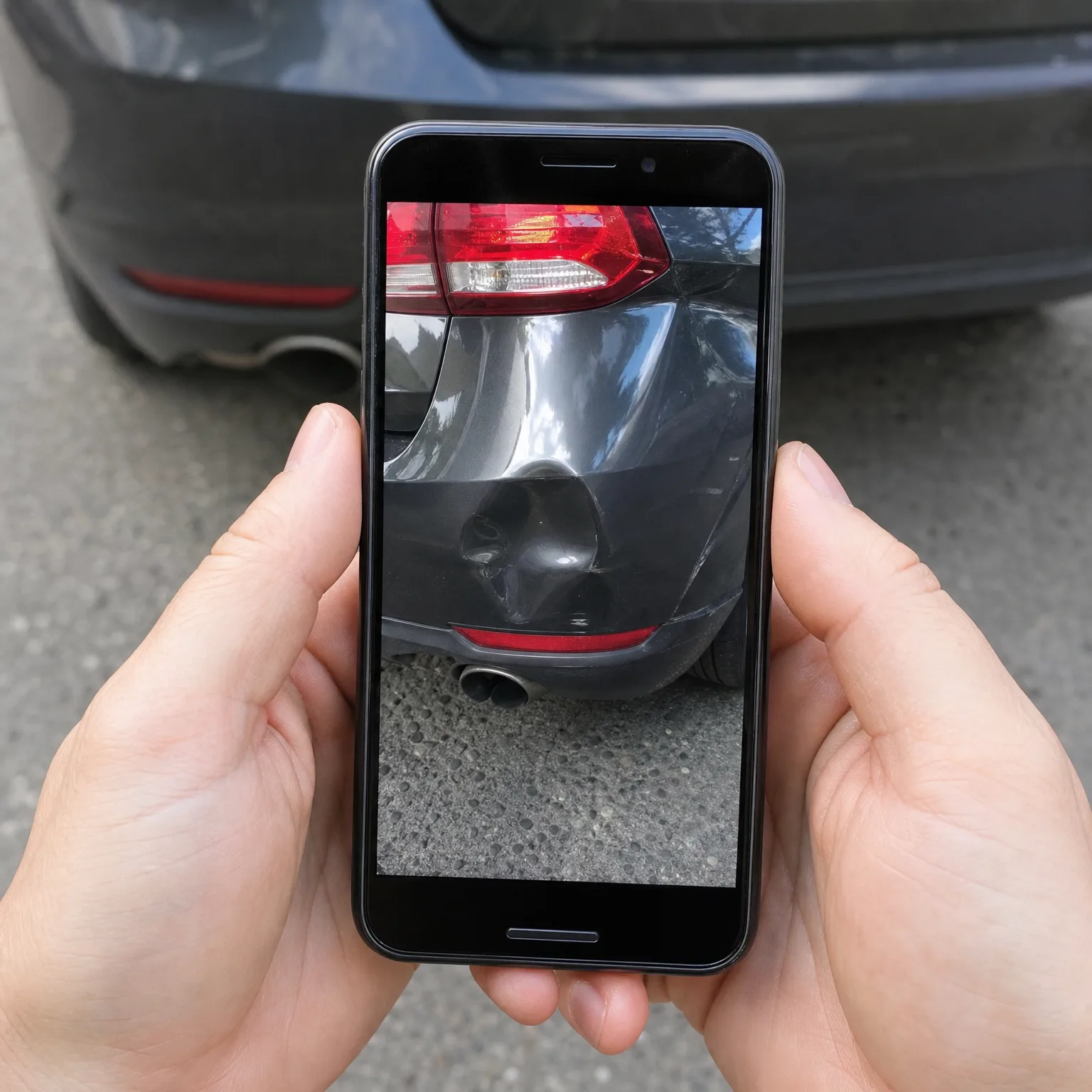
Say you're driving to a checkup, running a little late, and you rear-end someone who stopped short. The other driver's car needs a new bumper and trunk repair, and they also report neck pain and end up seeing a doctor a few times. Your property damage liability pays for their car repairs. Your bodily injury liability pays for their medical visits and any lost work time.
If your limits are low and the other driver's medical costs climb, you could end up responsible for the difference out of your own pocket. That's the scenario new parents often don't picture until they're the one carrying a car seat into a rental car while their own vehicle gets fixed. Raising your bodily injury limit before this kind of day happens costs little compared to what it protects, which is exactly why reviewing it now, before anything goes wrong, is worth the ten minutes it takes.
How much bodily injury and property damage coverage do I actually need?
There's no single number that fits everyone, but the general guidance is to carry enough to cover what you'd actually lose if you caused a serious accident, which for most families means more than the state minimum. Minimums were set as a legal floor, not as real protection, and they often fall far short of a single hospital stay or a totaled luxury car.
A common approach is to think about your assets, your income, and what a lawsuit could put at risk if you're found liable for more than your policy covers. As a new parent, that calculation usually points toward higher limits than you carried before, since you now have dependents counting on your financial stability. Your insurer or agent can walk through specific limit options and what each costs, so you can land on a number that matches your situation rather than a generic default.
Now that you know what each liability coverage pays for, compare quotes at the limits that actually fit your family.

Raising your liability limits now versus leaving them as is
If you do
You pay a modest amount more each month, and in exchange a serious accident won't threaten your savings or future income. If you injure someone badly or total an expensive vehicle, your policy absorbs more of the cost instead of you. It's a small trade against the risk a growing family can't easily absorb.
If you don't
Your premium stays the same, but your exposure stays the same too. If you cause an accident with injuries or major damage that exceeds your limits, you could be personally responsible for the rest, including through wage garnishment or a lien, right when your family needs that money most.
What to check about your liability coverage before the baby arrives
- Bodily injury limit This pays for others' medical bills and lost income if you cause a crash. Check your current limit and ask what raising it would cost.
- Property damage limit This pays to repair or replace what you damage, including other vehicles and structures. Make sure it's enough to cover an expensive car, not just an average one.
- Per-person vs per-accident caps Bodily injury coverage usually has one limit per injured person and a higher total per accident. Know both numbers, since a multi-car accident can hit the per-accident cap fast.
- State minimum vs real need State minimums are a legal floor, not real protection. Compare your state's minimum to what a serious accident would actually cost and decide from there.
- Umbrella policy option If your assets or income have grown, an umbrella policy adds liability protection beyond your auto limits. Ask your insurer whether it makes sense alongside your new coverage needs.