Do Car Seats Go Bad After an Accident
Yes, in most accidents your car seat should be replaced, even if it looks completely undamaged.
Free to compare
Crash forces stress the seat in ways you can't see
A car seat is built to absorb and spread out the force of a crash in one specific way, one time. The foam, the plastic shell, the harness webbing, all of it is engineered to deform slightly and protect your child during that single event. Once it's done that job, or been put under serious stress, it can't be trusted to do it again the same way.
This is why manufacturers and safety authorities generally say to replace a seat after a moderate or severe crash, and often after a minor one too, depending on the manufacturer's own standard. Some manufacturers set a low bar for what counts as serious enough to require replacement, so the exact rule depends on the make of your seat, not just on how the accident looked from the outside.
The damage you're worried about usually isn't visible. A hairline crack in the shell, compressed foam, or a harness that's been stretched won't necessarily show up when you look at the seat or press on it. That's the core problem, you're being asked to trust a part you can't fully inspect, so the safer assumption is to replace it rather than guess.
There are exceptions. If you were parked and got tapped at very low speed, with no airbags deployed and the seat was empty, some manufacturers say replacement isn't necessary. Check your seat's manual or the manufacturer's website for their specific definition, since this is one of the few places where the brand of your seat actually changes the answer.

A rear-end tap at a light
You're stopped at a red light with your baby in the back seat when someone taps your bumper pulling up too fast. Nobody's hurt, there's barely a mark on your car, and your first instinct is that the seat is obviously fine since nothing looks different. But you still unbuckle your child, check them over, and before you put the seat back in service you pull up the manufacturer's website on your phone right there at the scene.
The manufacturer's guidance lists specific speed and damage thresholds for when a seat must be replaced after a crash, and your situation falls right on the edge of their minor-crash exception. Because you're not fully sure, and because your child was in the seat when it happened, you decide to treat it as a crash seat and call your insurer about replacement rather than take the chance. Your insurer confirms the claim can include the seat as part of the property damage, so you order a replacement, keep the receipt and the claim paperwork, and have the new seat installed before you drive anywhere else with your baby in the car.
Will insurance actually pay to replace the car seat?
Usually yes, if the accident was reported and wasn't your fault, or even if it was, depending on your coverage. Car seats are typically treated as personal property damaged in the accident, so they can be included in a claim alongside vehicle damage, similar to how a damaged stroller or other item in the car might be handled.
What varies is how the claim gets processed and what proof is required. Some insurers want the seat itself as evidence, others accept a receipt for the original purchase plus a statement that it was in use during the crash. Keep your original purchase receipt somewhere you can find it, and ask your insurer directly what they need before you dispose of the seat, since throwing it out too early can complicate the claim.
Replacing a car seat after an accident, compare quotes now to confirm your coverage supports claims like this.

Replace the seat versus keep using it
If you do
You install a new seat before your next drive. Your child rides in a seat guaranteed to work the way it was designed to, with no hidden stress damage. You file the cost with your insurer as part of the claim, keep the receipt, and move on without gambling on something you couldn't inspect.
If you don't
You keep using the seat because it looks fine and seems like a waste to replace. If there's ever another accident, even a minor one, the seat may fail at the exact moment it matters most, absorbing less force or cracking under load, without any warning that it was compromised.
What to actually do after the accident
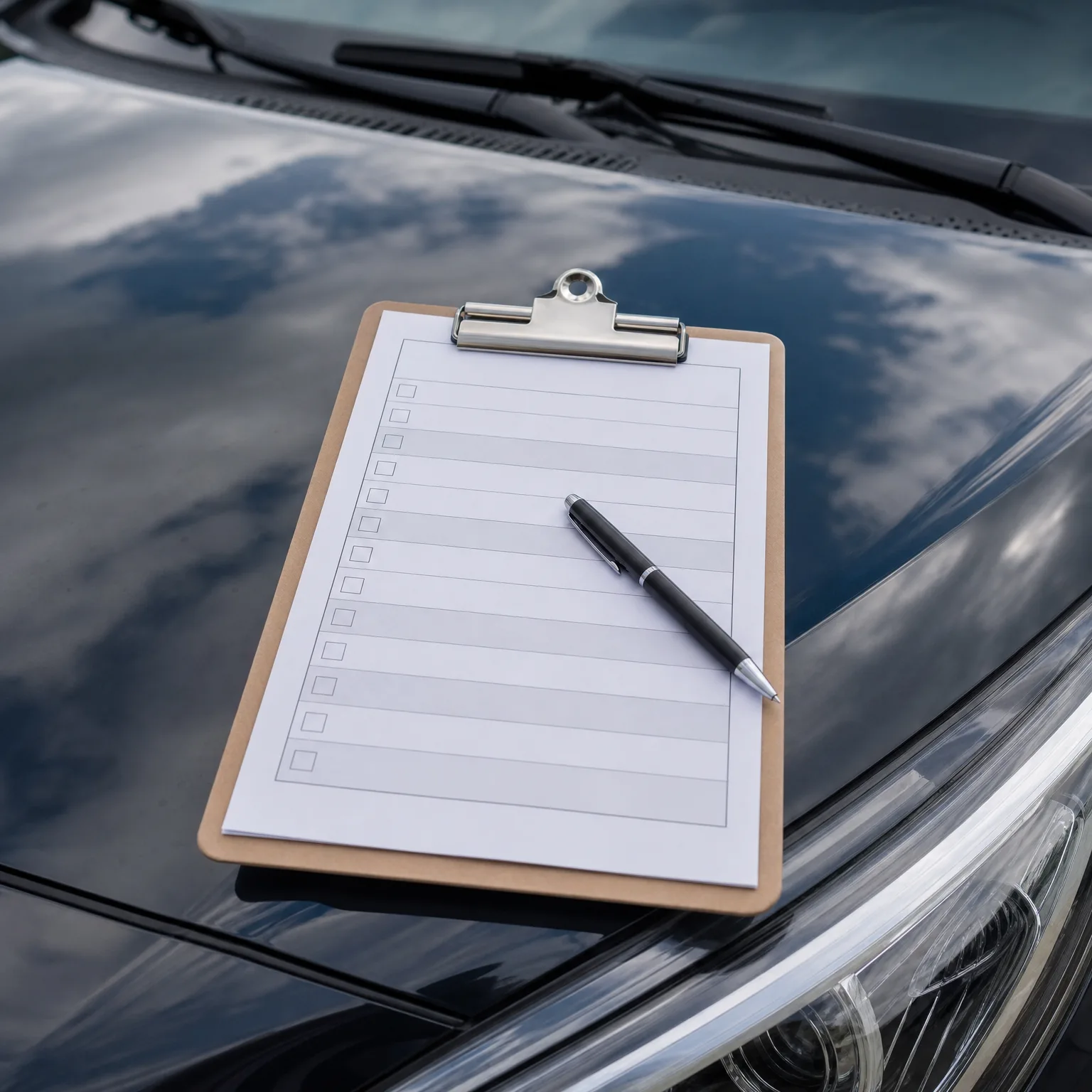
- Check the brand's crash policy Every car seat brand defines what counts as a serious enough crash differently. Look up your specific model's guidance before assuming the seat is fine or must be replaced.
- Treat any used seat as suspect If your child was in the seat during the accident, lean toward replacing it regardless of visible damage. The forces that matter are internal and usually invisible.
- Save your purchase receipt Insurers often want proof of the original cost to reimburse you for a replacement. Keep it stored somewhere separate from the car, like your phone or email.
- Call insurer before disposal Some claims require the damaged seat as evidence before they'll pay. Ask what they need first so you don't lose reimbursement by tossing it too soon.
- Replace before next drive Don't put a child back in a seat you're unsure about, even for a short trip. Borrow or buy a replacement immediately if yours needs to go.