How to Know if a Car Seat Is Damaged After an Accident
If your car seat was installed during a crash of any real force, replace it, since the damage that matters is usually invisible.
Free to compare
The seat's job is to break down once, and you can't see that it did
A car seat's plastic shell and harness are built to absorb a crash's force by flexing and cracking in ways designed to protect your child. That energy has to go somewhere, and it goes into the structure of the seat. Once that structure has done its job, it can't do it again, even if you don't see a crack. Manufacturers design for a single crash event, not repeated ones.
This is why visible damage isn't the test. A seat can look completely normal after a moderate or severe crash while the internal structure is compromised, and a seat can have cosmetic scuffs after a minor fender bender that didn't affect it at all. You're not looking for cracks because cracks are the danger. You're asking whether the forces involved were enough to stress the seat past its design limit, and that's a question about the crash, not the seat's appearance.
This is also why insurers and manufacturers lean toward replacement after anything beyond a minor incident. The cost of being wrong in one direction is a replaced seat you didn't strictly need. The cost of being wrong in the other direction is a seat that fails the next time it's needed. Most manufacturer guidance and most insurance claims practices reflect that asymmetry.
Where this varies is in how your insurer defines a crash serious enough to trigger automatic replacement, and whether your policy covers that replacement without affecting your claim history. Some policies include child seat replacement as a named coverage after any reported accident where the seat was occupied. Others require you to request it specifically or submit the seat as a line item. Check your policy or ask your agent what your specific coverage says before you assume it's included or excluded.
A rear-end collision at a stoplight with no visible damage to the seat
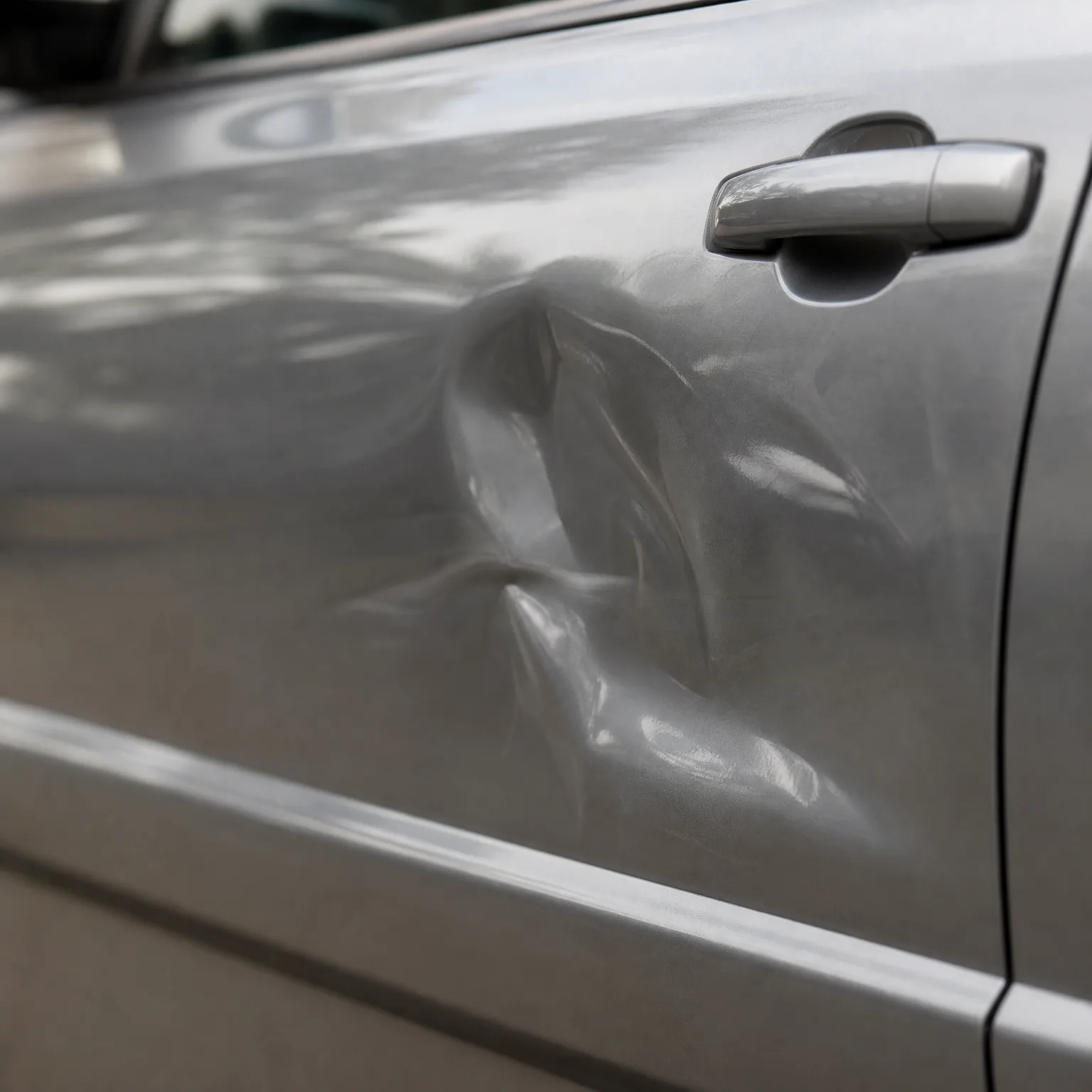
You're stopped at a light with your baby in the back seat, and the car behind you doesn't brake in time. The impact is hard enough to jolt you forward against your seatbelt and knock a water bottle off the console, but there's no airbag deployment and the bumper has only a minor scuff. Your first instinct is that the car seat looks fine, so you consider just keeping it.
Instead you call your insurer that day to report the accident and ask directly whether child seat replacement is covered. The adjuster confirms it is, since the seat was in use and the collision wasn't a minor tap, and tells you to keep the damaged seat and the crash report as documentation rather than returning it or getting rid of it right away. You order a replacement seat the same week, and the cost comes back to you through the claim once you submit the receipt. The old seat stays in your garage until the claim closes, just in case the insurer wants to inspect it, and then you dispose of it so no one is tempted to reuse it.
What counts as a crash serious enough to require replacing the seat?
Most guidance separates crashes into minor and moderate-or-worse based on a few practical signs rather than a strict threshold. If the car was driveable afterward, no airbags deployed, no one was injured, and the door nearest the seat wasn't damaged, many manufacturers consider that minor enough that replacement isn't automatically required. Outside of that, replacement is the safer default.
Because there's no single number that applies everywhere, check the specific guidance printed in your car seat's manual or on the manufacturer's website, since standards differ by manufacturer. If you're unsure which side of the line your accident falls on, treat it as the serious side. A replacement seat costs far less than guessing wrong.
Now that you know whether your seat needs replacing, compare quotes to find an insurer that covers it the way you need.

Whether you report the accident to your insurer at all
If you do
You create a record tying the crash to the seat, which supports a replacement claim now or later if something seems wrong. Your insurer can tell you what your policy covers for child seats, and you get reimbursed instead of paying out of pocket for a seat you needed because of someone else's actions.
If you don't
You have no documentation if you later decide the seat needs replacing, and no way to recover the cost through a claim. If the seat turns out to be compromised and you find out weeks later, you'll pay for the replacement yourself, and the accident will be harder to reconstruct from memory.
Does my insurance actually pay to replace a car seat after an accident?
Often yes, but it depends entirely on your specific policy, so check your declarations page or call your agent to confirm. Many personal auto policies include child seat replacement as part of accident coverage when the seat was installed and in use during a reported crash. Some treat it as a standard benefit with no deductible, others fold it into your collision coverage and apply your normal deductible. What changes the answer is whether the crash is being filed as a claim at all, since reimbursement usually requires an open claim, not just a report.
Can I return a used car seat to the store instead of replacing it myself?
No, stores generally won't accept a car seat that's been in any vehicle involved in a crash, even if it looks fine, because they can't verify its safety history once it leaves your possession. Retailers rely on manufacturers' crash guidance just like you do, and most explicitly refuse returns or exchanges for seats reported as crash-involved. If you want a replacement, you'll need to buy a new one and pursue reimbursement through insurance separately, not through the original retailer.
How do I prove to my insurer that the car seat was actually in the car during the crash?
You generally need the police or crash report, photos from the scene if you took any, and in some cases a receipt showing you owned the seat beforehand. What matters most is documenting the seat's presence at the time of the accident, not necessarily its condition afterward. If you didn't photograph it at the scene, photographing it immediately after, still installed, helps. Insurers vary in how strictly they require this, so ask what documentation they need before you dispose of or replace anything.