Do I Need Medical Payments Coverage
Yes, add medical payments coverage once a child rides with you, since it pays fast for everyone in the car, regardless of fault.
Free to compare
Why it matters more with a baby in the back seat
Medical payments coverage pays medical bills for you and your passengers after a crash, no matter who caused it. That last part is the whole reason it matters now. Your health insurance will eventually cover your child's care too, but it comes with deductibles, copays, and networks to sort through while you're also dealing with a shaken-up baby and a damaged car. Medical payments coverage pays out quickly and directly, often before your health plan even finishes processing the claim.
It also fills a gap your health insurance doesn't touch. Things like a follow-up visit copay, an ER bill before your deductible kicks in, or a chiropractor visit for your own neck pain. Without it, those costs land on you out of pocket, right when you're also buying diapers and maybe living on one income for a while.
The tradeoff is that this coverage is usually optional and sold in modest amounts, so it isn't a replacement for health insurance or for bodily injury liability. It's a supplement that smooths out the first wave of bills. Whether it's offered, and how much you can buy, varies by state and by insurer, so check your policy or ask your agent what's available where you live.
In a few states, a similar coverage called personal injury protection is required instead, and it works a bit differently, covering lost wages too. If you're in one of those states, medical payments coverage may be an add-on to that rather than a standalone choice, so it's worth asking specifically how the two interact.
The short version
Add medical payments coverage now that a child rides with you, because it pays quickly and covers every passenger regardless of fault, filling the gap before health insurance kicks in. It's inexpensive and simple. Ask your insurer what amounts are available in your state and add it when you update your policy for the baby.
Does medical payments coverage replace health insurance for my baby?
No, it doesn't replace health insurance, and it isn't meant to. Medical payments coverage is a small, fast-paying supplement that covers crash-related medical bills up to a modest limit, while your health insurance remains the main coverage for your child's ongoing and non-crash care.
Think of it as the coverage that handles the first bills while everything else gets sorted out. It can cover copays, deductibles, or costs your health plan doesn't pick up right away. If your child needs care beyond what medical payments coverage pays, your health insurance takes over from there. Keeping both is the safer approach, especially now that you're thinking through what protects your family in a worst case.
Compare quotes now that you know medical payments coverage fills the gap your health plan leaves open.
A rear-end collision with the car seat installed
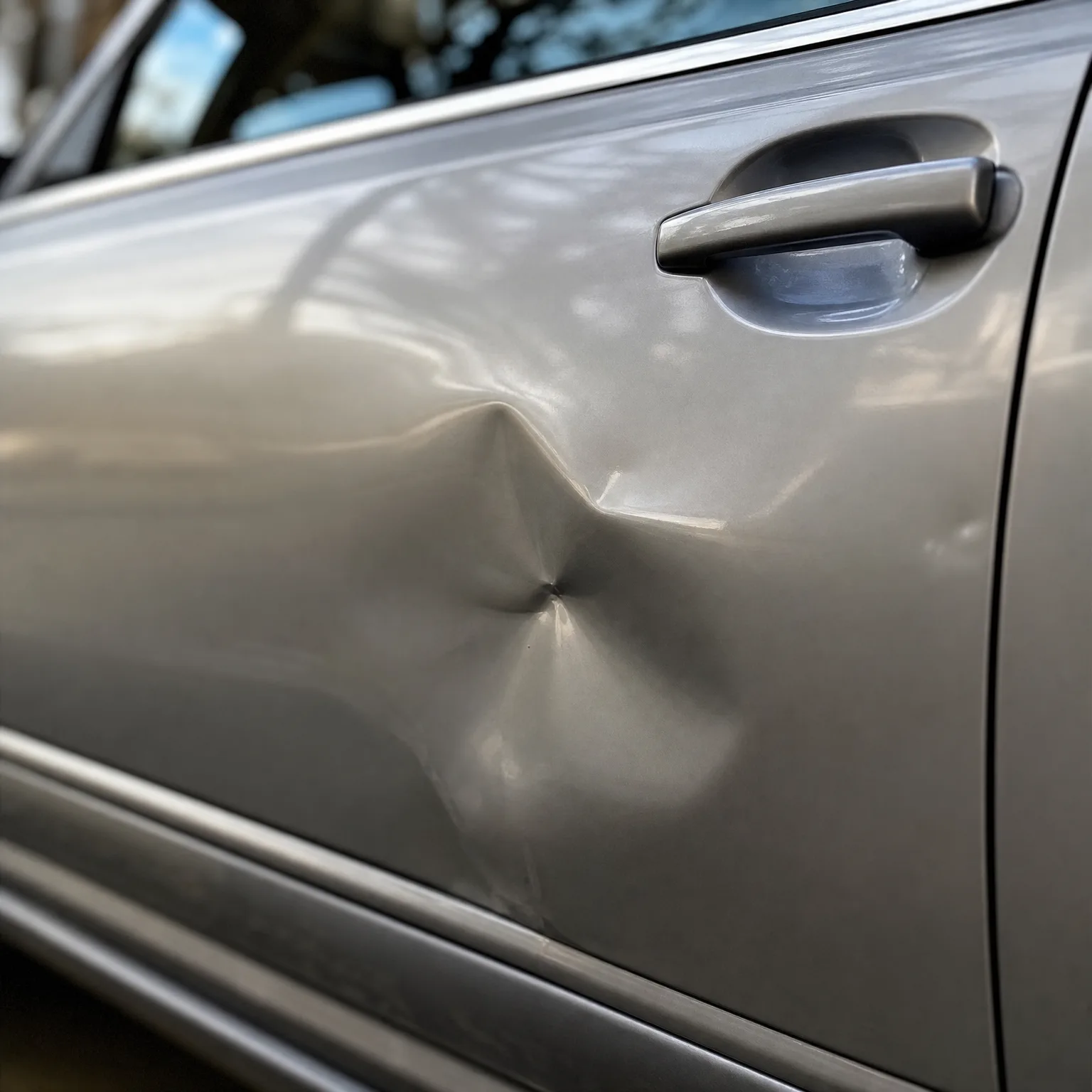
Say you're driving home from a pediatrician appointment with your baby in a newly installed car seat, and someone rear-ends you at a stoplight. Nobody is badly hurt, but the baby is crying and gets checked out at urgent care as a precaution, and you end up with a stiff neck that needs a couple of physical therapy visits. The other driver is clearly at fault, but their insurer takes weeks to accept liability and start paying claims.
Because you added medical payments coverage when you updated your policy for the baby, those urgent care and physical therapy bills get paid directly through your own insurer within days, without waiting on fault to be sorted out. Your health insurance would have covered the rest eventually, but having medical payments coverage meant you weren't floating the cost or arguing about which bills belonged to whom while you were also dealing with a cranky baby and a trip to the car seat manufacturer about whether the seat needed replacing.
A crash now means two sets of medical bills, not one, and fault doesn't decide who gets paid first.
Does a car seat need to be replaced after any accident?
Not always, it depends on the severity of the crash and the seat manufacturer's guidelines. Many manufacturers say a seat involved in a moderate or severe crash should be replaced, but some allow reuse after very minor incidents with no visible damage. Check your specific seat's manual or the manufacturer's website, since guidelines vary by brand. Your auto insurer may also cover replacement under your policy, so ask your adjuster if a crash involved your child's seat.
Should I raise my liability limits before the baby arrives?
Yes, it's worth raising your liability limits once someone depends on your income, since a lawsuit after a serious crash could threaten savings or future earnings you now need to protect. Check your current limits against your assets and income, not just the state minimum. If you're unsure how much is enough, an umbrella policy is also worth asking about, since it extends protection beyond your auto policy's limits for a relatively modest cost.
Do I need to add my newborn to my car insurance policy?
Not as a listed driver, since infants don't drive, but you should still tell your insurer about the new family member when you update other details like your vehicle or address. Some insurers ask about household size for liability or medical payments coverage decisions. It's also a good moment to confirm your policy's coverage for passengers, since that's what actually protects your baby in the car, not a line item with their name on it.