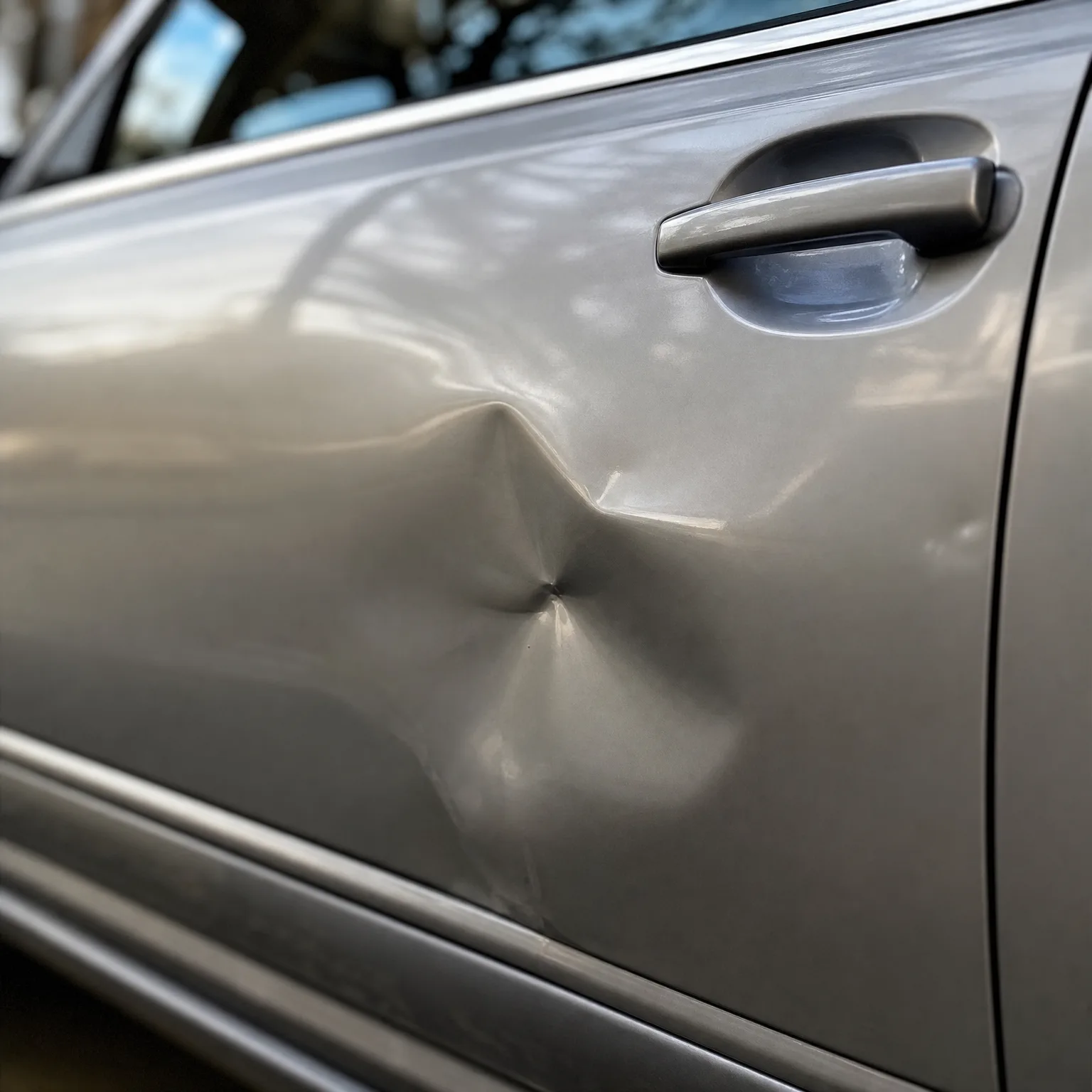
What Car Insurance Coverage Do New Parents Need
Raise your liability limits and add strong medical or injury coverage, since a baby in the car raises what an accident could cost you.
Free to compare
A child in the car changes what you stand to lose
Liability coverage pays for harm you cause to other people, and that includes your own passengers if you're found at fault, except in states with no-fault rules. Once you're driving someone who depends on you completely, a judgment that exceeds your coverage becomes a threat to your income and savings for years, not just an inconvenience. That's the core reason the math changes the moment a baby comes home.
Medical payments coverage or personal injury protection, depending on your state, pays medical bills for you and your passengers no matter who caused the crash. This matters more now because your child's care after any injury, even a minor one, can run up costs quickly, and you don't want to be arguing about fault while you're also arguing with a hospital. Some states require PIP, others make it optional, and a few fold these benefits into something called no-fault coverage with its own rules. Check what your state mandates and what it leaves up to you.
Uninsured and underinsured motorist coverage deserves a second look too. If someone with minimal or no insurance hits you, this is what stands between your family and an uncovered loss. It's often inexpensive relative to what it protects, and many parents skip it simply because they've never been asked to think about it.
Where this plays out differently is household structure and income. A single parent carrying the only income in the house has less room to absorb a gap than two parents splitting it, and should weight liability and disability-adjacent protection more heavily. If you're on one income during leave, that same logic applies temporarily, and it's worth revisiting once income returns to normal.
A new father reviews his policy before leaving the hospital
A father of a first child, driving alone most days while his partner stayed home on leave, pulled up his policy the week before his wife's due date. He found liability limits he'd picked years earlier, back when he was single and renting, long before anyone else's medical bills depended on his coverage. He raised them, added medical payments coverage since his state didn't require PIP, and checked that uninsured motorist coverage was included rather than assumed.
He also called his insurer to ask what happens to a car seat after a crash, since he'd read conflicting things online. He learned that most insurers replace a car seat that was in the vehicle during any reported accident, regardless of visible damage, because the manufacturer can't guarantee it's still safe. He added a note to file a claim for that specifically rather than assuming it happened automatically. By the time the baby came home from the hospital, the policy matched the family he actually had, not the one he'd insured years before.

Whether you update your coverage before the baby comes
If you do
You know your limits can absorb a serious accident, not just a minor one. You've confirmed your car seat gets replaced after any crash without a fight. You've checked what your state requires versus what's optional, so nothing you assumed got applied automatically slipped through.
If you don't
You're carrying coverage sized for your old life, not your new one. If a serious accident happens, you could face costs beyond your policy limits right when your family can least absorb them, and you may not learn your car seat needed replacing until it's too late to matter.
Now that you know what coverage your family actually needs, compare quotes to see what raising it actually costs.

Five things to check before or right after the baby arrives
- Liability limits This is what pays if you're responsible for hurting someone else, including a passenger in some states. Raise it to reflect that a judgment now threatens a family's savings, not just your own.
- Medical payments or PIP This pays medical bills for you and your passengers regardless of fault. Check whether your state requires it or leaves it optional, and add it if it isn't already there.
- Uninsured motorist coverage This protects you if someone with too little or no insurance causes the crash. Confirm it's actually on your policy rather than assumed, since some insurers don't include it by default.
- Car seat replacement Most insurers replace a car seat involved in any reported accident, even without visible damage. Ask your insurer directly how to file for this so you're not guessing after the fact.
- Updating insurer on changes A new car, a new address, or a change in how much you drive during leave can all affect your rate and coverage. Update these details rather than letting your policy run on old information.

Do I need to add my baby to my car insurance policy?
No, you don't add an infant to your policy the way you'd add a teen driver, because insurance coverage follows the vehicle and the policyholder, not each passenger by name. Your baby is automatically covered as a passenger under your liability, medical payments, and uninsured motorist coverage without being listed anywhere.
What you should do instead is make sure those coverages are strong enough to actually protect a passenger who depends on you, since that's the part that doesn't happen automatically. Call your insurer to confirm there's no separate step required in your state, and ask at the same time about car seat replacement after an accident, since that's the detail most parents miss and the one most specific to having a child in the car at all.