Do I Still Make Payments on a Totaled Car with Gap Insurance
Gap insurance pays off what's left on your loan after your regular insurance settles, so once both payouts land, the payments stop.
Free to compare
What determines whether you keep paying
- Timing of the payoff Your lender still expects your normal payment until the loan is actually paid off. That can take a few weeks, so keep paying until you get written confirmation the balance is zero.
- Gap claim approval Gap coverage only pays after your primary insurer settles the claim and only if your policy was active and the loss is covered. If the gap claim is denied or delayed, you're responsible for the remaining balance in the meantime.
- What gap actually covers Gap covers the difference between what you owe and what your car was worth, not extra fees or missed payments before the accident. Check your paperwork for any exclusions tied to how you financed the car.
- Overlapping payments If you miss a payment while waiting on the claim, it can show up on your credit even though the loan gets paid off later. Call your lender and ask about a payment pause while the claim processes.
- New loan on a replacement car Once the old loan is closed, you start fresh with whatever you finance next. Make sure the payoff letter confirms the old account is closed before you sign anything new.

A totaled car, a loan balance, and a six week wait
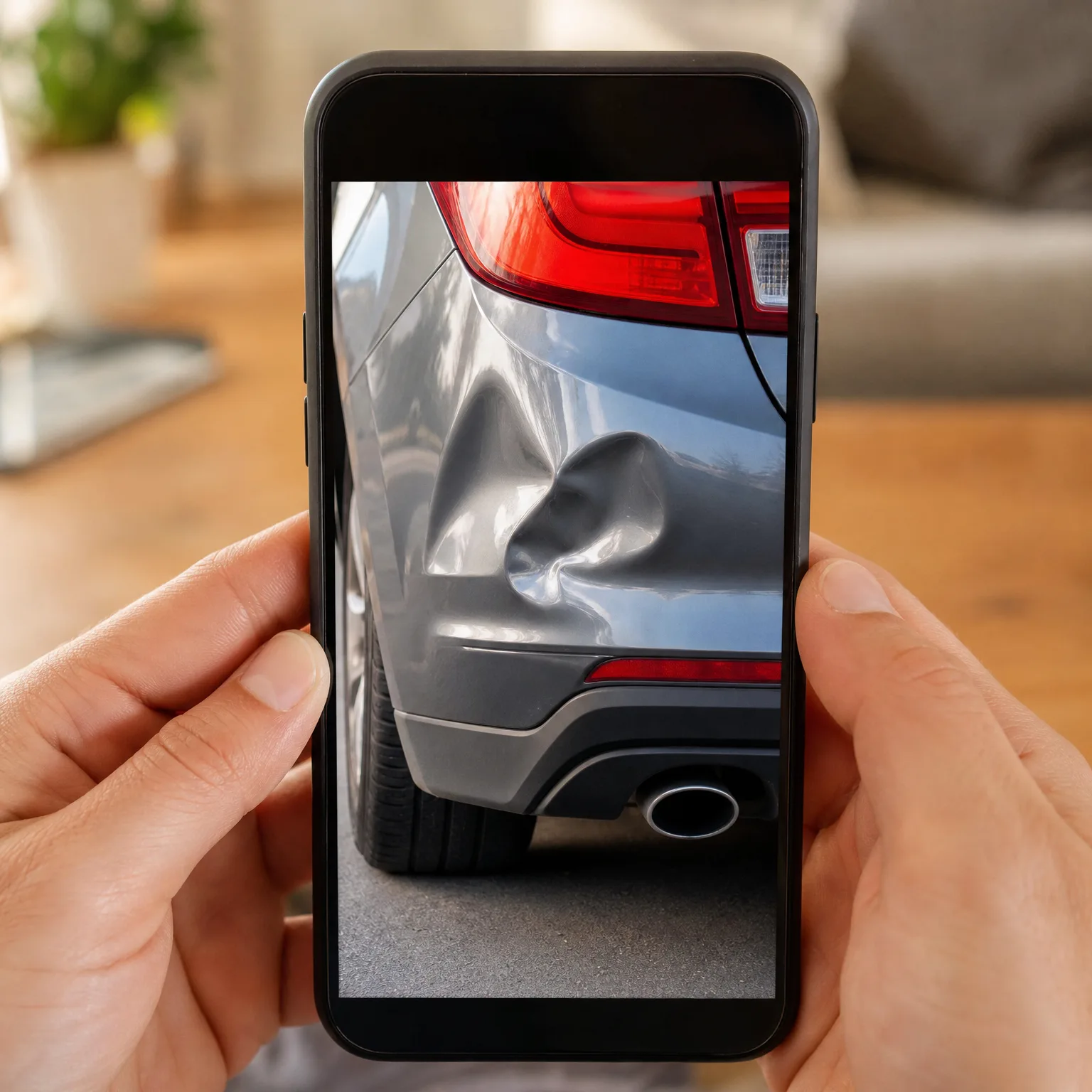
You're six months into caring for a newborn when another driver runs a light and totals your car. Your insurer values the car at an amount lower than what you still owe, which is common with newer loans and larger down payments that didn't happen. You file both claims the same week, the standard claim with your insurer and the gap claim with the gap provider, and you keep making your monthly car payment because the loan is still open.
Three weeks later your insurer pays out the car's value directly to your lender. The gap insurer takes another few weeks to verify the numbers and then sends the remaining balance to the same lender. You get a letter from the lender confirming a zero balance about six weeks after the accident. In that time you made two more payments, both of which show up as a credit on your final statement, and the lender refunds them within a billing cycle. You also get a car seat replaced through your regular insurer, since car seats in a crash are typically treated separately from the vehicle's value and handled as a different part of the claim.

Keeping up your car payment while the claim is pending
If you do
Your account stays current, your credit is protected, and any extra payments get refunded or credited once the loan is paid off. You avoid late fees and keep your options open if the gap claim takes longer than expected or gets partially denied.
If you don't
Your loan can go into default even though you're expecting a payout, and that shows up on your credit report immediately. You may also owe late fees that the gap insurer won't cover, since gap only pays the loan balance, not penalties from missed payments.
Once you know how your payoff will play out, compare quotes to make sure your next policy handles gap the same way.

Does gap insurance cover a car seat damaged in the accident?
No, gap insurance only covers the loan balance on the vehicle, not personal items inside it. A car seat involved in a crash is typically handled through your regular auto policy's personal property or replacement provisions, if it has them. Check your policy for a separate limit on personal belongings, since many car seats need replacing after any crash regardless of visible damage, and some insurers require proof of purchase or require the seat to be a certain age to qualify.
Will my insurance rates go up after a totaled car claim with a newborn on the policy?
It depends on fault and your insurer's rules, not on who else is listed on the policy. Adding a newborn doesn't affect your rate directly since infants aren't rated drivers. What matters is whether you were at fault in the accident and how your insurer treats not at fault claims. Ask your insurer directly whether this specific claim is rated as chargeable, since policies and state rules vary on this point.
Can I buy gap insurance after the fact if I didn't have it when the car was totaled?
No, gap insurance has to be in place before the loss happens, it can't be added retroactively to cover a claim already in progress. If you don't have it now, this is worth fixing on your next vehicle, especially with a newer loan or a smaller down payment. Check whether your next lender requires it or bundles it into the loan automatically.
Gap insurance stops payments once two separate claims finish paying out, not on the day of the accident.