Does Comprehensive Insurance Cover Passengers
No, comprehensive only covers your car against theft, weather, and non-crash damage, not injuries to anyone riding in it.
Free to compare
Comprehensive protects the vehicle, not the people inside it
Comprehensive exists for the things that happen to your car when no one is driving it into anything. A tree falls on it, it's stolen, a deer runs into it, hail dents the roof. It pays to fix or replace the car. It was never built to think about who was sitting in the seats, so an injury to your baby, your spouse, or anyone else in the vehicle falls outside what it does.
The coverage that actually protects passengers kicks in around collisions, not comprehensive claims. Medical payments coverage or personal injury protection, depending on where you live, pays for medical costs for anyone in your car after a crash, regardless of who caused it. If another driver hits you and is at fault, their liability coverage is supposed to pay for your passengers' injuries too, but only up to their limits, and only if they actually carry enough.
This is where a new baby changes the math. You now have someone in the car who can't tell you they're hurt, who will need imaging and monitoring after even a minor crash, and whose care isn't optional or delayed. Medical payments or PIP coverage pays out fast, without waiting to sort out fault, which matters when you're dealing with a newborn and not a legal fight.
Whether PIP is required, optional, or even offered depends entirely on your state, and the rules about who it covers, your household or anyone in the car, vary too. Check your state's requirements and your policy's declarations page to see what you actually have, rather than assuming it matches what a friend in another state carries.
What actually protects the people in your car
- Medical payments coverage This pays medical bills for you and your passengers after a crash, no matter who caused it. Check if you have it and what the limit is, since it's often small by default.
- Personal injury protection PIP works like medical payments but broader, sometimes covering lost income too. It's required in some states and optional in others, so confirm your state's rule.
- Other driver's liability limits If someone else causes the crash, their liability coverage pays your family's injuries, but only up to what they bought. Low limits on their end can leave your costs uncovered.
- Your own liability limits If you cause the crash, your liability coverage pays for your passengers' injuries, not comprehensive. Raising this limit now protects everyone riding with you, not just other cars.
- Car seat replacement Most policies replace a car seat after any crash, even a minor one, since impact can weaken it invisibly. This isn't comprehensive, it's part of your collision or liability claim process, so ask your insurer directly.

Now that you know which coverages actually protect your passengers, compare quotes with those limits in mind.
A fender bender with the baby in the back seat
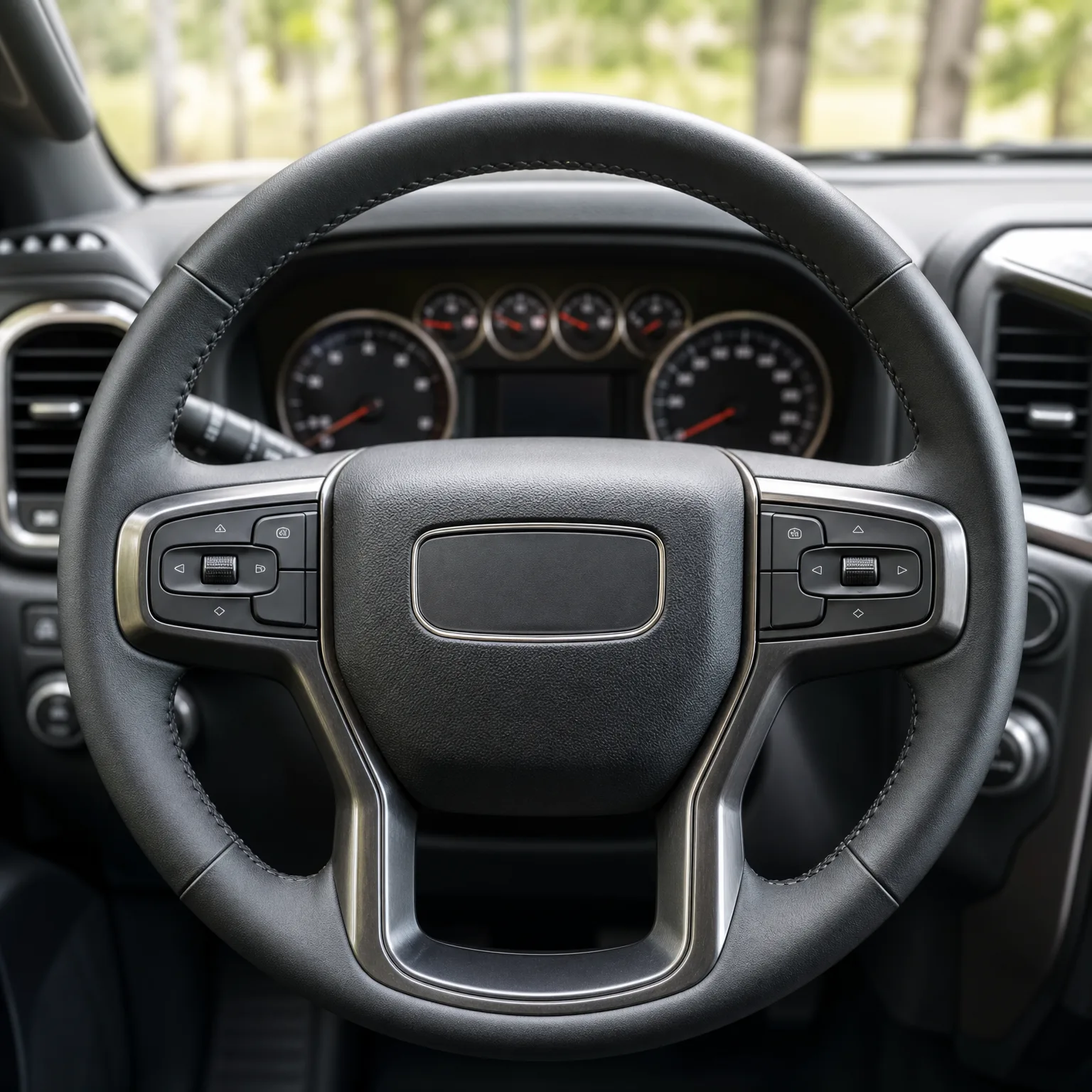
You're stopped at a light with your three month old in the back, and the car behind doesn't stop in time. It's a slow speed hit, bumpers only, but your baby was in the car and you want her checked out immediately. The other driver admits fault at the scene. You call your insurer that day, not to file a comprehensive claim since nothing about this is comprehensive, but to ask what covers your daughter's ER visit.
Your agent explains that the other driver's liability coverage should pay once their insurer processes the claim, but that can take weeks. Meanwhile your own medical payments coverage pays the ER bill right away, no waiting on fault determination. You also ask about the car seat, since it took a real jolt, and your insurer confirms it's covered for replacement under the claim even though it looks undamaged. You order a new one that week. A month later the other driver's insurer settles and reimburses what your coverage already advanced, so you're not out of pocket, and you walk away knowing exactly which part of your policy did what.
The coverage that fixes your car is not the coverage that protects your family in it. Check both separately.
Should I raise my medical payments or PIP limit now that I have a baby?
Probably yes, and it's worth doing before anything happens rather than after. Medical payments and PIP coverage are usually sold in fairly low default amounts, often enough for a minor ER visit but not for an extended NICU stay, imaging, specialists, or follow-up care a baby might need after even a moderate crash. Raising this limit is typically inexpensive compared to raising liability limits, since it's paying out smaller claims more predictably.
What the right amount looks like depends on your state's rules, whether PIP is mandatory where you live, and what your insurer offers as options. Ask your agent to show you the cost difference between your current limit and the next tier up. Given that this coverage pays regardless of fault and pays fast, it's one of the more direct ways to make sure your newborn's care isn't held up by a claims investigation into someone else's insurance.