Who Is Liable to Passengers Hurt in a Car Accident
The driver found at fault pays for passenger injuries, but your own coverage decides how fast and how fully your family gets protected.
Free to compare
Fault decides who pays, your policy decides how well you're covered
Liability works the same everywhere at its core. Whoever caused the crash owes for the injuries it caused, including injuries to passengers in either car. That includes your child in a car seat, your partner, or a friend you gave a ride. The at-fault driver's liability coverage is supposed to pay those medical bills, but only up to the limits that driver carries.
That last part is where things get uneven. If the other driver carries low limits, or none at all, their coverage can run out long before your family's medical bills do. This is why your own policy matters even in a crash you didn't cause. Coverages like medical payments, personal injury protection, and uninsured or underinsured motorist coverage exist specifically to step in when the other driver's liability isn't enough or doesn't apply. Whether you have these, and how much, depends on choices you made when you bought the policy, and on rules that differ by state.
Some states require personal injury protection regardless of fault, so your own insurer pays your passengers' medical bills first no matter who caused the crash. Other states are pure fault-based, so you're relying entirely on the at-fault driver's liability limits unless you've added your own protection. Check which system your state uses, because it changes what you actually need to carry.
There's also the question of who was in your car. If you were at fault and your child or passenger was hurt, your own liability coverage pays for their injuries just as it would for someone in the other car. A new baby doesn't change how liability works, but it changes how much is riding on your limits being enough.
The short version
The at-fault driver's liability coverage pays for passenger injuries, but only up to their limits, which may not be enough. Your own medical payments, PIP, or uninsured motorist coverage fills that gap for your family. Review your limits and these coverages now, before the car seat is even installed.
A rear-end crash with a newborn in the back seat
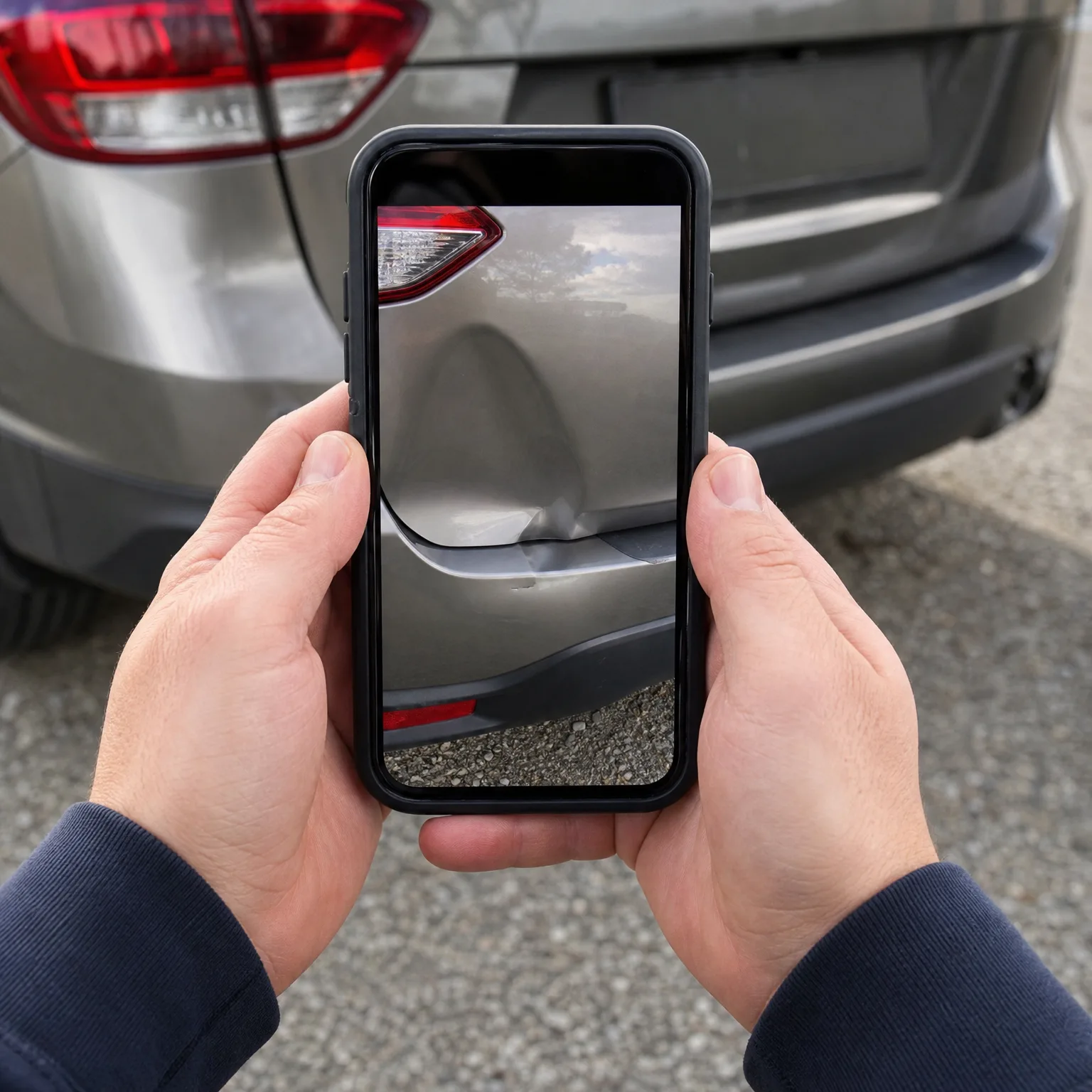
You're stopped at a light with your three-week-old in a rear-facing car seat when another driver hits you from behind. The police report puts the fault entirely on the other driver. Your baby seems fine but you take her in anyway, and the pediatrician wants a follow-up visit and an X-ray just to be safe. The other driver has insurance, but when you check, their liability limits are on the lower end, and your own urgent care visit plus your baby's appointments start adding up fast.
Because you carry medical payments coverage on your own policy, your insurer pays your family's medical bills directly while the claim against the other driver's insurance works through its process. You're not waiting on the other insurer to decide fault or cut a check before your baby's doctor gets paid. Later, if the other driver's liability limit isn't enough to cover everything once all the bills are in, your uninsured and underinsured motorist coverage picks up the difference. The car seat itself gets replaced too, since any seat involved in a moderate or severe crash should be swapped out regardless of how it looks.
Now that you know which coverages protect your passengers, compare quotes that put real limits behind that protection.

Whether you raise your own coverage before the baby arrives
If you do
Your medical payments, PIP, and uninsured motorist limits go up. If a crash happens, your family's bills get paid faster and more fully, regardless of what the other driver carries. Your premium rises some, but you're not gambling your baby's care on a stranger's insurance choices.
If you don't
You're relying entirely on the at-fault driver's liability limits, which you can't control and won't know until after a crash. If those limits are low or missing, you could face medical bills with no coverage behind them, leaving you to pay out of pocket or chase a lawsuit.

What decides how well your passengers are covered
- The other driver's limits If they're at fault, their liability coverage pays first. Ask your insurer to check their limits early in the claim, since low limits change your whole plan.
- Your medical payments coverage This pays your passengers' medical bills regardless of fault, often faster than a liability claim settles. Add or raise it before you need it, not after.
- Uninsured motorist coverage This steps in when the other driver has no insurance or not enough. It's one of the few coverages built specifically to protect your own passengers.
- Your state's fault rules Some states require no-fault coverage like PIP, others don't. Check which system you're in, since it determines what's automatic and what you must add yourself.
- The car seat after a crash A car seat in a moderate or severe crash usually needs replacing even if it looks fine. Check your policy and the seat manufacturer's guidance before reusing it.
Does adding a baby to my policy or household change my liability coverage?
Having a baby doesn't automatically change your liability limits or add coverage. Your policy keeps working exactly as it did before, covering whoever is in the car under the same liability, medical payments, and uninsured motorist limits you already chose. The baby doesn't need to be named on the policy to be covered as a passenger.
What should change is your own sense of how much coverage is enough. Many parents carried lower limits when it was just them or a couple, and never revisited it. Now that a child's medical costs could be part of any claim, it's worth asking your insurer to walk through your current limits and whether medical payments or PIP coverage is included or optional in your state. This is also a good moment to confirm your policy covers a rear-facing car seat replacement, since that's a cost specific to having an infant in the car that wasn't relevant before.