Does Gap Insurance Cover the Down Payment
Yes, gap insurance covers your down payment, since it pays the gap between your loan balance and the car's value.
Free to compare
What gap insurance actually pays for
- The loan balance gap Gap insurance pays the difference between your car's cash value and what you still owe. Your down payment is already baked into that payoff number, so it's covered without being listed separately.
- Your down payment amount You don't need to prove or itemize your down payment anywhere. It's already reflected in your remaining loan balance, which is the number gap insurance uses to calculate its payout.
- Rolled-in old debt If you rolled negative equity from a previous car into this loan, that part is covered too. Check your loan payoff statement to see exactly what's included in your balance.
- What gap won't touch Gap insurance doesn't cover your deductible, late fees, or extended warranty costs added to the loan. Ask your insurer directly if those get wrapped into your specific loan structure.
- Car seats and add-ons Separate from gap, check whether your policy or state requires replacing car seats involved in a crash regardless of visible damage. This matters more now with a child riding in the car.
Do I even need gap insurance if I made a big down payment?
It depends on how fast your car depreciates versus how fast you're paying down the loan. A large down payment helps, but new cars often lose value faster in the first year than most loan payments can keep up with, so you can still end up upside down even after a solid down payment.
The way to check is simple. Ask your lender for your current loan balance and compare it to your car's actual cash value using a valuation tool or your insurer's estimate. If the balance is higher than the value, you have a gap, and gap insurance would pay you the difference if the car were totaled. If your down payment was large enough that your loan balance is already below the car's value, you likely don't need gap coverage and can skip the added cost. Recheck this periodically, especially right after a trade-in or a new loan, since the math changes as you drive and as the car ages.

Now that you know your down payment is protected through the loan gap, compare gap coverage quotes with that confirmed.

Whether to add gap coverage before the baby comes
If you do
If you add gap coverage now, a totaled car means the loan gets paid off completely, down payment included. You won't owe money on a car you no longer have, which matters when you're about to go down to one income or add new baby-related expenses to a tight budget.
If you don't
If you skip gap coverage and the car is totaled, you'll owe whatever's left on the loan after the insurance payout, even though you made a down payment. That can mean paying off a wrecked car while also financing a replacement, right when you can least afford it.
A new car bought right before the baby was due
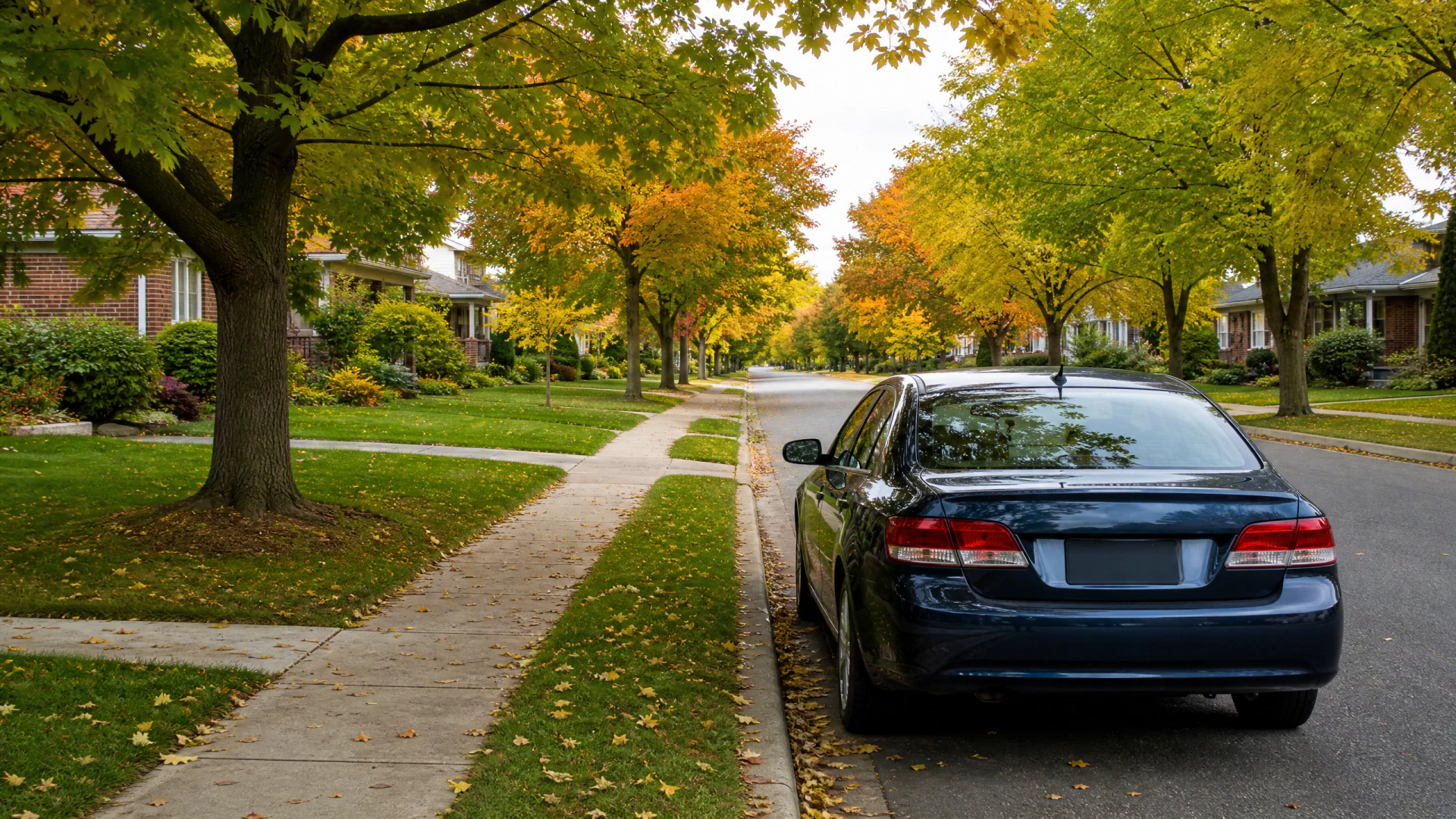
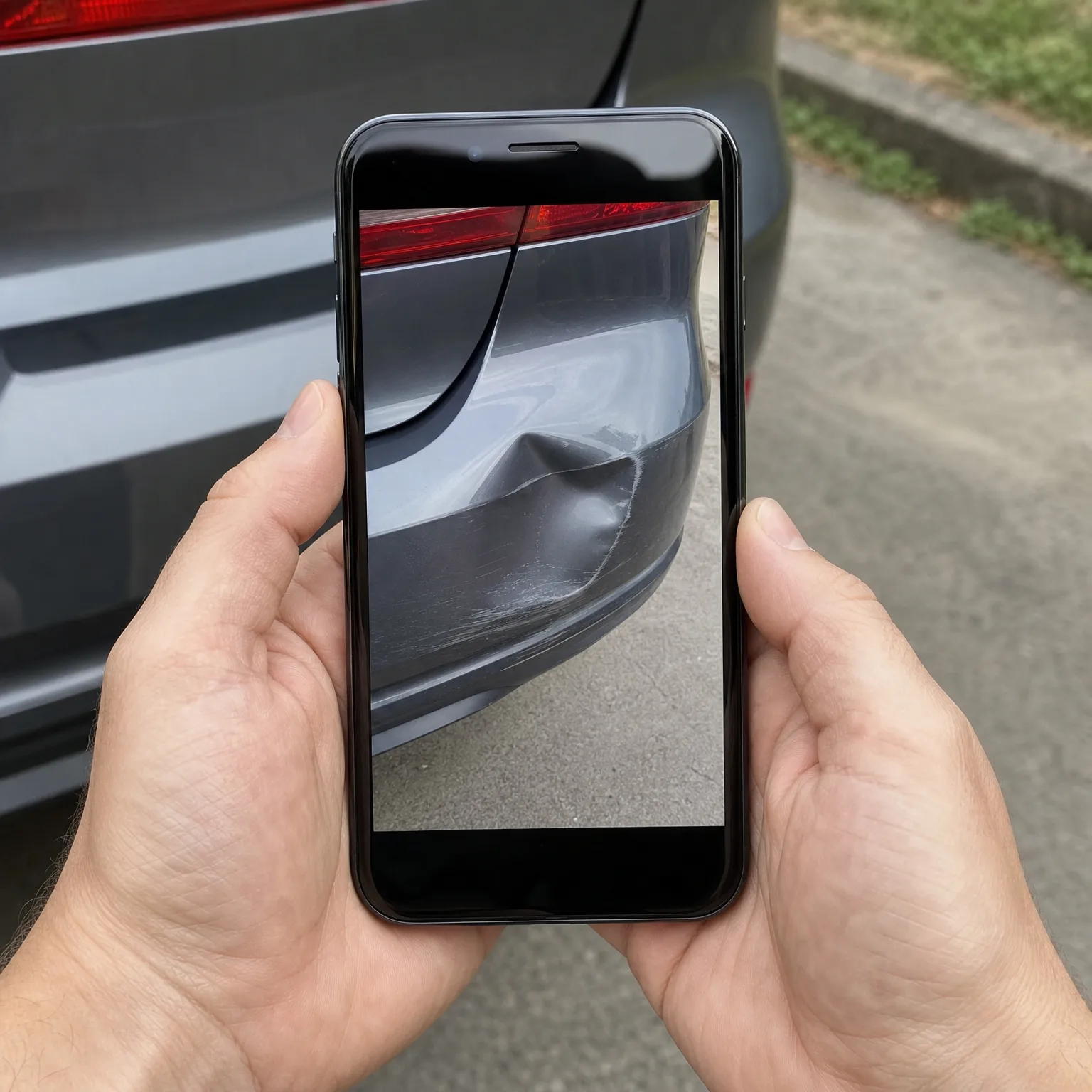
A couple traded in their two-door car for a larger sedan three months before their due date, putting down a decent chunk of savings to keep the loan manageable. Six weeks after the baby arrived, someone ran a red light and totaled the sedan. The car was only a few months old, so it had already lost a meaningful share of its value, more than the loan payments had covered.
The primary insurance paid out the car's cash value, which came in lower than the remaining loan balance despite the down payment. Because they had added gap coverage when they financed the car, the gap policy paid the difference directly to the lender, closing out the loan completely. They didn't have to come up with extra cash while also paying for a car seat replacement and medical visits. Instead of starting over with debt from a wrecked car, they used the primary payout to put money down on a replacement vehicle and moved on without the loan hanging over them during an already stretched stretch of parental leave.
Why the down payment doesn't need separate coverage
Gap insurance was built around a simple math problem. Cars lose value faster than many loans get paid down, especially in the first couple of years, and that gap between value and balance is what gap insurance exists to close. Your down payment already reduced how much you borrowed, so it's reflected in the loan balance from day one. There's no separate accounting for it because it was never a separate number to begin with.
This is also why gap insurance cares about your loan payoff amount rather than your original purchase price. The insurer isn't reconstructing your original transaction. It's comparing two numbers at the moment of loss, what you owe and what the car is worth, and paying the difference. Whether that owed amount reflects a large down payment, a small one, or a trade-in with negative equity rolled in, the calculation works the same way.
Where this gets more complicated is when extra costs get added to a loan after the fact, like extended warranties or service contracts. Some gap policies exclude those add-ons from the payoff calculation, which means your actual gap payout could be lower than your full loan balance. This varies by insurer and sometimes by state, so it's worth asking directly whether your loan has any add-ons and whether they're excluded.
The other variable is timing. Gap coverage calculated right after you financed the car reflects a bigger gap than the same coverage two years in, once you've paid down more of the loan. None of this changes whether your down payment is covered, but it does change how much the gap itself is worth protecting as your loan ages.