Does Gap Insurance Cover Transmission Failure
No, gap insurance only pays off the difference between your loan balance and your car's value after a total loss, not mechanical repairs.
Free to compare
Gap insurance solves one problem, and a broken transmission isn't it
Gap insurance was built to solve a very specific math problem. When a car is totaled or stolen, your regular insurance pays out the car's actual cash value, which is often less than what you still owe on your loan or lease. Gap coverage closes that difference so you aren't stuck paying off a car you no longer have. It only activates after your primary insurer has already declared the vehicle a total loss.
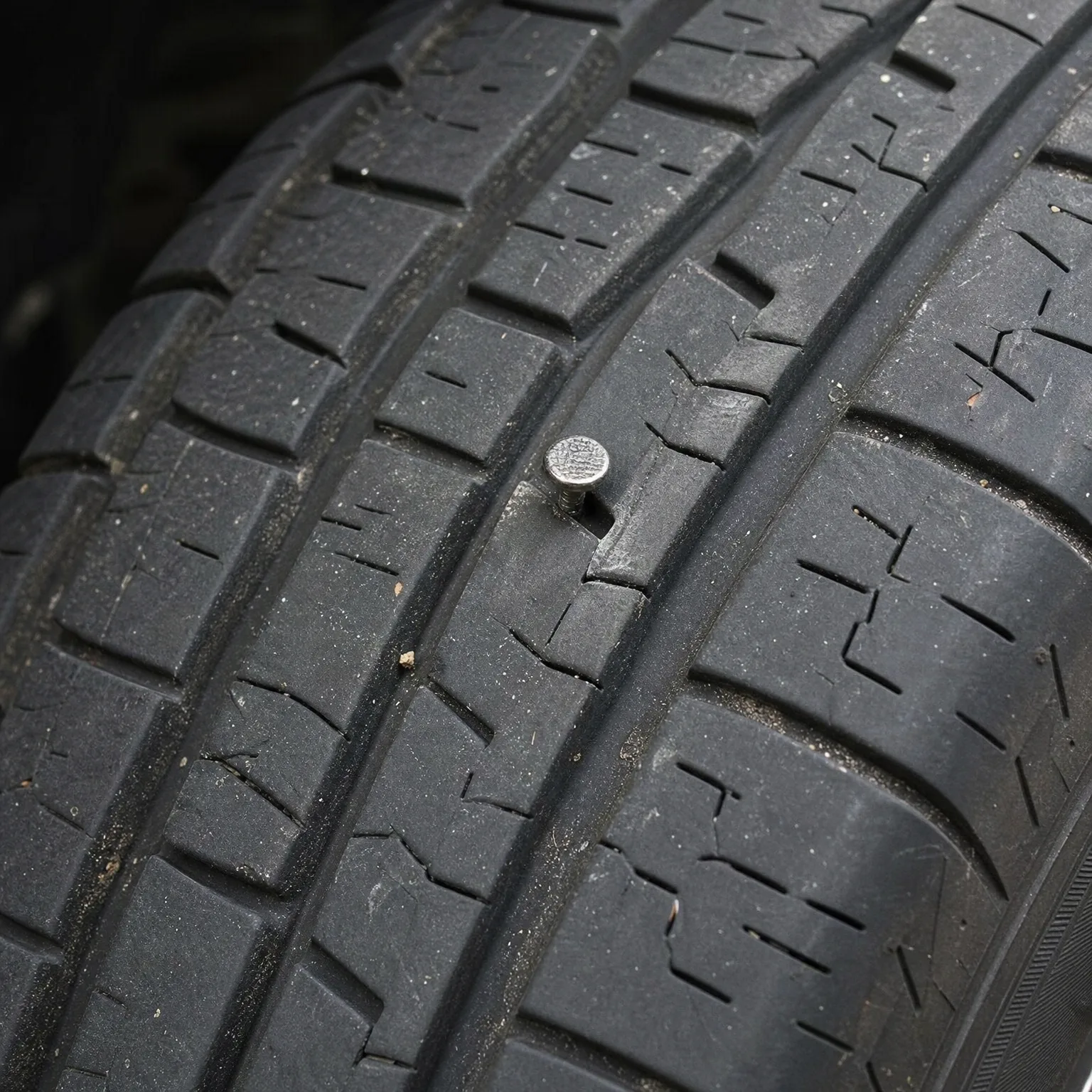
A transmission failure is a completely different kind of event. The car still exists, it still runs or can be repaired, and no insurance claim for a total loss is being filed. Because gap coverage is tied entirely to total-loss payouts, there's no mechanism for it to apply to a repair bill, no matter how expensive that repair is.
What actually covers mechanical failures like a transmission going out is a vehicle service contract, sometimes called an extended warranty, or your manufacturer's warranty if the car is still young enough to qualify. These are sold separately from both your car insurance and your gap coverage, and they work on a completely different logic, paying for repairs rather than payouts on a destroyed vehicle.
There's one edge case worth knowing. If a transmission failure causes a secondary event, like a fire or a crash that totals the car, your regular insurance and gap coverage could come into play for that total loss. But the transmission failure itself still isn't what's covered. Check your specific policy documents, since exact definitions of a covered loss can vary by insurer.

The short version
Gap insurance only pays the gap between your loan balance and your car's value when it's totaled, never for mechanical repairs. A failed transmission doesn't total your car, so gap coverage won't help. For protection against this, look into a vehicle service contract or extended warranty instead.
What actually covers a transmission failure on your car?
A vehicle service contract, often called an extended warranty, is what covers transmission failure and other mechanical breakdowns. These are purchased separately from your car insurance policy, either through the manufacturer when the car is new, through the dealer at time of purchase, or through a third-party provider later on. They work like a repair plan, paying for parts and labor on covered components rather than paying out cash for a totaled vehicle.
If your car is still within its manufacturer's original warranty period, that may already cover transmission problems without you needing to buy anything extra. Check your owner's manual or manufacturer's warranty booklet for what's included and how long it lasts, since this varies by manufacturer and sometimes by whether the car was bought new or used. If that warranty has expired, a separately purchased service contract is your main option for mechanical protection going forward.
Now that you know what gap insurance won't cover, compare quotes for the protection your family actually needs.

Whether you add a vehicle service contract alongside your gap coverage
If you do
A major repair like a transmission replacement gets covered under your service contract instead of coming out of pocket. You keep gap insurance doing its one job, protecting you from loan payoff gaps, while the service contract handles breakdowns. Together they cover both ends of what can go wrong with your car, financially and mechanically.
If you don't
If your transmission fails outside any manufacturer warranty, you're paying for the repair yourself, often a significant cost at a time when you're already budgeting carefully for a new baby. Your gap insurance stays untouched and irrelevant to this bill. You may end up delaying repairs or financing them separately, adding another expense to manage.
When a new parent's transmission went out two years into an auto loan
A father with a newborn at home had just traded in his sedan for a larger car to fit the new car seat, financing most of the purchase. About two years later, the transmission started slipping and eventually failed completely. He assumed between his car insurance and the gap coverage he'd added at the dealership, something would help cover the repair cost. When he called his insurer, they explained that gap coverage only applies when a car is totaled, and this wasn't a total loss claim at all.
He checked his paperwork and found the manufacturer's warranty had expired a few months earlier, and he had declined the extended service contract when buying the car to save money upfront. Without other coverage, he paid for the transmission replacement out of pocket, stretching the family budget during an already expensive stretch of early parenthood. Afterward he researched service contracts more carefully and purchased one for the remaining loan term, deciding that predictable monthly cost was worth avoiding another surprise repair bill while money was already tight.