Does Gap Insurance Cover You if You Sell Your Car
No, gap insurance only pays when your car is totaled or stolen, not when you simply sell it.
Free to compare
What actually ends your gap coverage
- Selling the car yourself This closes the policy with no payout, because nothing was totaled or stolen. You just cancel the coverage and ask about any refund for the unused portion.
- Paying off the loan Once you own the car outright, there is no gap left to cover between its value and a loan balance. Cancel the policy once the payoff is confirmed so you stop paying for coverage you no longer need.
- Trading in for a new car The old policy doesn't transfer, even if you roll the loan into a new vehicle. You'll need a new gap policy sized to the new loan and new car value.
- Refunds on canceled policies Many gap policies refund the unused portion if you cancel early, but this depends on the insurer and how you purchased it. Ask directly, since dealer-sold gap policies often work differently than insurer-added ones.
- Timing your cancellation Cancel gap coverage around the same time you finalize the sale or payoff, not before. Canceling too early leaves you without protection if something happens to the car in the meantime.
Selling a car with a loan still attached
A new parent decides to sell their sedan privately to buy something with more room for a car seat and a stroller. The loan balance is still a bit higher than what the car is worth, so they use the sale price plus some savings to pay off the loan in full before handing over the keys. Once the payoff clears, they call the insurer to cancel the gap policy, since there's no loan left for it to protect.
The insurer confirms the policy was purchased separately from the loan, not bundled through the dealer, so a portion of the premium gets refunded for the months of coverage they won't use. The refund isn't large, but it's money they wouldn't have gotten back without asking. They use it toward the new car's first insurance payment, which already includes updated coverage for the baby's car seat and the new vehicle's higher value.
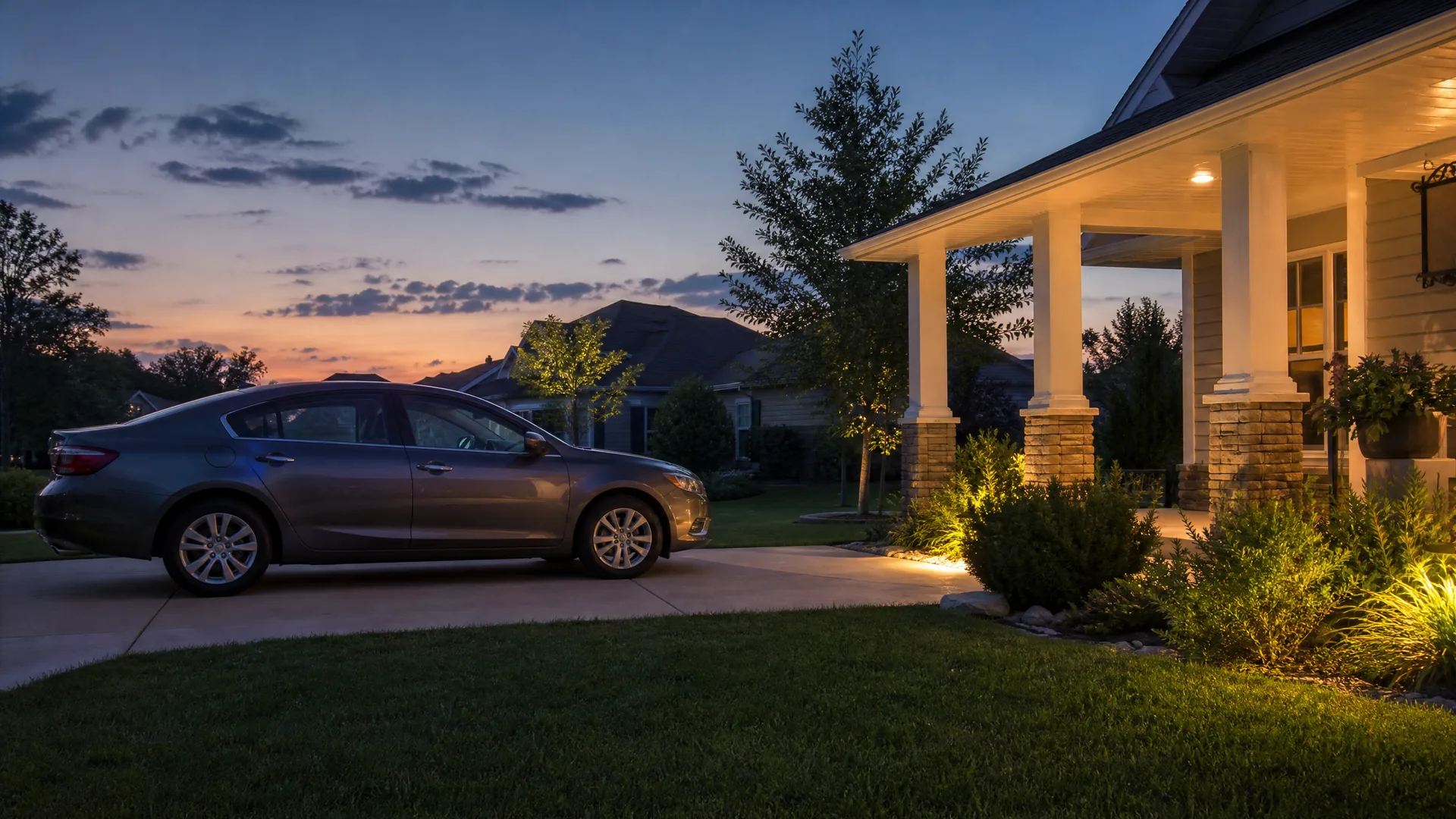
Now that you know gap coverage ends when you sell, compare quotes for your next car's policy.

Should you cancel gap insurance before or after the sale
If you do
If you cancel right after the sale clears and the loan is paid off, you stop paying for coverage you no longer need and may get a refund for the unused months. You're not exposed to risk because the car is no longer yours to lose.
If you don't
If you forget to cancel, you keep paying premiums for a policy that can't pay out on a car you don't own anymore. Eventually the insurer may flag it, but you could lose months of payments before anyone catches it.
Why gap coverage only responds to a total loss
Gap insurance exists for one narrow purpose. It covers the difference between what you owe on a car loan and what the car is actually worth, but only when the car is totaled or stolen and a regular insurance payout falls short of the loan balance. Selling the car is a voluntary transaction, not a loss, so there's nothing for gap insurance to respond to.
This is why the coverage is tied to the loan, not to the car itself or to you as a driver. Once the loan is paid off, through a sale, a trade-in, or just by making all your payments, the gap closes on its own. There's no longer a difference between the value and the balance, because there's no balance left.
What varies is how your particular policy was sold and whether it refunds unused premium. Dealer-financed gap add-ons are sometimes bundled into the loan itself and can be harder to unwind cleanly, while gap policies purchased through an insurer tend to be simpler to cancel and refund. Check your paperwork or call the provider to see which kind you have before assuming either way.
The one case where this gets more complicated is leasing. Lease-end gap coverage sometimes works differently, since the leasing company retains ownership, so the terms for ending that coverage can depend on your specific lease agreement rather than the general rule above.
Gap insurance protects the loan, not the sale, so think of it as something you turn off once the debt is gone.