Does PIP Cover Medical Bills
Yes, PIP pays your medical bills after a car accident no matter who caused it, up to your policy's limit.
Free to compare
A rear-end crash during the third trimester
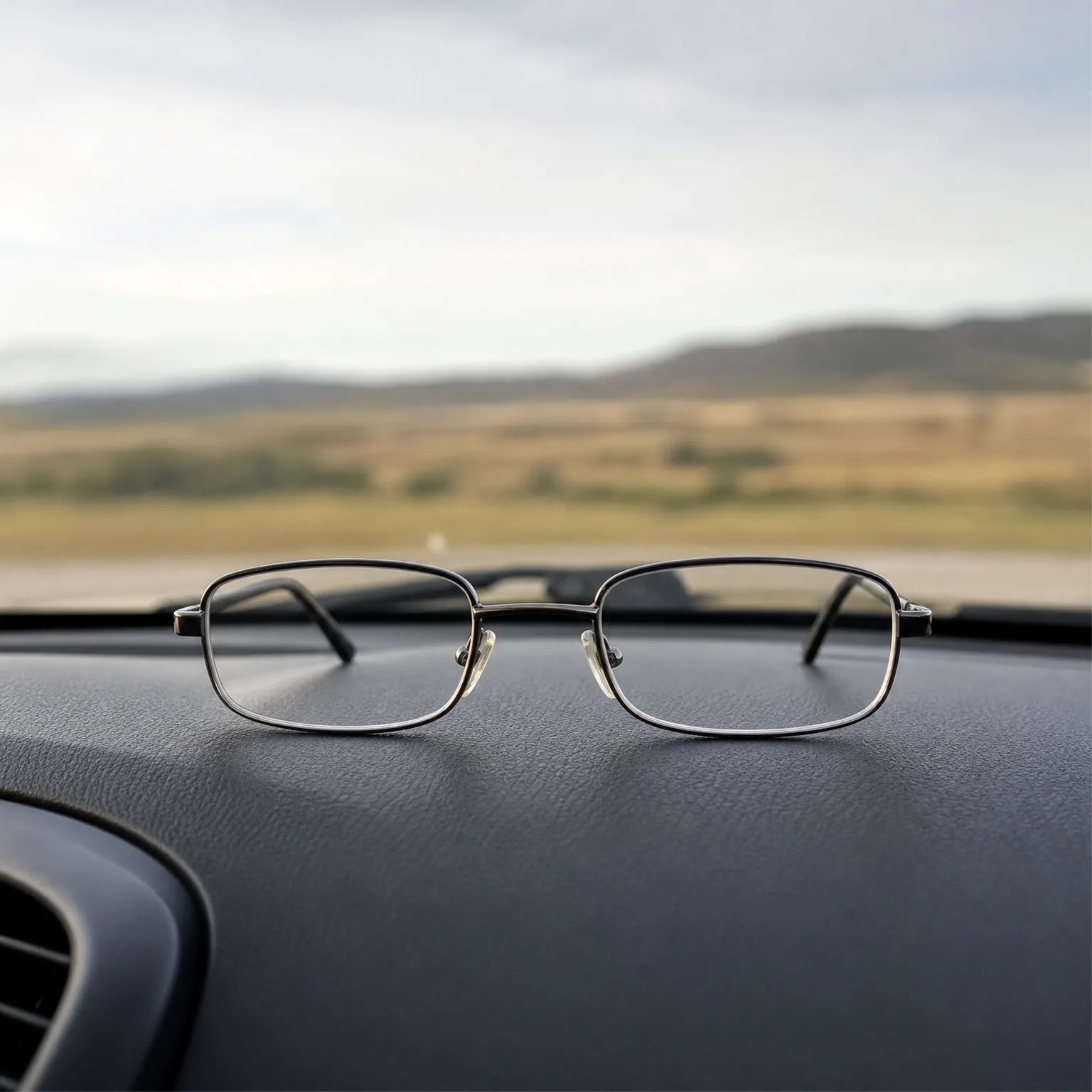
A driver pregnant with her second child was rear-ended on the way to a prenatal appointment. She wasn't at fault, but her state required PIP on every policy, so instead of waiting on the other driver's insurer to accept blame, she called her own company the same day. PIP started paying her ER visit and the follow-up ultrasound right away, while fault was still being sorted out between the insurers.
A few weeks later she needed physical therapy for neck pain, and her PIP also covered a portion of her lost wages while she was out on modified duty. She kept every receipt and had her OB document that the visits were accident related, which made the claims move faster. By the time the fault determination came back months later, her medical bills were already paid and she wasn't left waiting on a check to see a doctor.

The short version
Yes, PIP covers medical bills from a car accident no matter who caused it, up to the limit on your policy. It exists so you get treated without waiting on a fault fight between insurers. Check your state's rules and your own policy limit, and raise it if you're pregnant or have a newborn depending on you.
Does PIP Cover the Baby If I'm Pregnant During a Crash?
Often yes, but this depends heavily on your state and policy, so you need to check it directly rather than assume. Many PIP policies treat a pregnancy complication from an accident as a covered medical expense, including monitoring, early delivery, or NICU care if the crash caused it.
The details matter here. Some states extend PIP to an unborn child as a covered person, others don't address it clearly, and some insurers handle it case by case depending on how the injury is documented. Ask your insurer directly, before anything happens, whether pregnancy complications from a crash are covered and whether the child would be treated as a separate covered person once born. Get the answer in writing if you can, and do this now rather than after a baby arrives, since adding coverage or raising limits usually can't happen retroactively after a claim starts.
Now that you know what PIP covers, compare quotes to see what limit fits your family's situation.

Should you raise your PIP limit before the baby comes
If you do
Your medical bills, prenatal visits, delivery complications, and follow-up care from any accident get paid up to a higher limit, without you fronting cash or waiting on a fault dispute. If a serious crash happens during pregnancy or right after, a low limit runs out fast and you're left covering the rest yourself.
If you don't
You keep paying the same premium, but if a crash causes a complicated delivery or a long NICU stay, your low PIP limit can be used up quickly. You'd then rely on health insurance or the other driver's liability coverage, which can take months to resolve while bills arrive now.
Does PIP cover a car seat that was in the crash?
No, PIP covers medical expenses, not vehicle equipment, so a damaged car seat falls under your collision or liability coverage instead. Most manufacturers recommend replacing any car seat involved in a moderate or severe crash regardless of visible damage. Check your policy's property damage section or call your insurer to ask whether car seat replacement is covered and under which part of your policy, since this varies by insurer and sometimes by state.
Does PIP cover a passenger who isn't a family member?
Usually yes, PIP typically covers anyone riding in your car at the time of the accident, not just family members. The exact definition of a covered person depends on your state's PIP rules and your policy wording. Check whether your state requires PIP to extend to all passengers or only household members, since a few states limit this. If someone outside your household is often in your car, confirm this directly with your insurer.
Does PIP cover medical bills if the other driver was clearly at fault?
Yes, PIP pays regardless of fault, so it still applies even when the other driver is clearly responsible. This is the entire point of PIP, it gets your bills paid immediately instead of waiting for the fault investigation and the other insurer's decision. You can still pursue the at-fault driver's insurer afterward for costs beyond what PIP covers, depending on your state's rules on recovering from both sources.