Does Using PIP Raise Your Insurance
Using PIP alone usually won't raise your rate, but it depends on who caused the crash and how your insurer treats no-fault claims.
Free to compare
It comes down to fault, not the coverage you used
PIP exists because some states require no-fault coverage so medical bills get paid fast, before anyone sorts out who caused the crash. Because of that, many insurers treat a pure PIP payout differently than a liability claim. If you were hurt in a crash someone else caused, filing a PIP claim just to get your medical bills covered quickly often doesn't count against you the way an at-fault accident would.
What changes the outcome is whether the crash itself was your fault. If you caused the accident and also use PIP for your own injuries, the rate impact comes from being the at-fault driver in the crash, not from the PIP claim itself. The PIP payout is almost incidental at that point. Insurers are pricing the risk you showed by causing a collision, and PIP is just one of the coverages that paid out because of it.
Insurers also look at patterns over time. A single PIP claim after a clear no-fault accident looks very different to an underwriter than several claims in a short window, even if each one seems minor. Frequency matters almost as much as fault, because it signals ongoing risk rather than one bad day.
This is also an area where state rules and individual insurer practices genuinely diverge. Some states limit how claims history can be used in pricing, and insurers vary in how they weigh no-fault payouts versus at-fault ones. Check your state's rules on claim surcharging and ask your insurer directly how they classify PIP claims before you assume either way.
What actually determines the outcome
- Who was at fault Fault is the biggest factor. If the other driver caused the crash, your PIP claim is less likely to raise your rate than if you caused it.
- How many claims you've filed One claim rarely moves your rate much. Multiple claims in a short period, even small ones, tend to draw more attention from insurers.
- Your state's surcharge rules Some states restrict how insurers can use no-fault claims in pricing. Check your state's department of insurance site for the specifics.
- Your specific insurer's policy Insurers don't all treat PIP the same way. Call and ask directly how they classify no-fault claims before you decide whether to file.
- The size of the claim Larger medical payouts can draw more scrutiny than small ones, even under no-fault rules. Ask how claim size factors into their review.
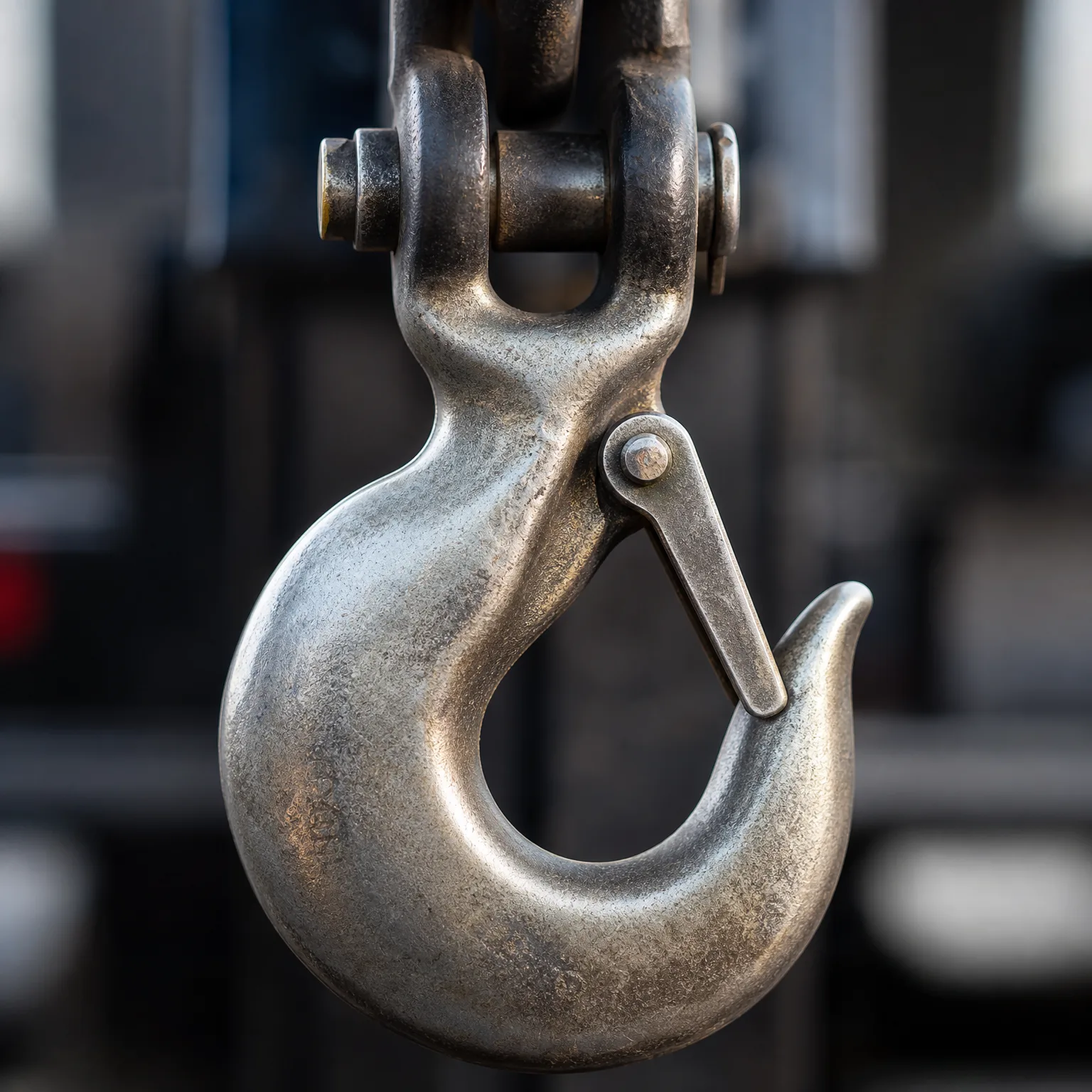
A rear-end crash with a car seat in the back
You're stopped at a light with your baby in the back seat when another driver rear-ends you. Nobody is seriously hurt, but you take your child to the pediatrician to be checked out and you see a doctor yourself for neck pain. Your state requires PIP, so you file a claim through your own policy to cover those medical visits right away, instead of waiting on the other driver's insurer to sort out fault.
Because the crash was clearly the other driver's fault, your insurer processes the PIP claim without treating it as a sign you're a risky driver. You also replace the car seat, since any car seat involved in a moderate or severe crash should be replaced even if it looks fine. At renewal, your rate reflects the fact that someone else caused the accident, not the medical claim you filed to get bills paid quickly. The lesson you walk away with is that filing PIP didn't put you at risk. It was the tool that let you take care of your family without waiting.
Compare quotes knowing a no-fault PIP claim from someone else's mistake shouldn't be held against you.
Will filing a PIP claim make my insurer drop me?
A single PIP claim, especially after a no-fault accident, is very unlikely to get you dropped. Insurers reserve non-renewal for patterns of risk, like repeated claims, at-fault accidents, or other red flags in your driving history.
What matters more than any one claim is the overall picture your file shows over time. If you've had one clean record and then one no-fault crash where you used PIP to cover medical bills, that's a normal use of the coverage working as intended. If you're worried, ask your insurer directly what their non-renewal criteria are, since this varies by company and by state.
The crash itself sets your rate. The coverage you use to pay for it almost never does on its own.
Does PIP cover my baby's medical bills after a crash?
Yes, PIP typically covers medical expenses for passengers in your vehicle, including infants and children, regardless of who caused the crash. Check your policy's per-person limits, since PIP coverage amounts can vary by state and by policy, and confirm whether your child needs to be listed as a covered dependent.
Should I file a claim or just pay out of pocket?
File the claim if PIP is designed for exactly this situation, since that's what you're paying for. Paying out of pocket to avoid a hypothetical rate increase usually costs you more than any small rate change would, especially for pediatrician visits or ER checks after a crash.
Does PIP affect my insurance if the other driver was at fault?
It shouldn't significantly affect your rate, since fault determines the risk assessment, not which coverage paid the bill. Confirm with your insurer how they specifically handle no-fault claims, since practices differ by company even within states with similar PIP laws.