How Long Should You Keep a Car Before You Trade It
Trade when the car stops fitting your family's needs and you're no longer paying more to keep it than to replace it.
Free to compare
The right time is about loan balance and need, not age
A car is worth trading when two things line up: you owe less on it than it's worth, and it no longer does what your family needs. Either one alone isn't a clear signal. You can love a car that's underwater on the loan, and you can have equity in a car that's genuinely too small or too unreliable to keep driving once a baby is in the picture.
The loan math matters because trading in while you owe more than the car is worth means rolling that gap into your next loan. That's not always a dealbreaker, but it does mean a bigger payment or a longer term on the next car, so it's worth knowing where you stand before you shop. Check your current loan balance against what your car is actually worth right now, not what you paid for it.
The need side is personal and it's changing faster right now than it has in years. A newborn adds a car seat, a stroller, and gear that takes up real space, and what felt like plenty of room before can feel tight fast. If you're also considering a second car seat down the line, think about whether the back seat fits two, not just one.
Sometimes the honest answer is to wait. If your car is reliable, paid off or close to it, and still fits your family, a new baby alone isn't a reason to trade. The financial strain of a new or newer car payment right when you might be on reduced income during leave is real, and it's worth weighing against the convenience of more space or new safety features.

A coupe that no longer worked once the car seat went in
One expectant parent had a two-door car they'd owned for several years, still running well and almost paid off. Installing the car seat for a hospital test run showed the problem fast: the seat fit, but getting it in and out of the back seat every day meant climbing over the folded front seat each time. It wasn't a safety issue, it was a daily hassle that was only going to get worse.
They checked their loan payoff against the car's trade-in value and found they had a small amount of equity, enough to make a trade feel low-risk rather than costly. Instead of buying new, they looked for a low-mileage used four-door in the same price range, which kept the payment close to what they already had. They traded a few weeks before the due date, giving themselves time to get the new car seat installed and adjusted without doing it between hospital visits. The car itself wasn't the problem, the door count was, and that made the decision simpler than it first seemed.
Should you wait until after the baby arrives to trade in your car?
Trading before the baby arrives is usually easier, if your finances allow it. You'll have more time, more energy, and no infant to manage while you test drive cars, handle paperwork, or deal with a dealership. Once the baby is here, even simple errands take longer, and car shopping is not a quick errand.
The exception is money. If you expect reduced income during parental leave, taking on a new payment right before that starts can strain a tight budget at the worst time. In that case, it may be smarter to wait until income stabilizes again, even if it means tolerating a cramped back seat for a few months. Weigh the hassle of waiting against the real cost of a new payment landing during leave.
Once you've decided whether to trade now or wait, compare quotes for the car you're actually considering.


What actually decides whether to trade now
- Loan balance vs. value Check what you owe against what the car is worth today. If you're underwater, trading means rolling that gap into the next loan, which raises your new payment.
- Back seat and car seat fit Install or test-fit a car seat before deciding anything. A two-door or a tight back seat can turn a fine car into a daily frustration once there's a baby in it.
- Income during leave If you'll be on reduced income for a while, think twice about adding a new payment right before it starts. Waiting a few months can protect your budget.
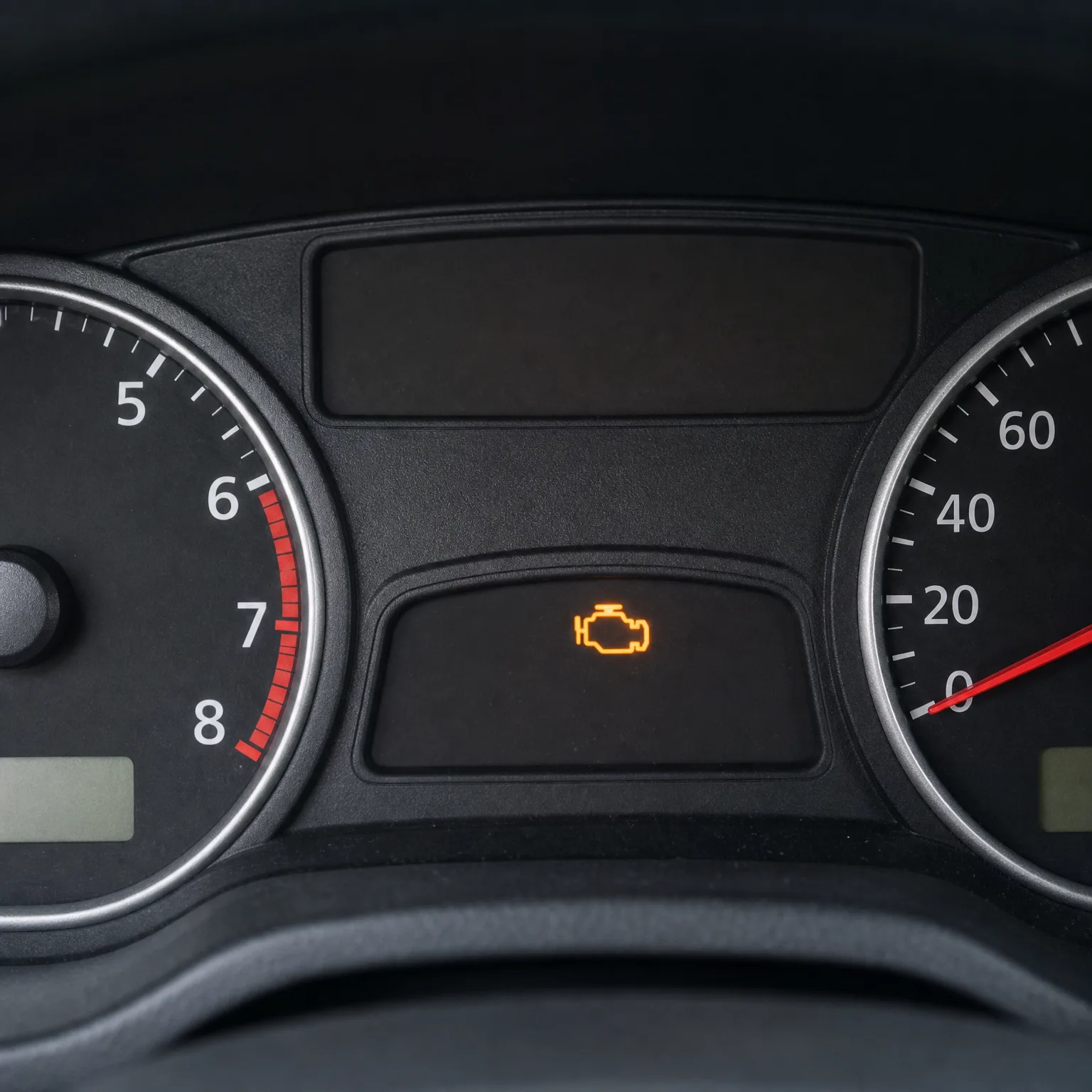
- Reliability and upcoming repairs A car that's about to need expensive work is a different case than one that's just short on space. Get it checked so you're not guessing.
- Insurance cost on the next car Before you commit, get a quote on the specific car you're considering. Newer or larger vehicles can shift your premium more than people expect.
The baby isn't the reason to trade. Whether the car still fits your space, budget, and life is.