Is It a Good Idea to Trade In a Car After 6 Months
It's usually a bad financial move, but it can still be the right one if the car no longer fits your family's needs.
Free to compare

What to check before you trade in this early
- What you owe versus its worth Ask the dealer or your lender for a payoff quote and compare it to the car's trade-in value. If you owe more than it's worth, that gap gets added to your next loan unless you pay it off separately.
- Whether a car seat fits safely Not every back seat accommodates a rear-facing seat comfortably, and that's a real reason to trade in early. Have the seat installed and checked before deciding the car itself is the problem.
- Your loan's payoff rules Some loans charge a fee for paying off early, and this varies by lender. Call and ask directly instead of assuming the number on your statement is final.
- How the loan affects your budget If you're dropping to one income for leave, a bigger loan payment on top of lower pay can strain things fast. Run the full monthly numbers before you sign anything.
- What happens to your insurance Trading vehicles means updating your policy, not starting a new one. Tell your insurer about the new car and new driver situation at the same time so nothing lapses.
The short version
Trading in after six months almost always costs you money, since the car has already lost value and you may still owe more than it's worth. The real reason to do it is fit, not finances, like a car seat that won't install safely. If that's you, get your payoff amount first, then compare it against trade-in value.
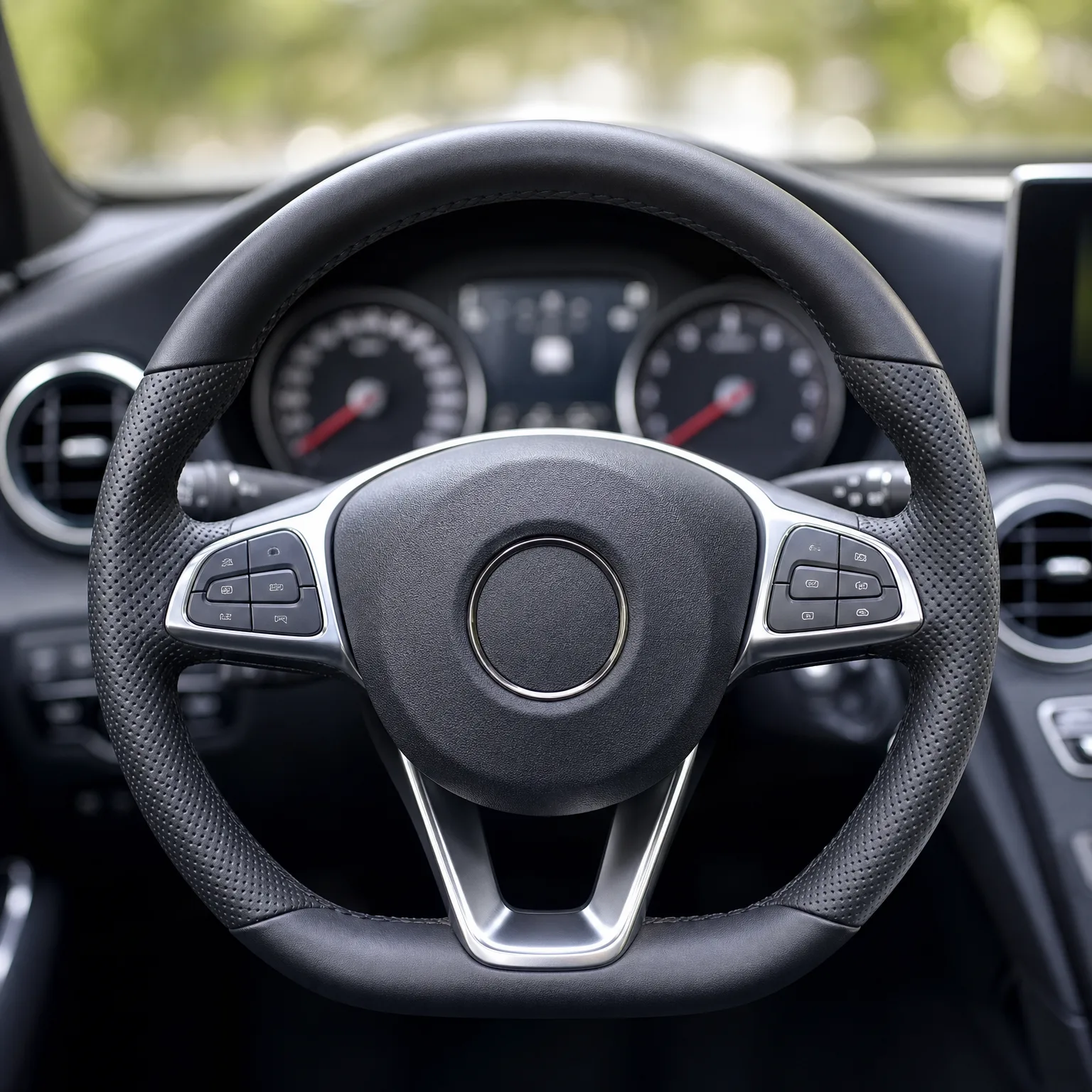
A parent who traded in for safety, not convenience
A father bought a two-door coupe eight months before his daughter was born, long before he knew a baby was coming. Once the car seat arrived, he found he couldn't get it rear-facing behind the front seat without pushing it uncomfortably close to the dashboard. He called his lender first and got his exact payoff amount, then had a dealer appraise the coupe before negotiating anything. The gap between what he owed and what the car was worth was real, but smaller than he feared.
He rolled that gap into a loan for a four-door sedan with more rear legroom, accepting a slightly higher payment in exchange for a seat that installed correctly and a back seat he could actually reach from either side. He also called his insurer the same week to swap the vehicles on his policy and add a note about the new car seat, since some insurers ask about that for liability reasons. He lost money on the trade, but he counted it as the cost of a car that worked for his family, not a mistake.
Once you know whether you're trading for the right reason, compare quotes for the car you're actually choosing.

Trading in now versus waiting it out
If you do
You get a car that fits your family's needs right away, with a seat that installs properly and space you can use daily. You'll likely take a financial hit from the gap between what you owe and the car's worth. Your payment may rise, and insurance needs updating so coverage carries over without a gap.
If you don't
You keep your current payment and avoid rolling negative equity into a new loan. But you're stuck working around a car that may not fit your car seat or daily routine with a newborn, which can mean real frustration or safety compromises. You can always revisit trading in later once things are clearer.
Can I add my car seat to my insurance policy somehow?
No, car seats aren't insured as separate items on a standard auto policy, but they may be covered indirectly. Most policies pay to replace a car seat that was in the car during an accident, regardless of visible damage, since manufacturers recommend replacement after a crash. Check your policy's personal property or equipment provisions, and ask your insurer directly, since this varies by company and sometimes by state.
Do I need to add my newborn to my car insurance policy?
Not as a driver, but you should still call your insurer. A newborn isn't rated on your policy the way a driver is, but adding them as a named insured or updating your family information can matter for liability and medical coverage. This is also a good time to review your liability limits, since you now have a dependent whose financial future could be affected by a serious accident.
Will a new car seat installation void my car's warranty?
No, installing a car seat does not affect your vehicle's warranty in any standard way, since it doesn't alter the car itself. What can matter is whether the seat anchors correctly using the built-in anchor points, which is a safety issue, not a warranty one. If you're unsure about fit, many fire stations and some retailers offer free installation checks, and that's a better path than guessing on your own.