If I Buy a Car on the Weekend Will My Insurance Cover It
Yes, a car you buy on a weekend is covered the same as one bought any other day, as long as you already have an active policy.
Free to compare
Your policy doesn't know or care what day it is
Insurance coverage isn't tied to business hours. It's tied to the moment you take ownership of the car. The day of the week has nothing to do with whether your policy responds, because the contract you signed covers you continuously, not just when an agent's office happens to be open.
What actually matters is the provision in your existing policy for newly acquired vehicles. Most policies extend coverage automatically to a new car for a short window after purchase, often matching whatever coverage you carried on the car you already insured. This is built into the policy language precisely so a weekend or holiday purchase doesn't leave you exposed.
The part that varies is how that automatic coverage works. Some policies extend it only if you already own another vehicle on that same policy. Some require you to already carry comprehensive and collision on an existing car before it will extend those same coverages to the new one. If you're buying your very first car, or adding a car when you had none insured before, you likely won't have this automatic extension at all, and that's true regardless of what day you buy it.
The other variable is the dealership or seller itself. If you're financing through a dealer, they will almost always require proof of insurance before you drive off the lot, weekend or not. If you're buying from a private seller, nobody is checking, which means it's entirely on you to know whether you're actually covered the moment you drive away.
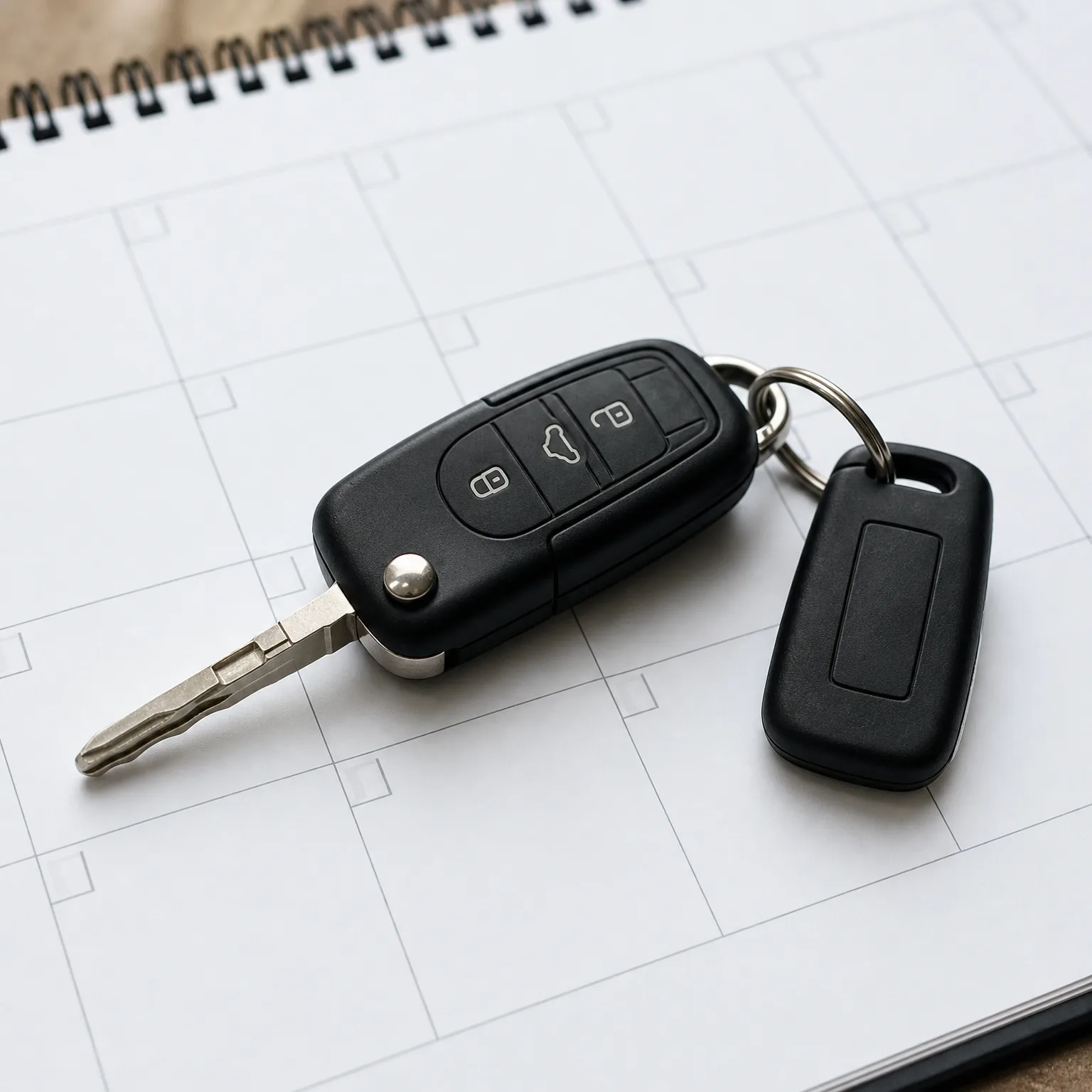
What decides whether you're actually covered
- An existing active policy The automatic coverage for new cars only kicks in if you already have a policy in force. Without one, a weekend purchase gives you zero coverage until you buy a policy.
- Your policy's grace period Check how many days your policy gives you to add a new car after buying it. This window usually starts the moment you take ownership, not the next business day.
- Matching coverage levels The new car usually only gets the same coverage types you already carry, like comprehensive or collision. If you dropped those on your old car, they likely won't extend to the new one.
- Calling in during the window You still need to formally add the car once you can reach your insurer. Many insurers let you start this online or by phone message even when offices are closed.
- Lender or dealer requirements If you financed the car, your lender may require proof of coverage immediately, regardless of your grace period. Confirm this before you sign anything at the dealership.
The coverage isn't automatic because of the weekend, it's automatic because of the policy you already have.
Now that you know how your policy handles a new car, compare quotes to find one that covers you just as well.
Buying a second car from a private seller on a Saturday
A driver already insured one car on their policy and found a good deal on a second car from a private seller on a Saturday afternoon. They paid, signed the title, and drove it home that day, worried because no insurance office was open to add it formally. Because their existing policy already included comprehensive and collision on their first car, the new car was automatically covered under the same terms for the days right after purchase.
They called their insurer first thing Monday morning and added the car officially, backdating it to the purchase date without any issue. Nothing happened during that weekend, but if it had, the automatic coverage would have applied. The lesson they took from it wasn't about the weekend at all, it was that they only felt safe because they'd checked their policy's new-car provision months earlier out of curiosity, not during the stressful moment of buying the car.

How many days do I actually have to add the new car to my policy?
It depends entirely on your insurer and your specific policy, so there's no universal number to rely on. Some policies give a short grace period measured in a handful of days, others extend it longer, and some conditions can shrink or void that window entirely, such as not already carrying physical damage coverage on another vehicle.
The only reliable way to know your real timeline is to read the new-vehicle provision in your policy documents or ask your insurer directly before you need it. Don't assume the window is generous, and don't assume it matches what a friend's policy allows, because this is one of the details that varies most by insurer. If you're planning a purchase, confirming this number in advance turns a stressful weekend scramble into a simple phone call on Monday.