
Is Car Insurance Cheaper With Fewer Drivers
Yes, removing a driver typically lowers your premium, but the real savings depend on who's gone and who's still on the policy.
Free to compare
Why fewer drivers usually means a lower bill
Insurers price a policy by adding up the risk of everyone who might get behind the wheel of your cars. Every driver on your policy carries their own history, age, and record, and the insurer blends all of that into one number for your household. Take a driver off, and you take their risk out of that blend, which is why the premium usually drops.
But the size of the drop depends entirely on who you remove. If you're taking a newly licensed teenager off a policy, you'll likely see a real difference, because new drivers are expensive to insure almost everywhere. If you're removing someone with a clean record who barely added to the cost in the first place, the change might be small.
This also depends on what you're doing with the driver you remove. If they still drive your cars sometimes, most insurers want them listed anyway, even as an occasional driver, and leaving them off entirely can cause problems with a claim later. The honest move is to remove someone only when they genuinely stop driving your vehicles, not just to shave the bill.
Household structure matters too. If you're newly a family of three or more instead of two, insurers in some states look at your full household differently, and the way they count resident relatives or drivers can change your options. Check with your insurer directly on how they define who must be listed, since this varies by company and by state.
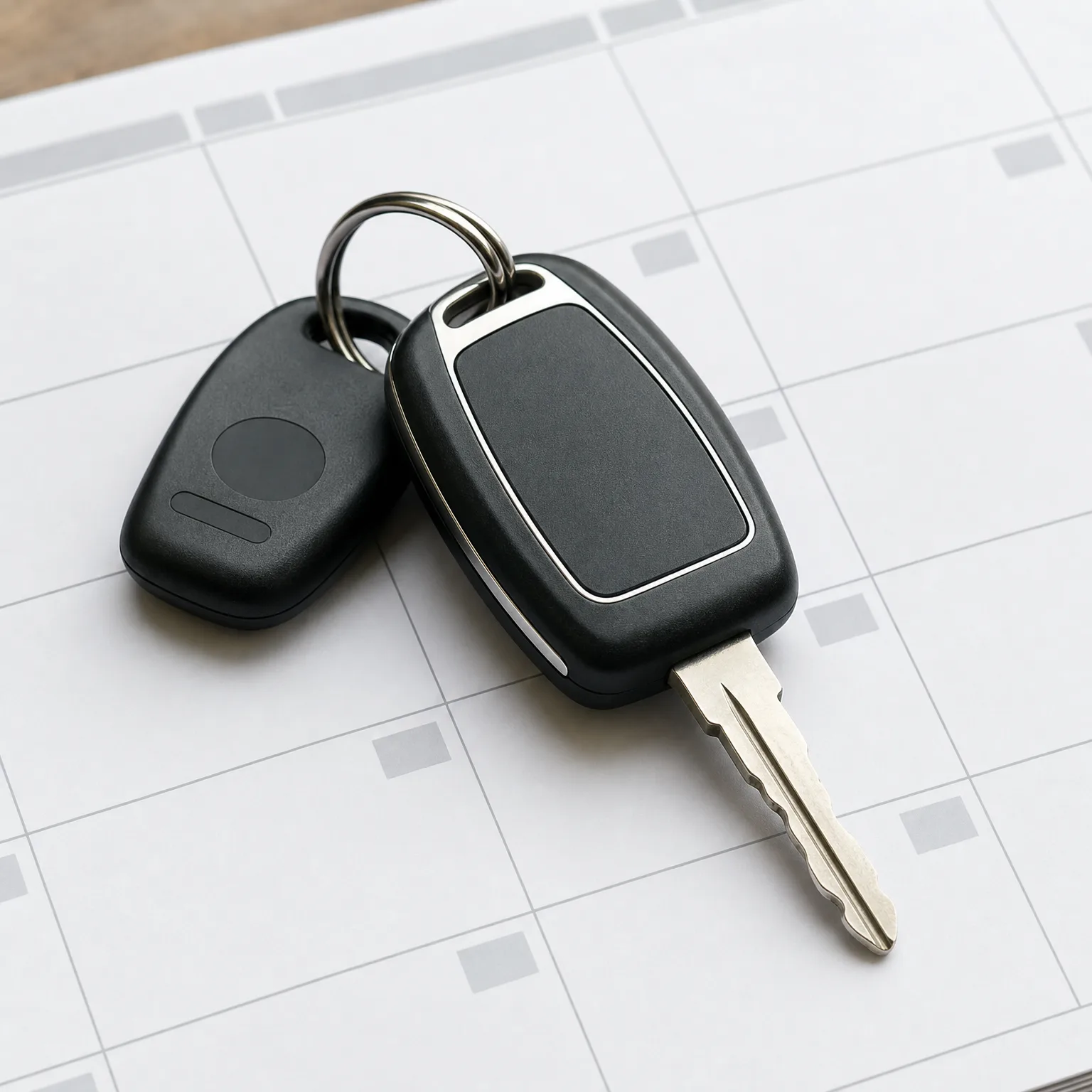
What actually changes your price when you adjust drivers
- Who you remove matters most Removing a young or new driver saves more than removing an experienced one. Check your policy's per-driver breakdown if your insurer provides one, so you know who's really driving the cost.
- Occasional drivers still count If someone still drives your car sometimes, most insurers expect them listed even if they're not a primary driver. Ask your agent how occasional use should be reported before you remove anyone.
- Household size can shift pricing Adding a child doesn't add a driver, but some insurers reassess household risk when your family grows. Mention the new baby when you call, even though they won't be rated for years.
- Leave doesn't mean drop coverage Going down to one income doesn't mean you need to drop coverage on the other car. Ask about low-mileage or reduced-usage discounts instead of removing a driver who still needs the car occasionally.
- Recheck coverage too A newborn is a good moment to raise liability limits, not just adjust who's listed. Call your insurer about both changes together so you don't pay for two separate updates.

Removing a driver who no longer drives your car
If you do
Your premium usually drops, sometimes noticeably if that driver was young or had violations. Your insurer updates the policy to reflect only the people actually driving your vehicles. If that person needs to drive your car again later, even once, call first and add them back before they do.
If you don't
You keep paying for a driver's risk even though they're gone, which quietly inflates your premium every renewal. Nothing goes wrong immediately, but you're overpaying for coverage tied to someone who isn't using your car anymore. Review your policy next renewal and make the change then if you missed it now.
Once you know who belongs on your policy, compare quotes to see what the right driver list actually saves you.
Should I add my new baby to my car insurance policy?
No, not as a driver, obviously, but yes, you should call your insurer anyway. A new child in the household can affect how some insurers calculate your risk pool or household discounts, even though your baby won't be rated for decades. It's also the right moment to mention a new car seat or any vehicle changes, since those affect your coverage needs separately from who's listed as a driver.
More importantly, a new baby is the moment to look at your liability limits, not just your driver list. If something happens and you're found at fault, your liability coverage is what protects your family's finances and future income, which suddenly matters more with a dependent. Ask your insurer to walk through your current limits and whether they still make sense for a household that now includes a child who depends entirely on you.
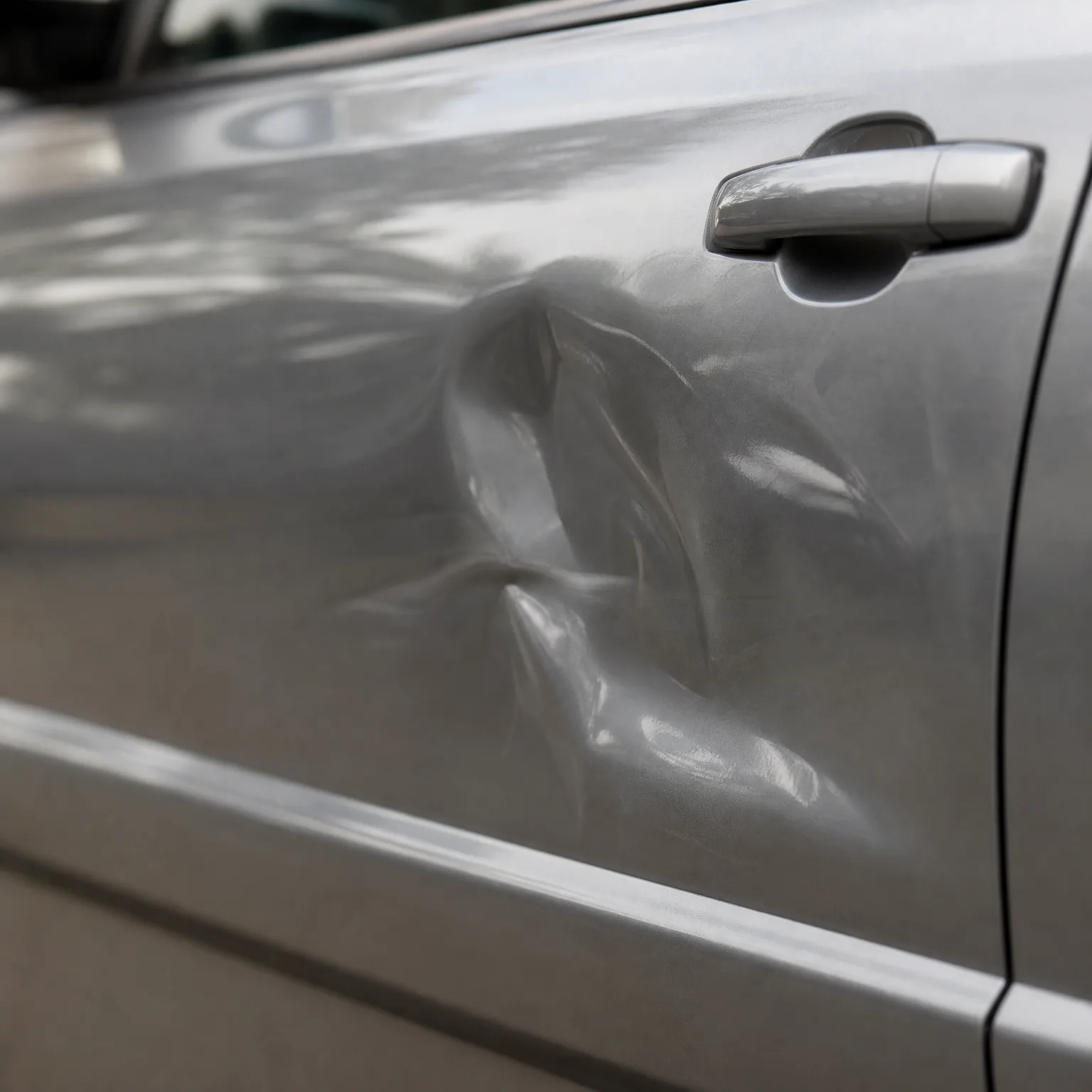
When one parent stops driving the second car
A couple expecting their first child decided one parent would stay home during leave, and the car that parent used to commute in would mostly sit in the driveway for months. They called their insurer to ask whether removing that parent as a driver made sense, since the car wouldn't be used daily anymore. The insurer asked whether the car would still be driven occasionally, for errands or appointments, and the couple said yes, just less often.
Instead of removing the parent entirely, the insurer suggested marking the car as low mileage and keeping both drivers listed, since removing someone who still drives occasionally can cause issues if they're in an accident while unlisted. The couple ended up with a modest discount for reduced mileage without the risk of a gap in coverage. When leave ended and commuting resumed, they called again to update the mileage estimate back to normal, keeping the policy accurate on both ends.
Does removing a driver affect a claim if that person is in an accident later?
Yes, if they were removed but still drive your car, a claim can be denied or reduced because they weren't listed. Only remove someone once they've genuinely stopped driving your vehicles. If there's any chance they'll drive it again, even rarely, ask your insurer about listing them as an occasional driver instead.
Can I add my spouse as a driver instead of keeping us both rated separately?
In most cases you're already rated as a household, not as two separate policies, so this usually isn't a separate choice. What matters is whether both of you are listed as drivers on the same policy. Ask your insurer how they structure multi-driver households, since this affects which discounts apply.
Will my premium go up when I add a car seat to my car?
No, a car seat itself typically isn't rated or priced into your premium. What matters after an accident is whether your insurer replaces the car seat regardless of visible damage, since manufacturers often recommend replacement after any collision. Check your policy's personal property or injury coverage for car seat replacement terms, since this varies by insurer.