Two Cars or One With a New Baby
Keep two cars if both incomes depend on reliable transportation, drop to one if you can manage the logistics and want the savings.
Free to compare

What actually decides this for a new parent
- Income replacement risk If both parents need a working car to earn income, losing one car to a breakdown or accident is a real financial hit. Keep two cars if neither job tolerates unreliable transportation.
- Second car's real cost A second car adds a full separate premium, not a small add-on, though many insurers discount multi-car policies. Get an actual quote for the second car before assuming it's affordable.
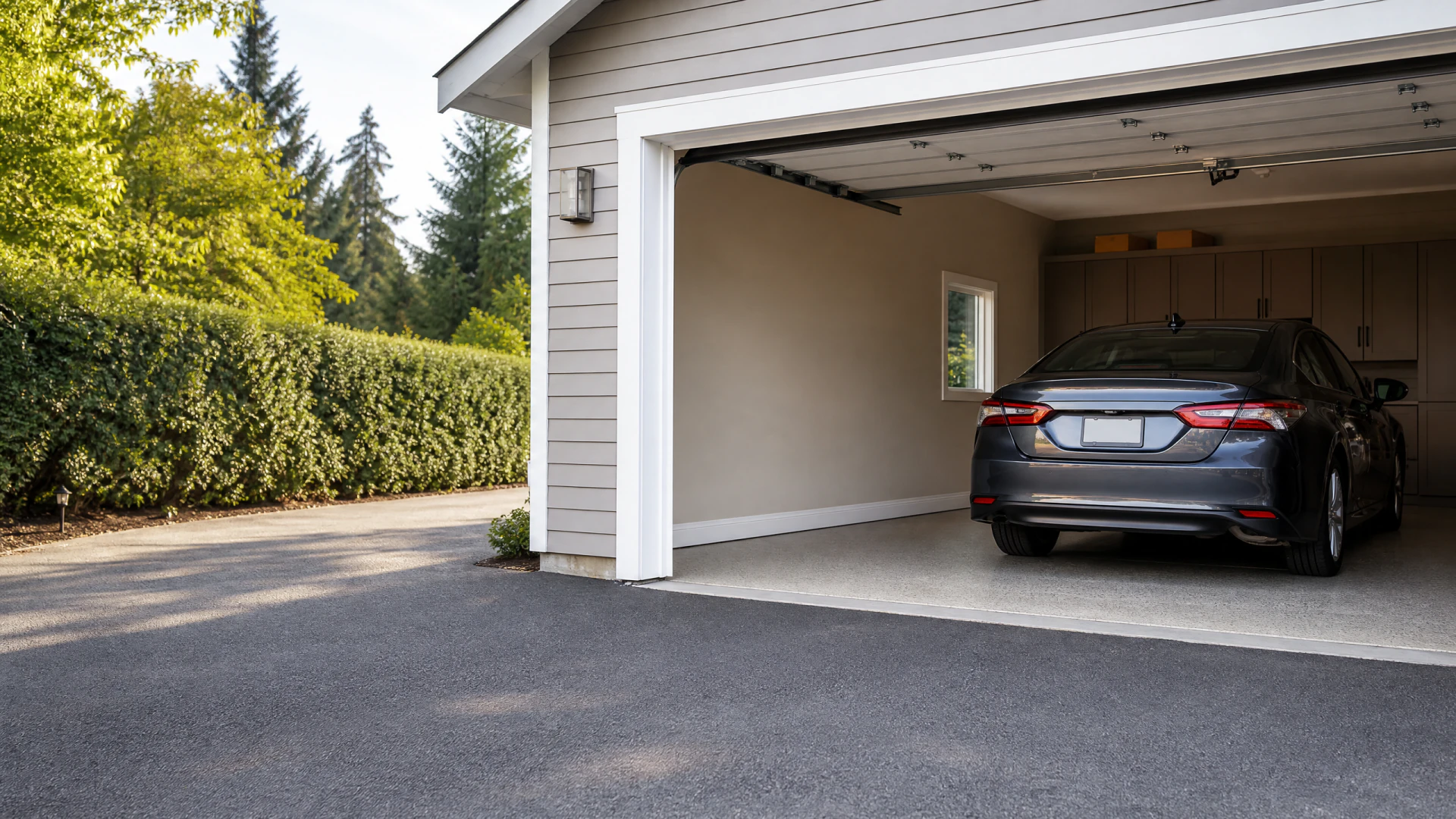
- Who drives during leave If one parent is home on leave, that parent's car may sit mostly unused while the other does all the driving. Ask your insurer about reduced usage or storage coverage for the parked car.
- Car seat logistics Switching a car seat between two cars every day is tedious and risks improper installation. If you keep one car, budget for a second seat and base so you're not moving it at all.
- Resale and timing costs Selling a car right after a baby arrives, when you're exhausted and need cash, usually means a worse price. Decide and act before the birth if you're going down to one car.
A family decides whether to sell the second car
A couple expecting their second child was down to one income during the parent's leave. They had two older cars, both paid off, and wondered if keeping both still made sense once only one parent was driving regularly. They called their insurer first to ask what a reduced-mileage or stored-vehicle designation would save on the second car, since it would sit most days, rather than selling right away.
The insurer offered a meaningful discount for low annual mileage on that car, since it was barely being driven. They kept both cars through the leave period, using the second car only for errands and backup when the primary car needed service. Once the parent went back to work and both adults were driving daily again, they kept both cars rather than selling, since the discount had already made holding onto it cheaper than they expected and they valued the backup during an already stressful stretch.
The real question isn't which car to keep, it's whether losing one car would also cost you income.
Once you know whether you're keeping one car or two, compare quotes for that exact setup to see the real cost.
Will dropping to one car actually save enough to matter?
Usually yes, but the savings are more than just the second premium. You also cut fuel, maintenance, registration, and the slow costs of keeping an aging second car running. For many families the insurance savings alone are modest, especially with multi-car discounts already in place, but the full picture across all those costs often adds up to something real.
The savings matter less than whether losing the second car creates risk you can't absorb. If one parent's job requires a reliable commute with no backup and no public transit option, the savings from dropping a car can be erased the first time the remaining car breaks down and someone misses work. Run the math on total cost, but weigh it against how exposed you'd be with no backup vehicle.

Keeping the second car versus selling it now
If you do
You keep flexibility during an unpredictable stretch, a backup if the main car breaks down, and no scramble to buy a replacement later. You pay a second premium and upkeep, but many insurers discount low-mileage cars that sit unused during leave, softening the cost.
If you don't
You simplify to one insurance bill, one set of maintenance costs, and no car sitting idle. But you have zero backup if that car needs repairs or is in an accident, and buying a replacement later, during a busier and more expensive season, often costs more than keeping the car would have.
Can I put my car in storage status to save money while one parent is on leave?
Yes, many insurers offer a reduced coverage or low-mileage designation for a car that's parked most of the time. This usually lowers your premium while keeping some protection against theft or damage, but check whether it still covers the car if someone drives it occasionally. Ask your insurer exactly what driving is still allowed under that status, since violating it can affect a claim.
Does adding a baby to my policy change my car insurance rate?
A baby doesn't go on your car insurance policy and doesn't directly change your rate. What can matter is if you add a new or bigger car, change mileage patterns, or adjust coverage limits because you now want more protection for passengers. Call your insurer when your driving habits or vehicles change, not because of the baby itself.
Should I raise my liability limits now that I have a child depending on me?
Many parents do raise limits at this stage, since a serious accident could threaten more of the household's future income and assets than before. Check what your state requires as a minimum, then think about what you'd need to protect your savings or future wages in a worst case. This is worth discussing with your insurer alongside any decision about one car or two.