Should You Sell Your Second Car After a Baby
Sell the second car only if its yearly cost outweighs what you actually need it for, not just because money feels tighter now.
Free to compare
Weigh these before you let the second car go
- Real cost of keeping it Add insurance, fuel, maintenance and parking together for a true yearly figure. Compare that honestly against what you'd save, not just the insurance premium.
- Two incomes becoming one If someone is on leave or cutting hours, a second car may be a backup you need, not a luxury. Price out rideshares or transit before assuming you can live without it.
- Appointments and errands Newborns mean frequent pediatrician visits, often on short notice. A second car gives flexibility that's hard to measure in dollars but easy to miss once it's gone.
- Resale timing matters Car values shift with seasons and demand, so selling in a rush right after the birth may not get you the best price. Plan the sale a few weeks out if you can.
- Your policy may change anyway Dropping a car changes your multi-car discount and household structure on the policy. Ask your insurer what the single-car premium looks like before you decide.
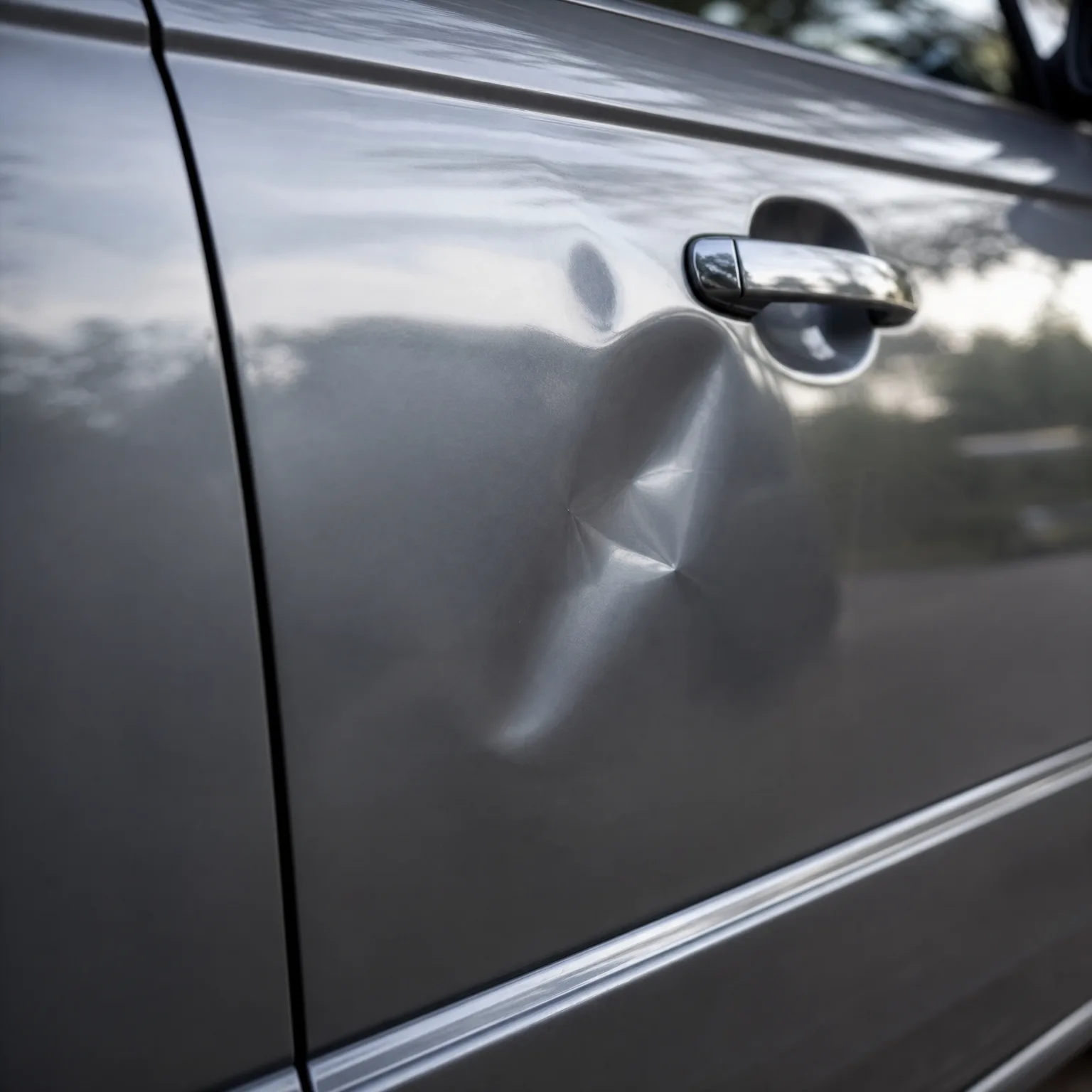
One family's choice when the second car sat unused
A couple expecting their second child found their older sedan sitting in the driveway more often than not. One parent had switched to remote work, and the commute that once justified the car was gone. They ran the numbers, insurance, a loan payment, and upkeep, against what they'd spend occasionally renting a car or taking rideshares for the rare days they needed a second vehicle.
They decided to sell, but waited until after the baby arrived and their schedule settled, rather than rushing the sale during the last weeks of pregnancy. That gave them a clearer sense of which errands actually required a second car and which didn't. Once they sold, they called their insurer to adjust the policy, lost the multi-car discount but still came out ahead overall, and kept a small cushion from the sale for the unpredictable first months.

Once you know whether a second car still earns its keep, compare quotes for the policy that fits your new household.

Selling the second car versus keeping it
If you do
You cut insurance, fuel and upkeep costs right when a new budget matters most. You'll need a plan for appointments, errands and emergencies without backup wheels. Call your insurer to adjust the policy and ask what the single-car rate becomes before you finalize the sale.
If you don't
You keep flexibility for pediatrician visits, errands and any unexpected need to be in two places at once. You'll keep paying for insurance, upkeep and depreciation on a car that may sit idle more than before. Revisit the decision again once your routine with the baby settles.
What if we need a car again after selling it?
Buying back into car ownership later is entirely possible, and plenty of parents do it once routines settle or a second income resumes. You'll pay market price for a replacement vehicle and rebuild whatever multi-car discount you had, so the math isn't identical to simply reversing the sale.
If you expect your situation to change again soon, such as returning to an office job or adding a longer commute, it may be worth renting or borrowing a car for a few months instead of selling outright. That keeps your options open without the cost of owning a car you're not using. Ask your insurer about short-term or pay-per-mile coverage if you want a middle path between keeping and selling.
The question isn't what a baby costs, it's whether a car you already own is still earning its keep.